Hanoi University of Industry expands academic portfolio to drive strategic technology and global education
Hanoi University of Industry has announced a major expansion of its educational offerings for the 2026 to 2027 academic year. HaUI will enroll students across 72 full time undergraduate programs, prominently featuring five new majors in cutting edge technology sectors and 15 programs taught entirely in English.
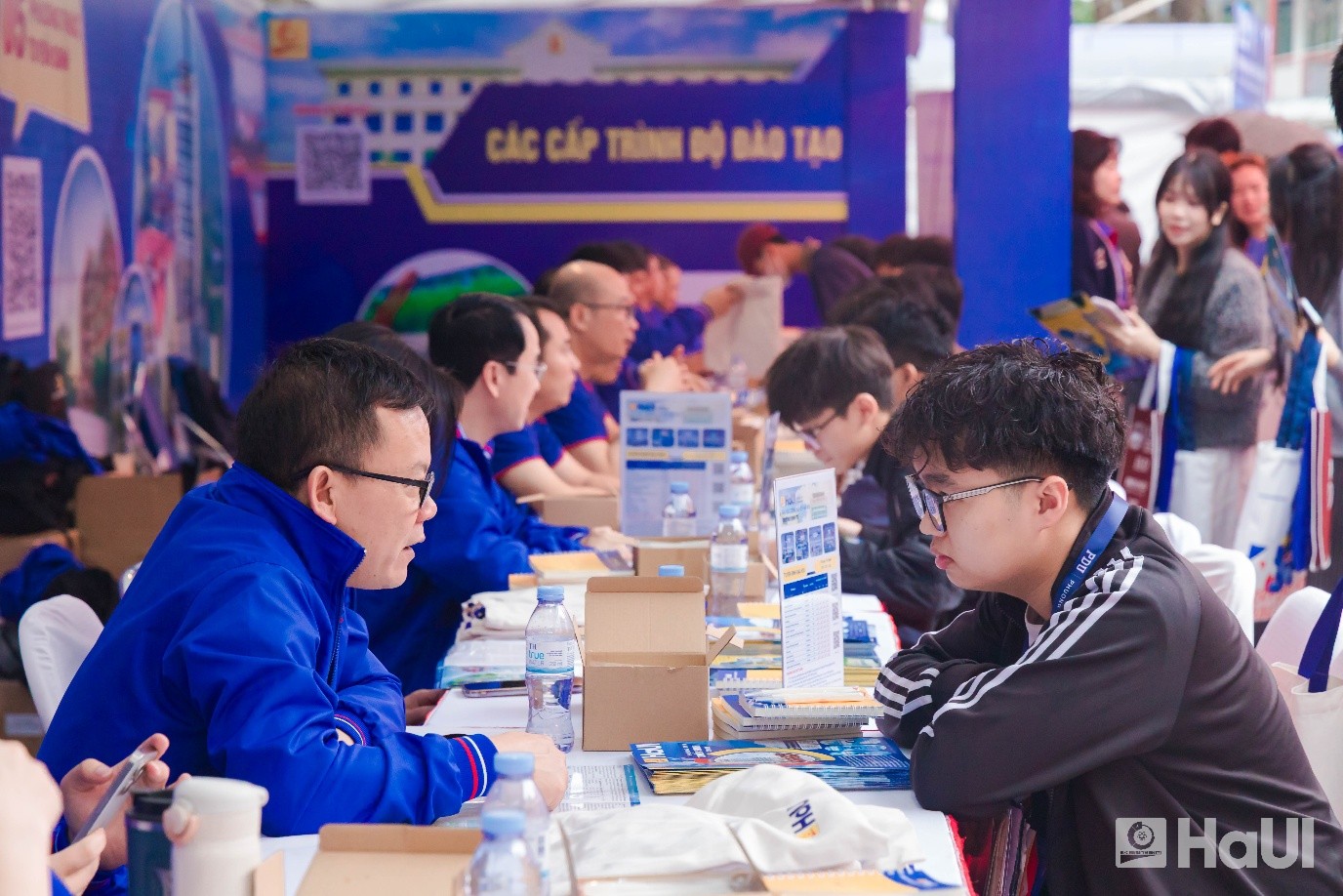
Pioneering the Sectors of the Future
The industrial revolution and digital transformation are rapidly accelerating the growth of high tech industries. Artificial intelligence, semiconductor manufacturing, advanced materials, and biotechnology are steadily becoming the core foundation of the modern economy. Recognizing this macroeconomic trend, HaUI has aligned its academic development with key areas in the national science, technology, and industrial strategy.
In 2026, the university is officially launching five new majors: Biotechnology, Artificial Intelligence, Semiconductor Microchips, Materials Technology, and Automotive and New Energy Engineering. These are all fields experiencing a massive demand for human resources, poised to play a pivotal role in the advancement of high tech industries in the coming period.
The curricula are designed with a modern approach that emphasizes practical training, applied research, and corporate partnerships. As a result, students gain early access to emerging technologies, progressively developing their practical skills, technological mindset, and adaptability to modern manufacturing environments.
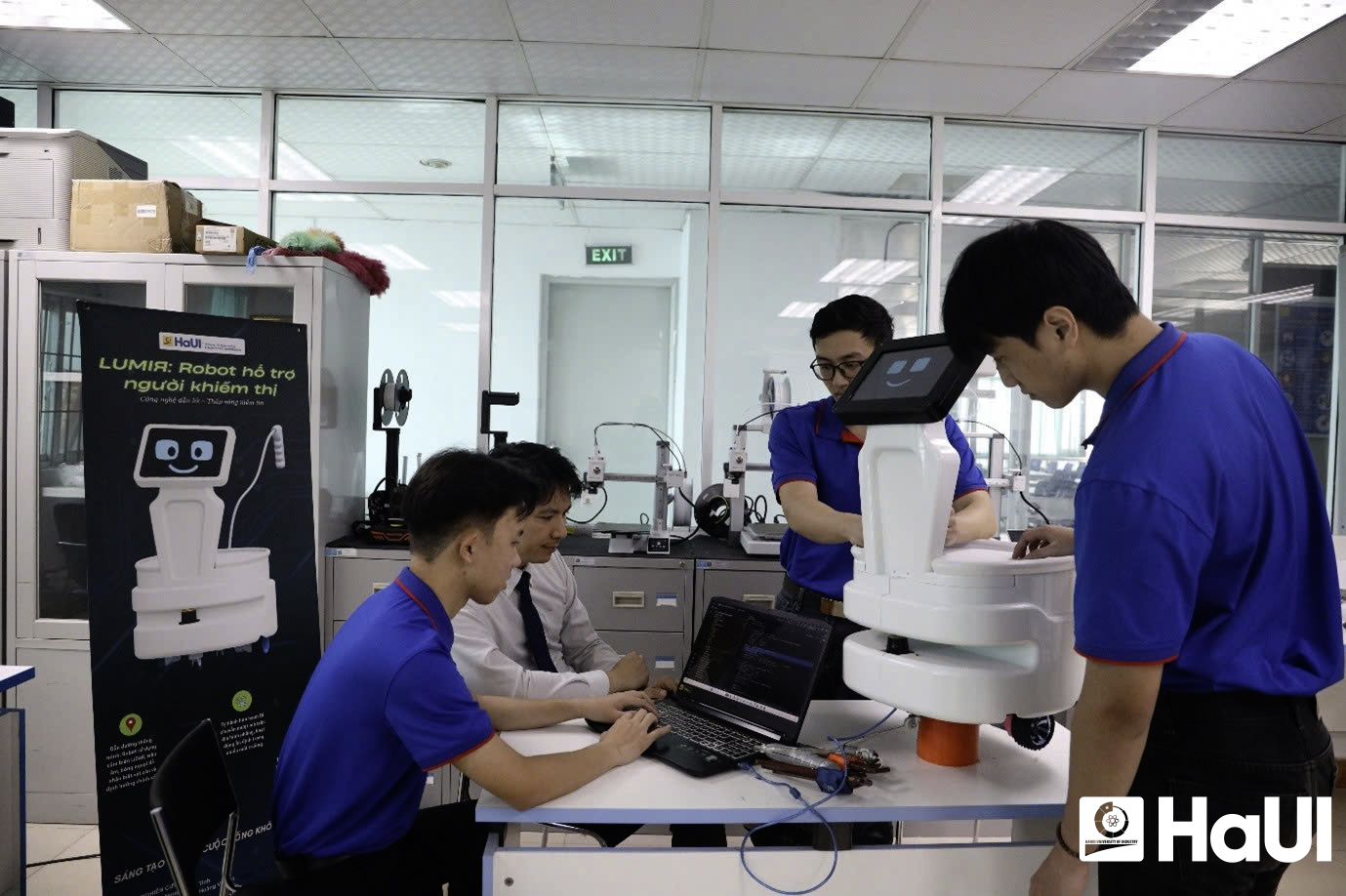 The curriculum is designed with a modern approach, emphasizing hands-on practice, applied research, and strong connections with industry. As a result, students have early access to emerging technologies, gradually developing practical skills, technological thinking, and the ability to adapt to modern production environments.
A Multidisciplinary System Built on an Engineering and Technology Foundation
With 72 majors and academic programs, Hanoi University of Industry has cultivated an expansive educational ecosystem spanning engineering, technology, economics, management, languages, tourism, and services. These diverse disciplines are established on a robust engineering and technology foundation, closely linked to the demands of industrial production and the evolution of the modern economy.
Stemming from its legacy as the first engineering school in Vietnam, the academic programs are developed by integrating core technical principles with modern technology. This creates a unique academic ecosystem deeply connected to industrial production and innovation. A spirit of creativity and a thirst for knowledge are nurtured throughout the learning process, empowering students to proactively engage with new technologies and hone their complex problem solving skills.
The programs are structured to prioritize practical application, applied research, and enterprise collaboration. This strategic approach equips students with a solid professional foundation while fostering career competencies and the ability to adapt seamlessly to contemporary industrial settings.
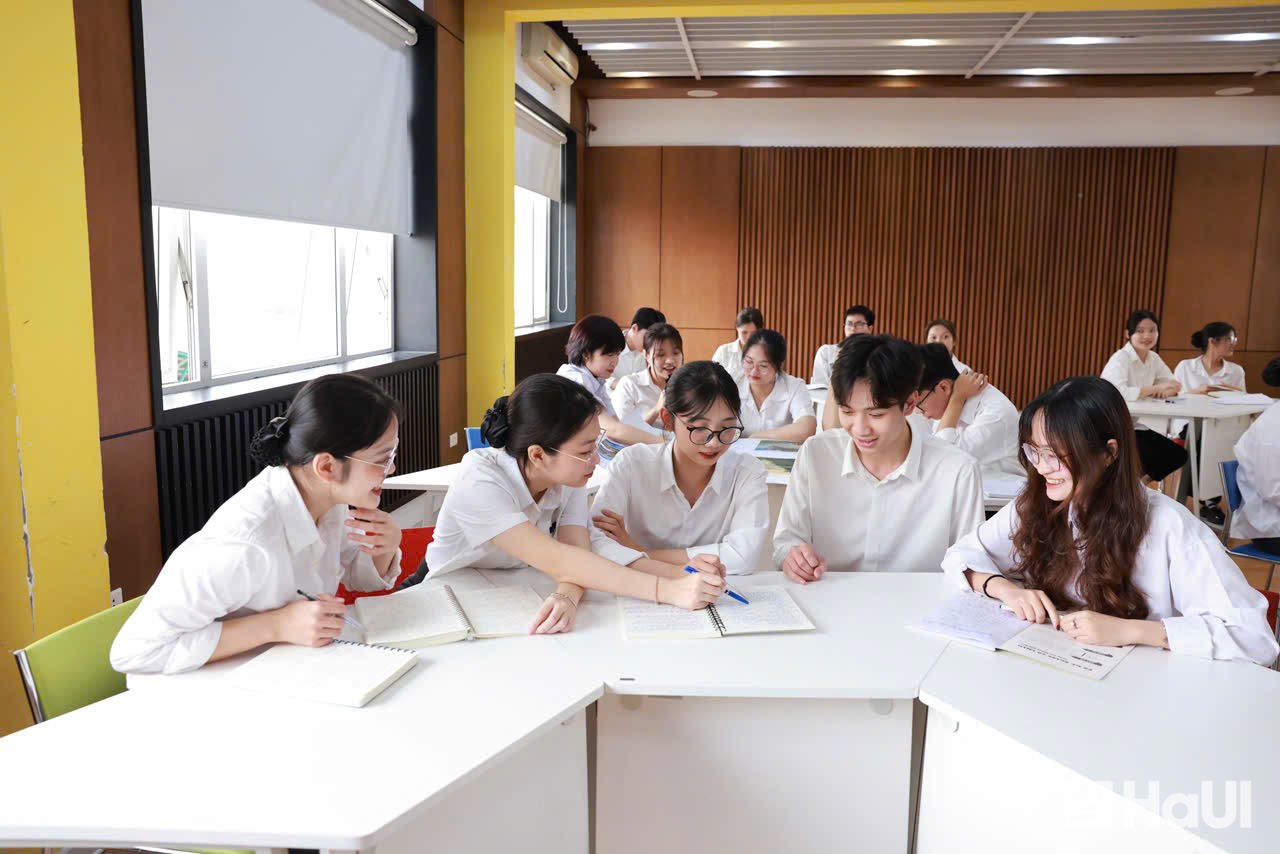
Driving the Internationalization of Education Alongside expanding its academic offerings, Hanoi University of Industry is accelerating its educational internationalization strategy to enhance training quality and broaden the learning environment to meet rigorous global standards.
This year, HaUI is implementing 15 English taught programs across various disciplines. The economics sector includes Business Administration, Marketing, Finance and Banking, and Accounting. The engineering and technology sector encompasses Computer Science, Information Technology, Mechanical Engineering Technology, Mechatronics Engineering Technology, Automotive Engineering Technology, Electrical and Electronic Engineering Technology, and Electronics and Telecommunication Engineering Technology. Furthermore, the service and tourism sector features Tourism, Tourism and Travel Management, Hotel Management, alongside Restaurant and Food Service Management.
These English taught programs are meticulously designed according to international standards, with course structures, learning materials, and teaching methodologies closely aligning with advanced global curricula. Students are instructed entirely in English, gain direct access to international academic resources, and are guided by a highly qualified and experienced faculty. This cultivates their English proficiency in both academic and professional contexts, serving as a vital foundation for students to access global knowledge and successfully navigate the international labor market.
Notably, HaUI currently boasts five programs that have achieved the prestigious ABET accreditation. These include Computer Science, Mechanical Engineering Technology, Automotive Engineering Technology, Electrical and Electronic Engineering Technology, and Electronics and Telecommunication Engineering Technology. ABET stands as a world leading accreditation system in engineering and technology, featuring rigorous standards for curricula, learning outcomes, faculty competence, and quality assurance systems.
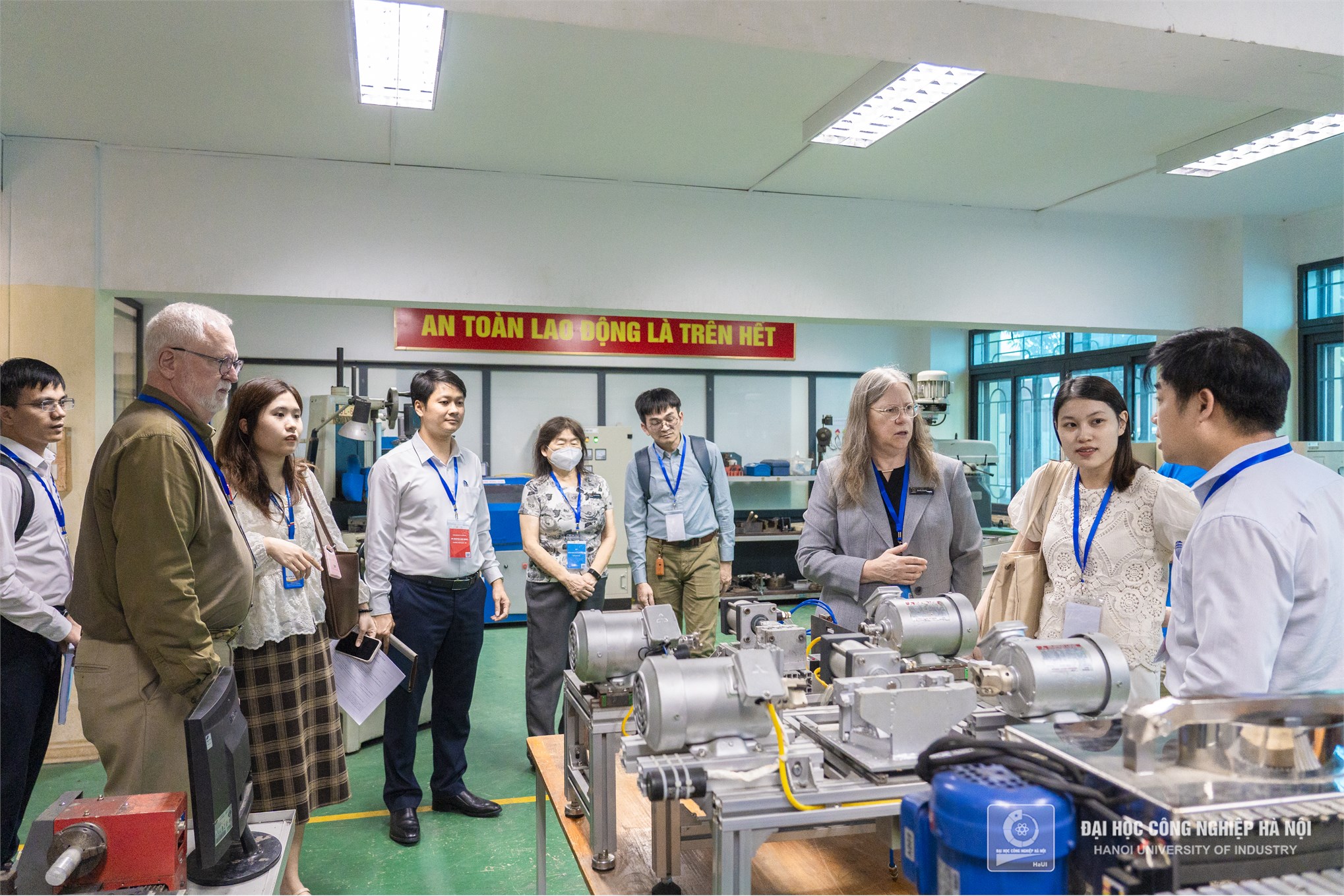
HaUI currently has five programs accredited by ABET, including Computer Science, Mechanical Engineering Technology, Automotive Engineering Technology, Electrical and Electronic Engineering Technology, and Electronics and Telecommunications Engineering Technology. ABET is one of the world’s most prestigious accreditation systems in engineering and technology, with rigorous standards for curricula, learning outcomes, faculty qualifications, and quality assurance systems.
Programs meeting ABET standards demonstrate that the engineering education at HaUI is built upon strict international benchmarks, from course content and teaching methods to comprehensive student assessment. Students enrolled in ABET accredited programs are trained under a modern engineering model that heavily emphasizes design, analysis, and practical problem solving skills. Degrees from these accredited programs are highly regarded by global technology enterprises and international organizations, providing graduates with a distinct advantage when applying to multinational engineering corporations or pursuing higher education abroad.
Educational Orientation Within the Hanoi University of Industry Model
The expansion of academic disciplines occurs as the institution enters a dynamic new developmental phase, transitioning to the comprehensive Hanoi University of Industry model. This strategic shift fosters interdisciplinary collaboration and strengthens the vital connection between science and technology, industrial production, and related economic and service sectors.
Within this overarching vision, educational quality remains the central focus at HaUI. The curricula are closely aligned with the immediate needs of enterprises and the labor market while continuously integrating scientific and technical advancements into teaching and research methodologies. A graduate employment rate exceeding 95 percent clearly demonstrates the effectiveness of this practical model and reflects the exceptional professional competence and adaptability of HaUI students in modern work environments.

Underpinned by substantial investments across its academic curricula, faculty advancement, and state of the art infrastructure, Hanoi University of Industry continuously fortifies its standing as a preeminent institution of higher education. The University remains steadfast in its commitment to providing prospective scholars with an intellectually rigorous and innovative academic ecosystem, thereby cultivating exceptional pathways for professional achievement within the forthcoming industrial and technological landscapes.