Outstanding students from a National Strategy: The story of Semiconductor training at HaUI
The remarkable achievements of Ngo Xuan Van, a newly graduated valedictorian in Electronics and Telecommunications Engineering from Hanoi University of Industry (HaUI), stand as a vivid testament to the quality of education and scientific research at an institution with a proud 127-year history.
With a GPA of 3.69/4.0 and four academic merit scholarships over six semesters, Van has demonstrated not only outstanding academic performance but also an enduring passion for research. Since his second year, the young Party member has pursued scientific inquiry with determination, winning First Prize in the Student Research Competition in both 2023 and 2024, and Second Prize in 2025.
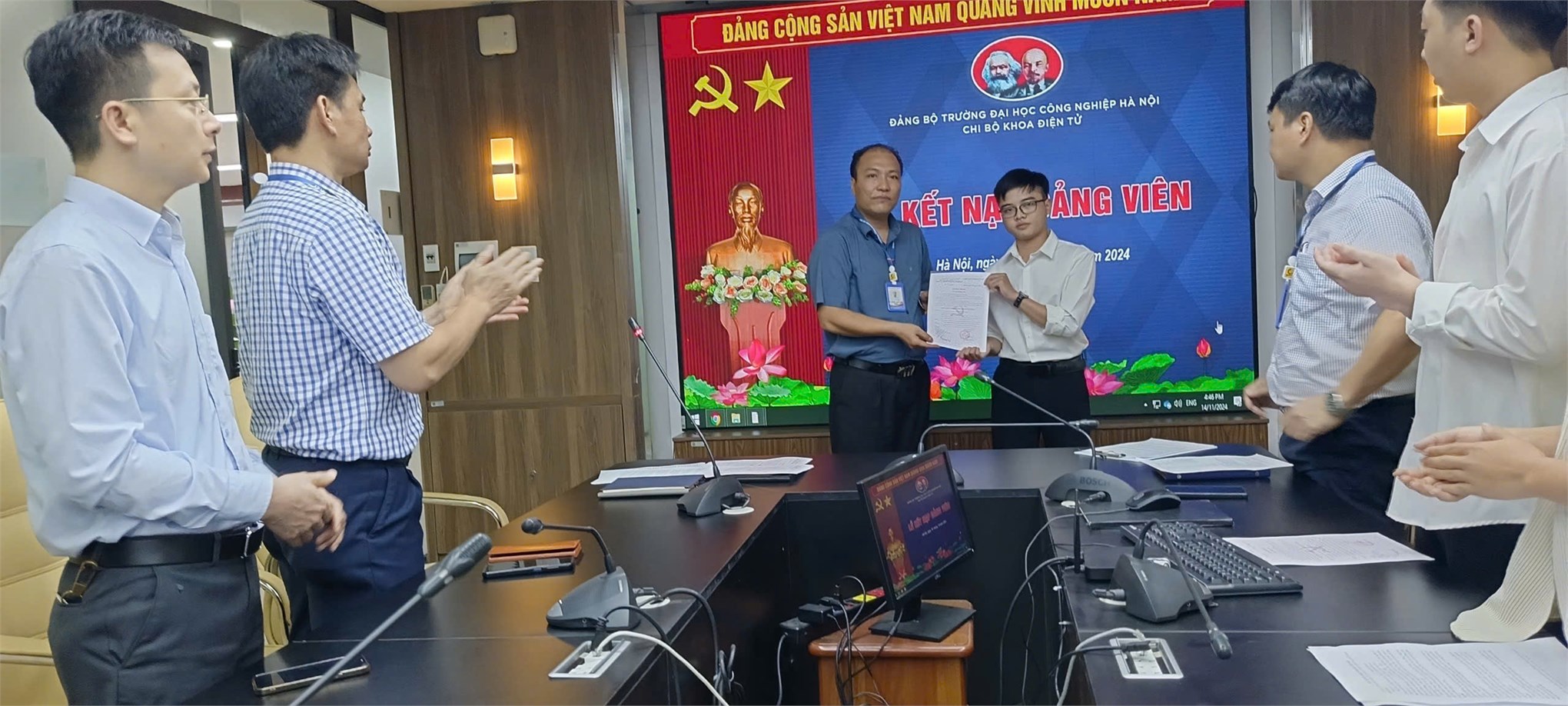
With a GPA of 3.69/4.0 and four academic merit scholarships over six semesters, Ngo Xuan Van has demonstrated not only outstanding academic performance but also an enduring passion for research
His 2025 award-winning project, titled “Design of a High-Input-Impedance, Low-Noise Chopper Amplifier”, showcased his ability to translate theoretical knowledge into practical innovation. Under the guidance of Lecturer Tran Xuan Phuong, the research focused on designing a specialized integrated amplifier capable of detecting ultra-small biomedical signals such as electrocardiograms (ECG) and electroencephalograms (EEG). These signals are notoriously prone to distortion, especially when using dry electrodes with high contact impedance.
To address this challenge, the project set ambitious technical goals: implementation in CMOS 180nm technology, power consumption below 3 µW, and input impedance greater than 500 MΩ. The research team successfully applied a Capacitively Coupled Chopper Instrumentation Amplifier (CCIA) architecture in combination with advanced feedback loops (TCL and DSL) to enhance input impedance while effectively eliminating noise and offset voltages. The results were striking: the circuit consumed only 2.07 µW of power with a layout area as small as 0.073 mm², making it highly suitable for portable biomedical devices, personal health monitoring systems, and brain-computer interfaces.
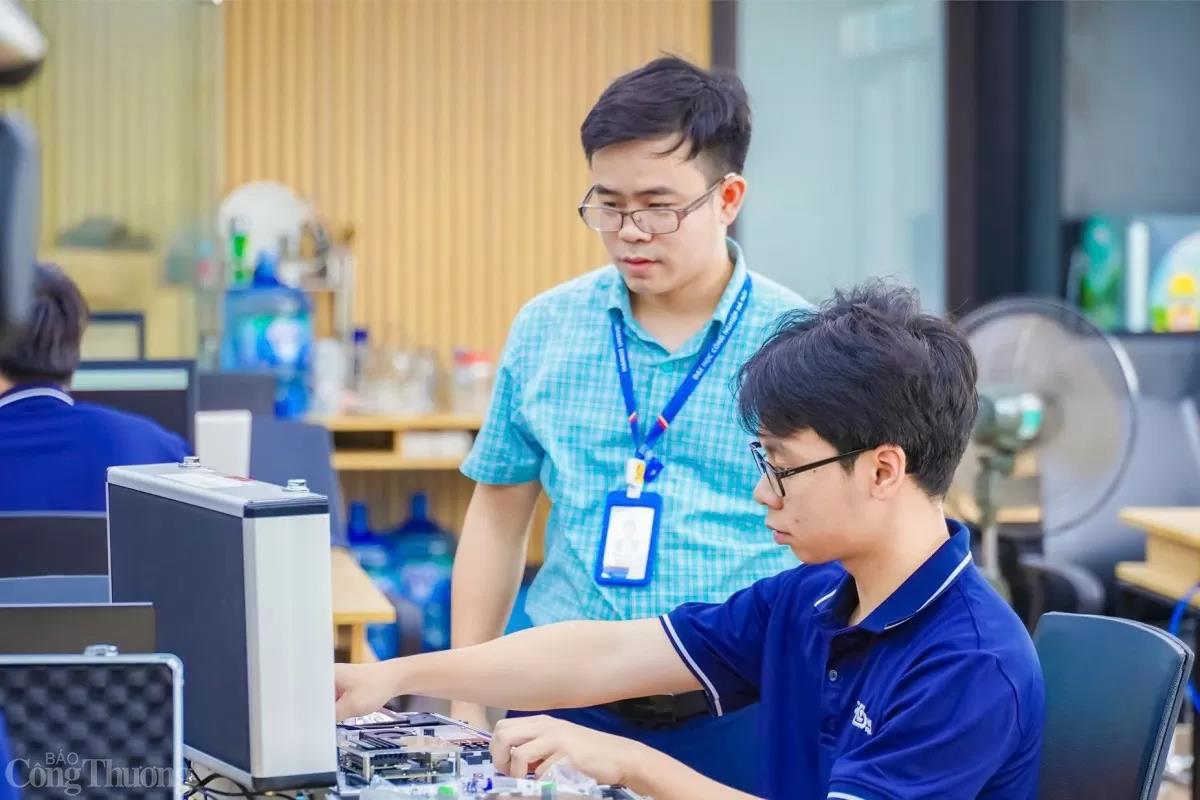
Behind Van’s success lies the crucial role of mentorship. His academic path took a decisive turn when he encountered Dr. Pham Xuan Thanh, Deputy Director of the Center for Development Cooperation at the School of Electrical and Electronic Engineering, HaUI. With his expertise and inspirational guidance, Dr. Thanh introduced Van to the world of integrated circuit (IC) design - one of the core technologies of the 21st century. This mentorship not only provided technical knowledge but also instilled in Van the aspiration to contribute to one of the most strategically important industries of the modern era.
Van’s accomplishments reflect more than individual talent; they embody the foresight and systematic training strategy of HaUI’s School of Electrical and Electronic Engineering in the field of semiconductor design. Since 2022, specialized IC design modules have been integrated into existing programs such as Electronics and Telecommunications Engineering and Biomedical Electronics Engineering. In 2024, the school officially launched a specialized engineering program focusing on IC design and testing, marking a decisive step toward addressing the urgent demand for semiconductor talent in Vietnam.
As Vietnam positions itself within the global semiconductor supply chain, stories like that of Ngo Xuan Van highlight not only personal excellence but also the strategic vision of HaUI in nurturing a new generation of engineers capable of driving innovation in one of the most critical industries of the 21st century.
-
Wednesday, 11:11 13/08/2025
Related news
Hot News
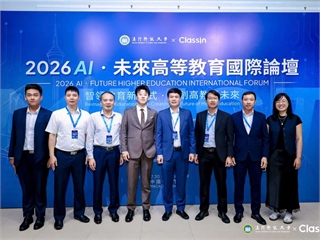
HaUI expands partnerships in Education, Research and Digital Transformation in China
Chủ Nhật, 09:09 02/08/2026
Related news
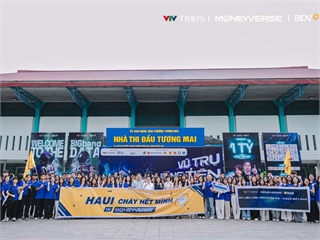
HaUI students advances to quarterfinals of national finance competition “The Moneyverse"
Thứ Ba, 10:24 12/05/2026
Two HaUI teams earn top awards at "Cultural colors of Vietnam - Japan" competition
Thứ Năm, 08:20 07/05/2026
HaUI students shine with First Prize at the 2026 “Chinese Talent” competition
Chủ Nhật, 10:01 19/04/2026
Driven by curiosity: How Nguyen Phi Hoai Nam turned a childhood question into Academic Excellence
Thứ Sáu, 13:31 01/08/2025
Quiet Strength, Big Dreams: How Thieu Thi Ngoc Diep turned Persistence into Success
Thứ Tư, 15:08 23/07/2025
HaUI students win “Impressive Design” Award at MECA 2025 with innovative AIoT smart factory model
Thứ Ba, 18:36 15/07/2025