Hanoi University of Industry sets strategic directions for education, science, and innovation towards 2035
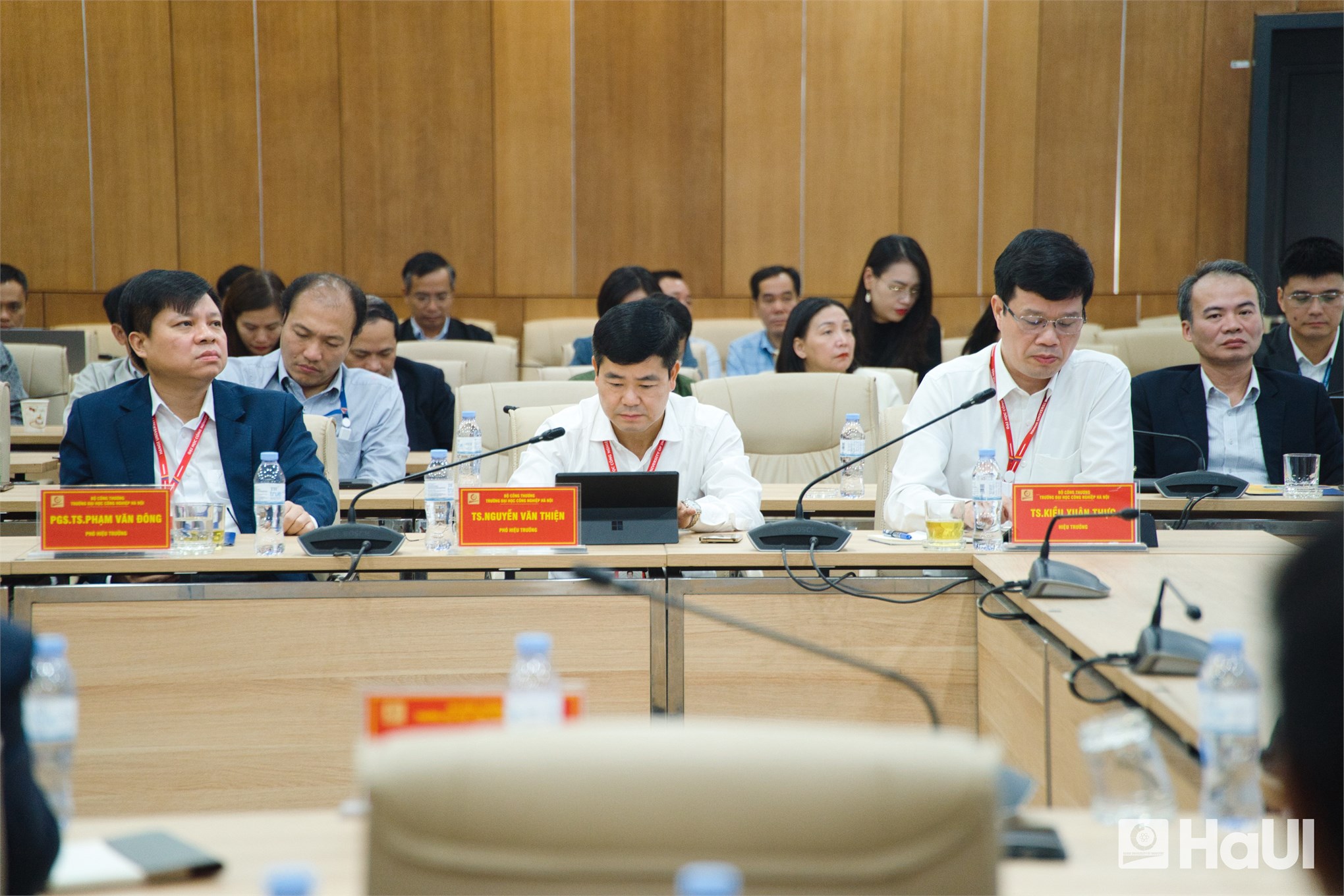
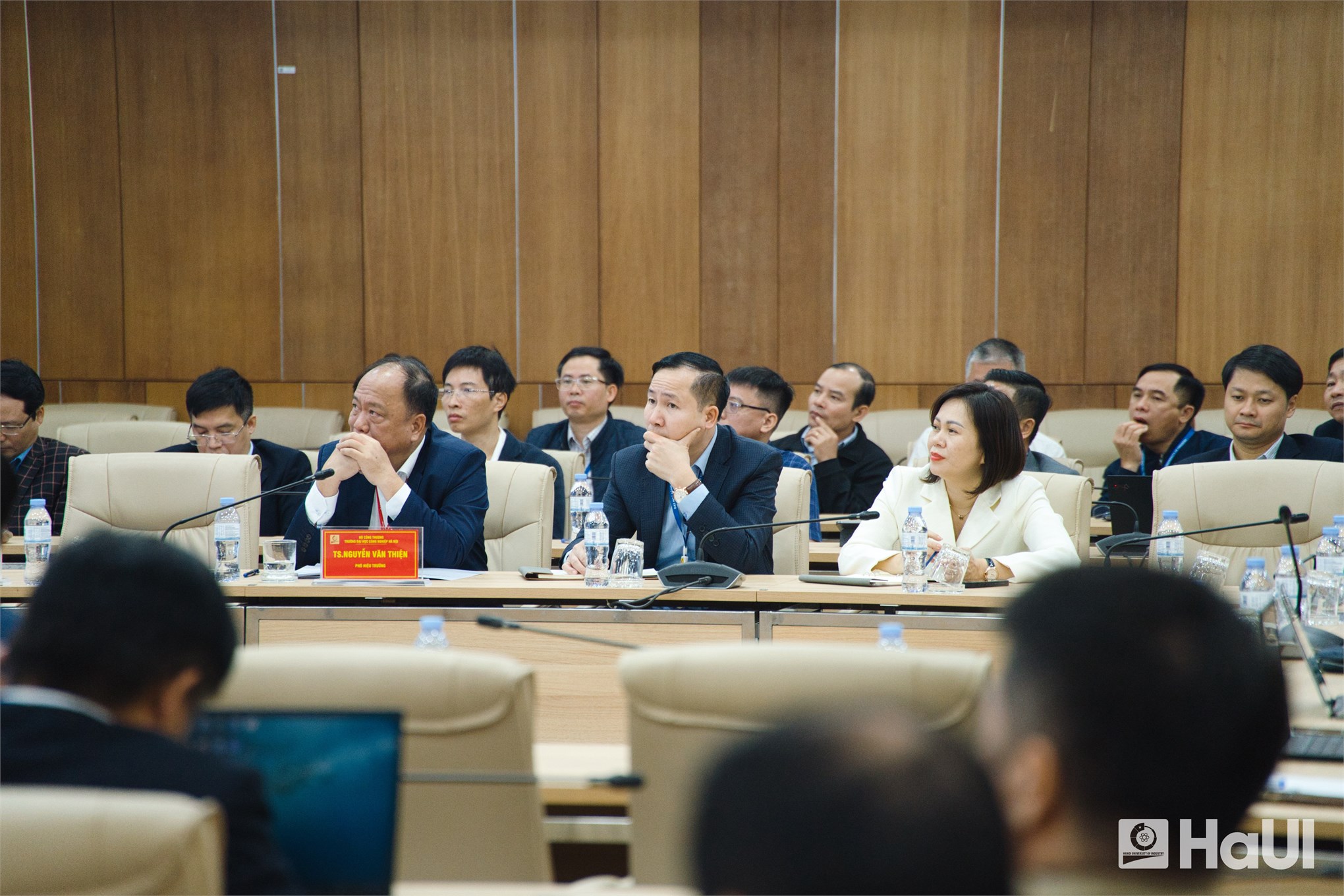
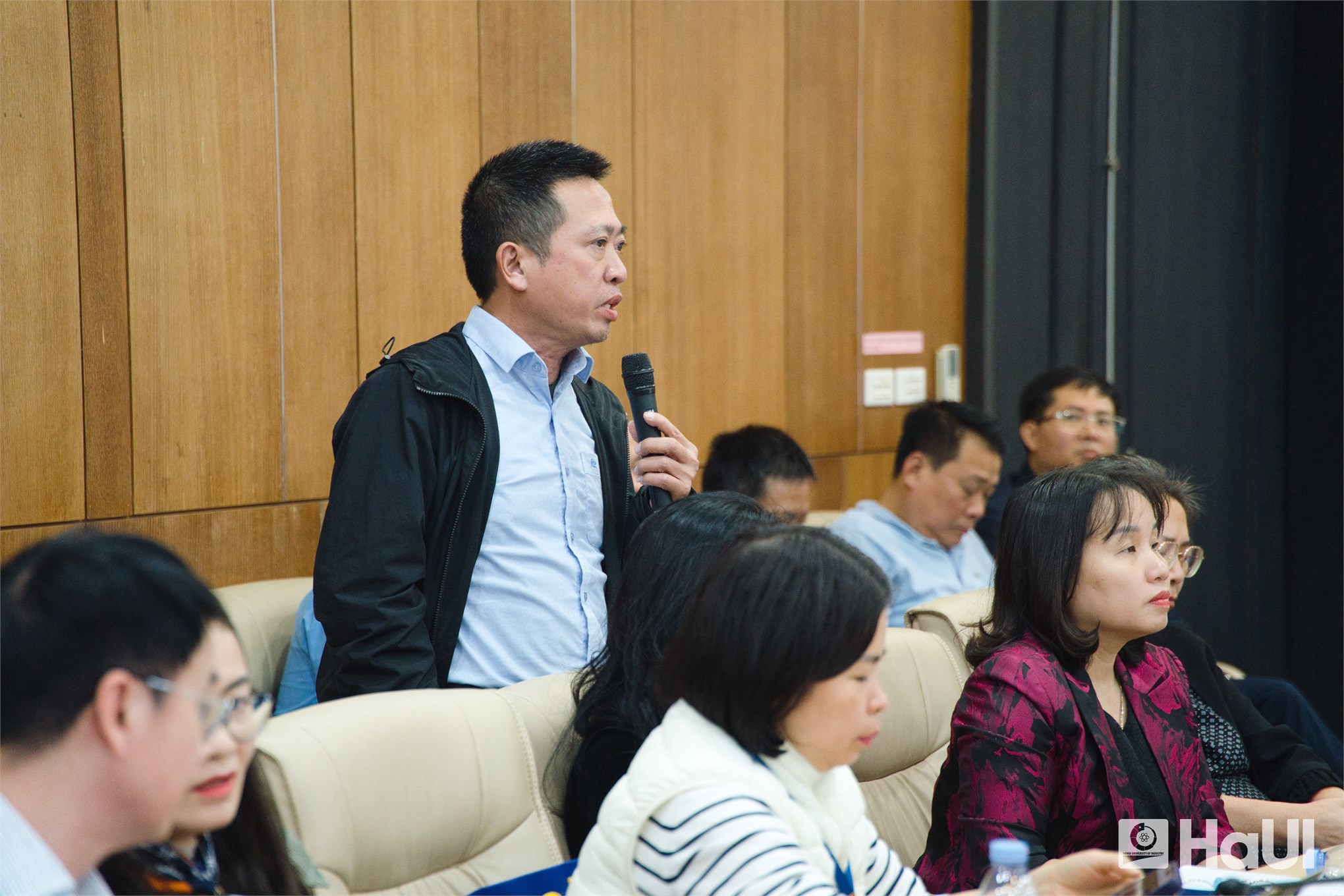
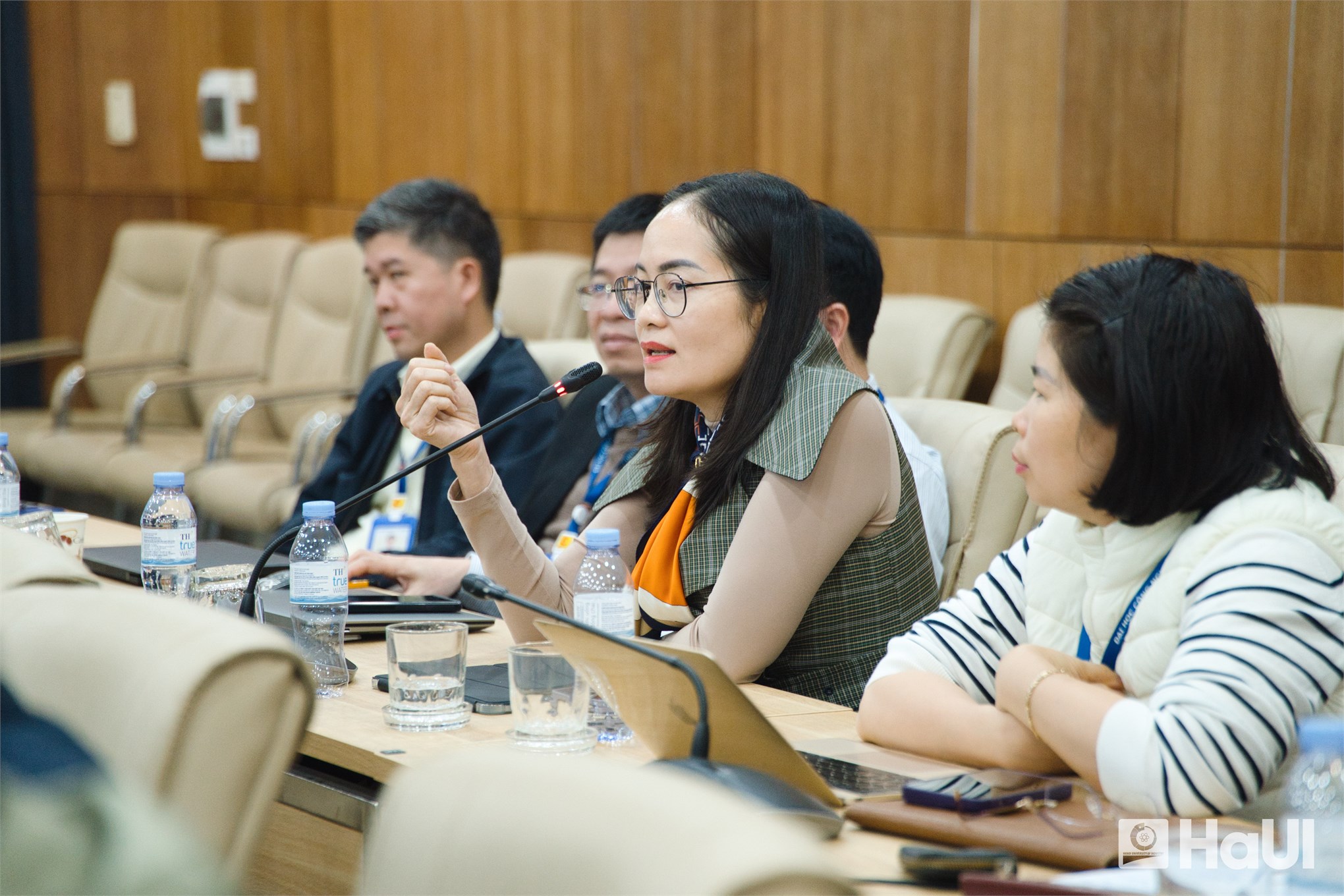
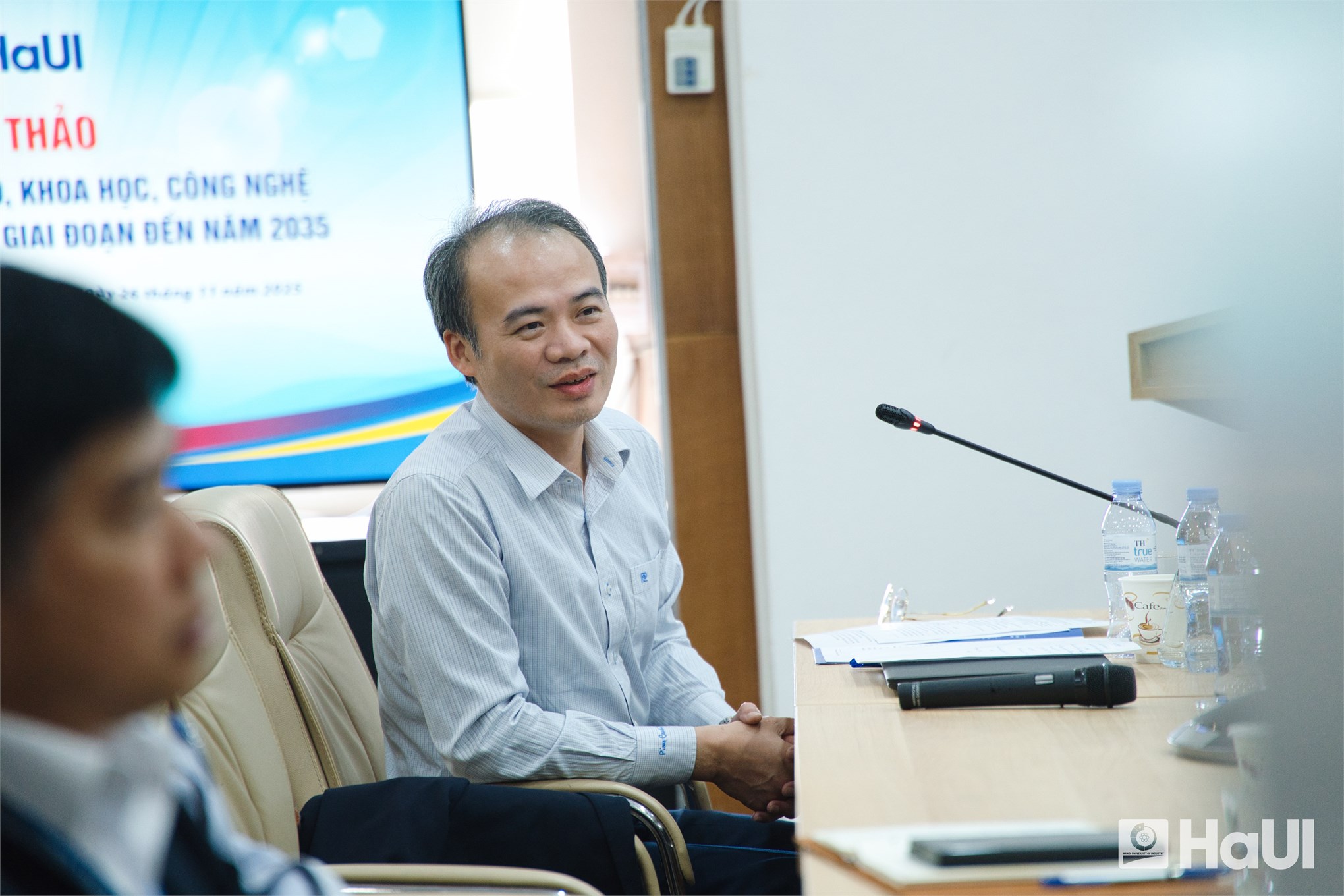
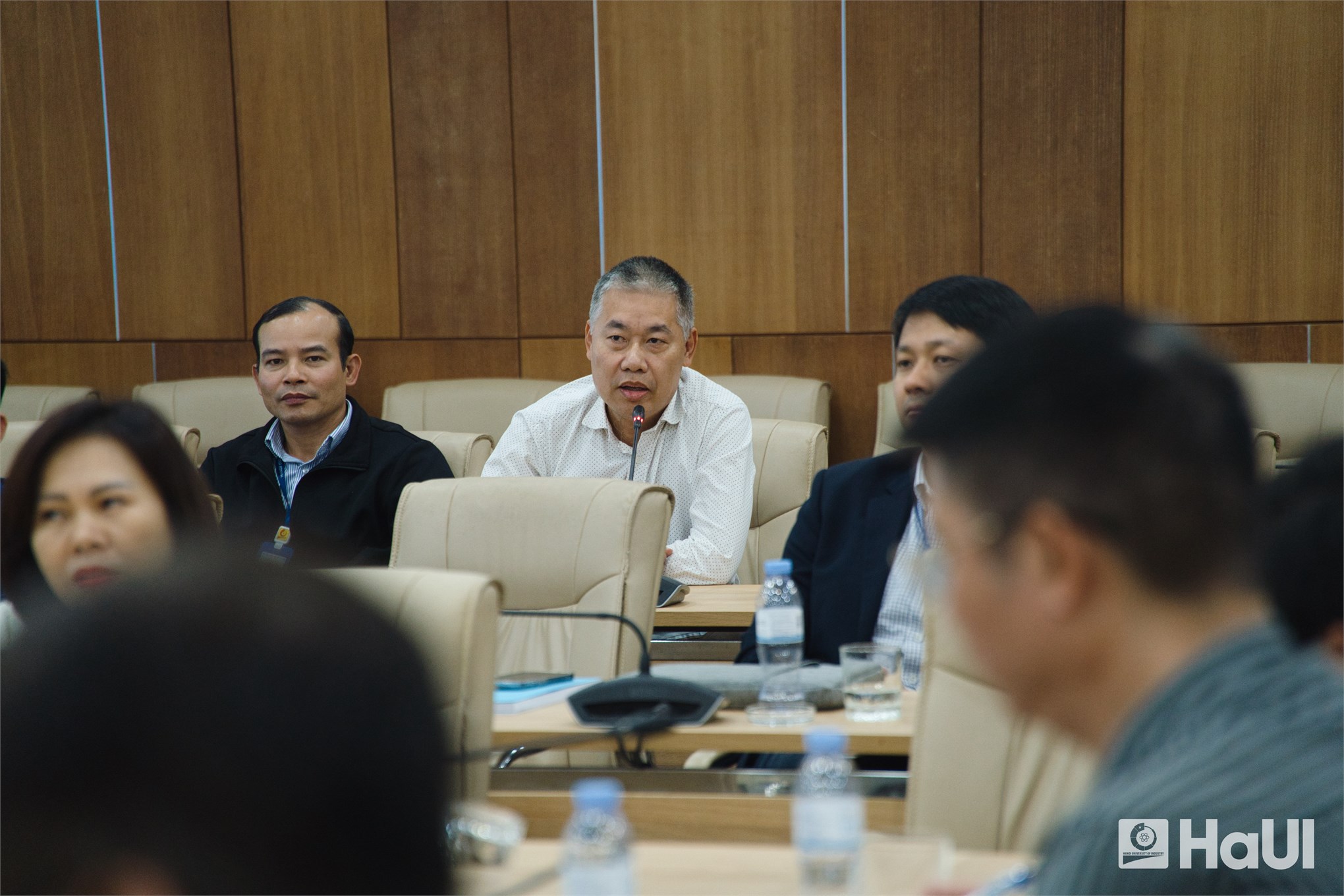
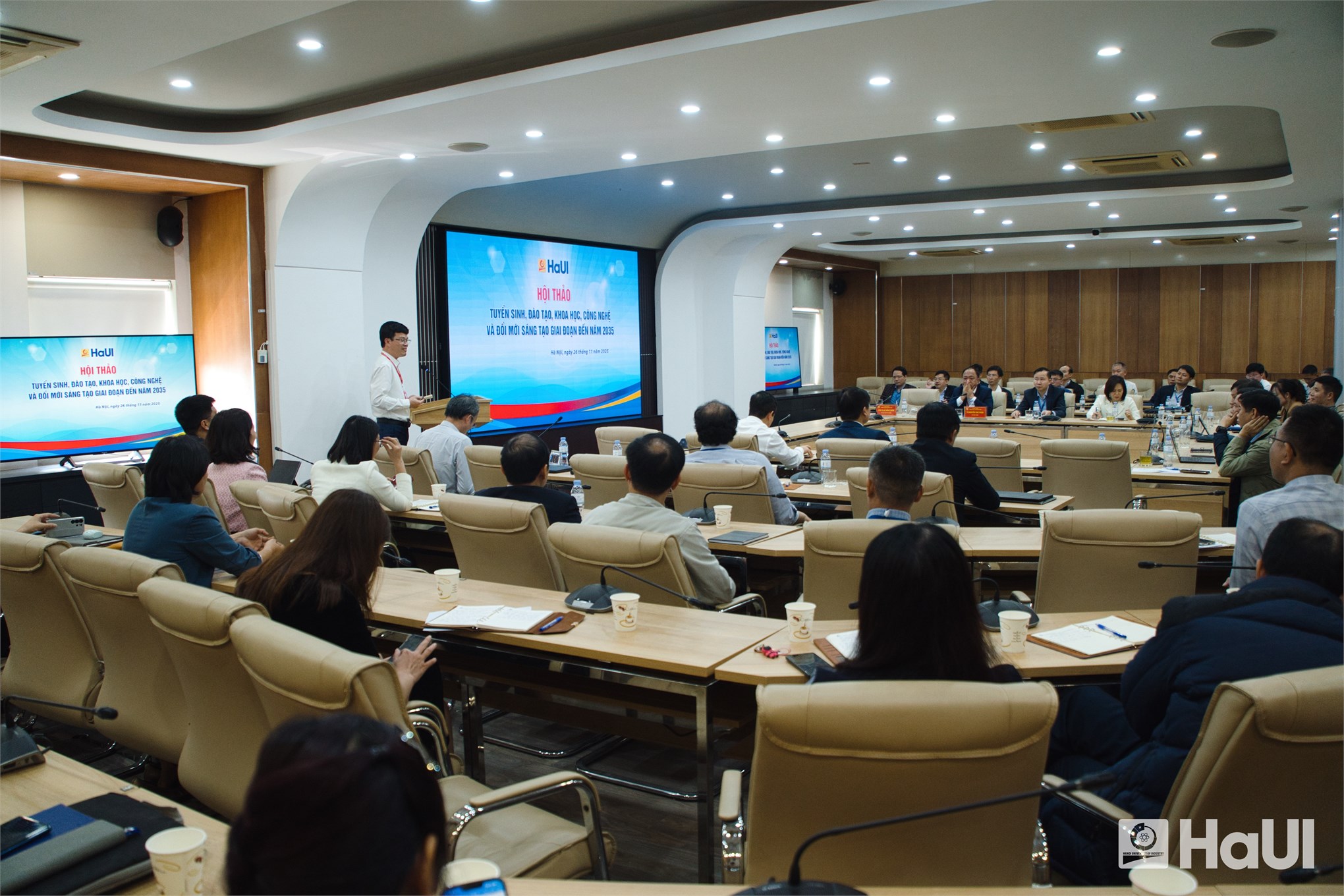
In the context of global higher education undergoing fundamental shifts in roles and missions, on the morning of November 26, Hanoi University of Industry (HaUI) organized the seminar “Admissions, Education, Science & Technology, and Innovation for the 2035 horizon.”
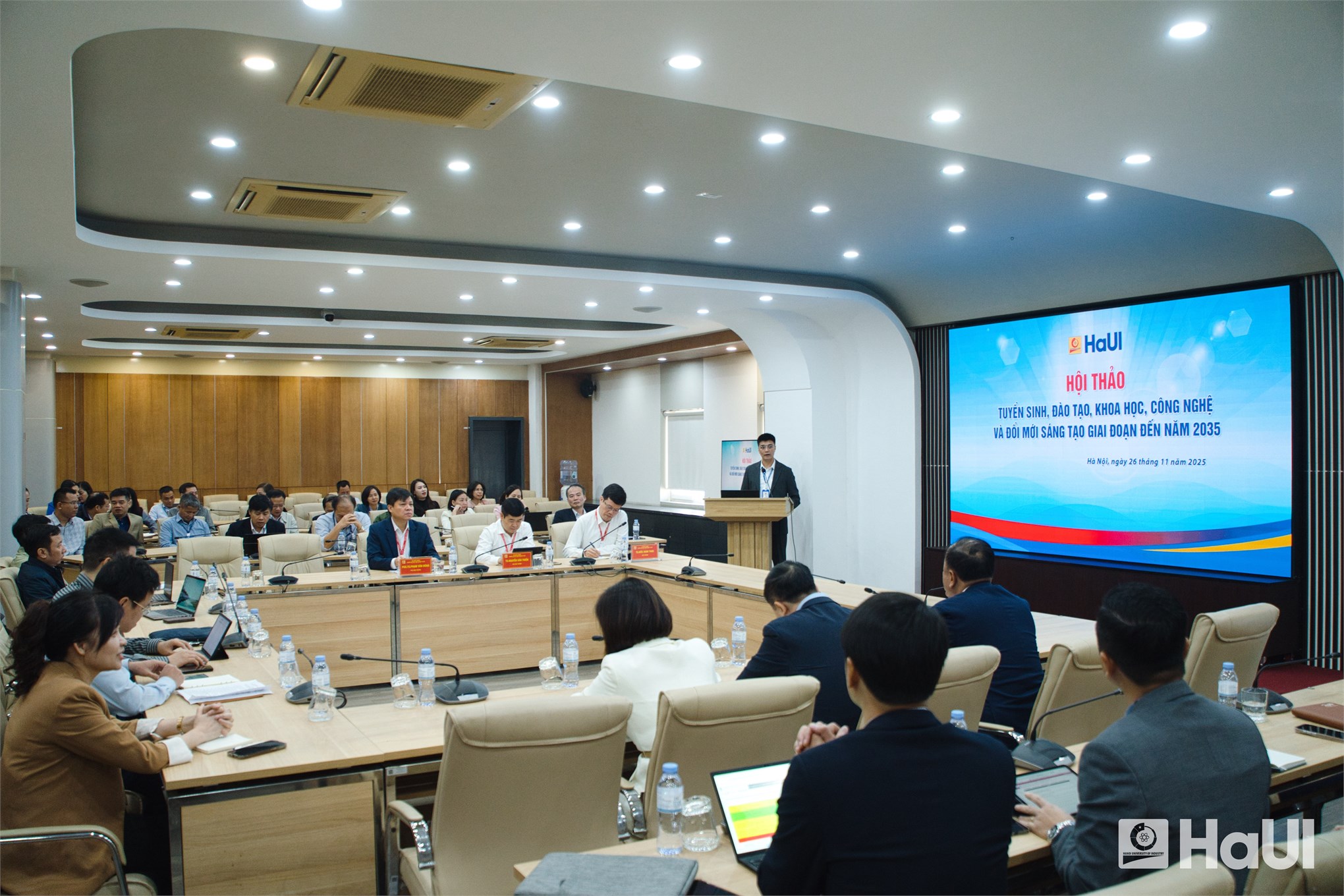
Seminar on Strategic Development of Admissions, Education, Science & Technology, and Innovation to 2035
The event took place at a pivotal moment as the Government officially approved HaUI’s transition from a “University” to a “University system,” opening up opportunities for breakthrough growth while presenting new challenges in enhancing competitiveness and international integration. The presentations at the seminar reflected and concretized the major orientations of the Party and State, notably Resolution No. 57-NQ/TW dated December 22, 2024 on breakthroughs in national science, technology, innovation, and digital transformation, and Resolution No. 71-NQ/TW dated August 22, 2025 on education and training development. This forum served as a key platform for the university leadership to align understanding, define strategic priorities, and position HaUI for excellence in the digital era.
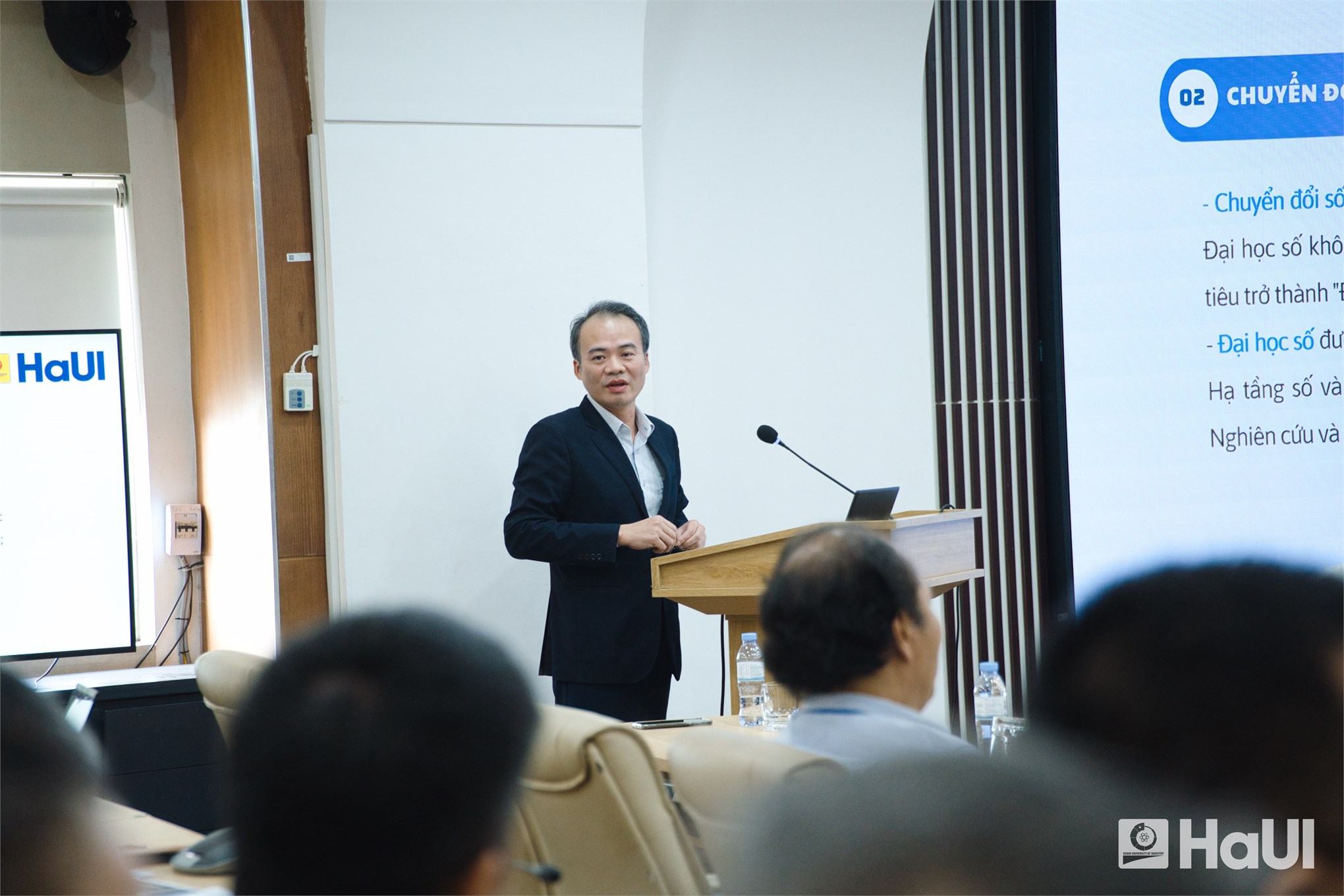
Mr.Thân Thanh Sơn, Head of Academic Affairs Department
Presenting on the context of admissions and education in higher education, Mr. Thân Thanh Sơn emphasized the transition from traditional universities to innovative and digital universities. Using Henry Etzkowitz’s Triple Helix model, he highlighted that close collaboration among universities, government, and enterprises is essential to creating an innovation-driven university. Demographic data indicate that the Vietnamese population aged 18–22 is projected to decline after 2030, necessitating a strategic rethink of admissions approaches.
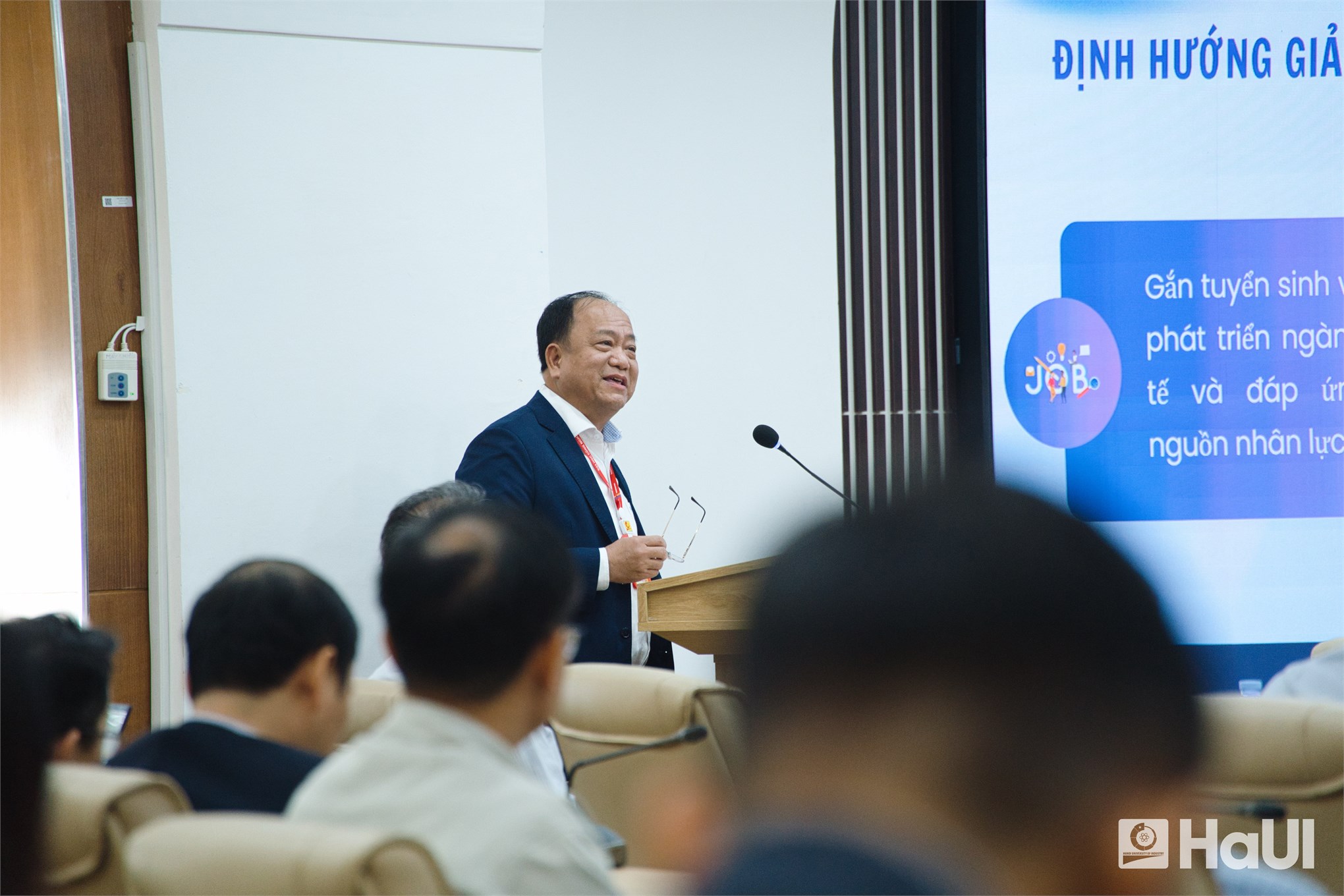
Mr. Nguyễn Văn Thiện, Vice Rector of Hanoi University of Industry
Speaking on strategic orientations and key solutions for admissions and education, Mr. Nguyễn Văn Thiện stated that HaUI’s strategy will shift from “enrolling enough students” to “selective admissions.” The university aims to maintain undergraduate enrollment at around 32,000 students, while increasing postgraduate training to over 5% to enhance advanced research capacity. The proportion of STEM students will exceed 65% to meet high-quality workforce demands in semiconductor technology, artificial intelligence (AI), and automation. HaUI also targets international students to reach 1.5% and English-medium programs to exceed 15%, promoting internationalization and improving global rankings. Additionally, Mr. Thiện proposed the establishment of a professional student psychology unit and the expansion of talent development programs, aiming for each faculty to have at least one distinguished program.
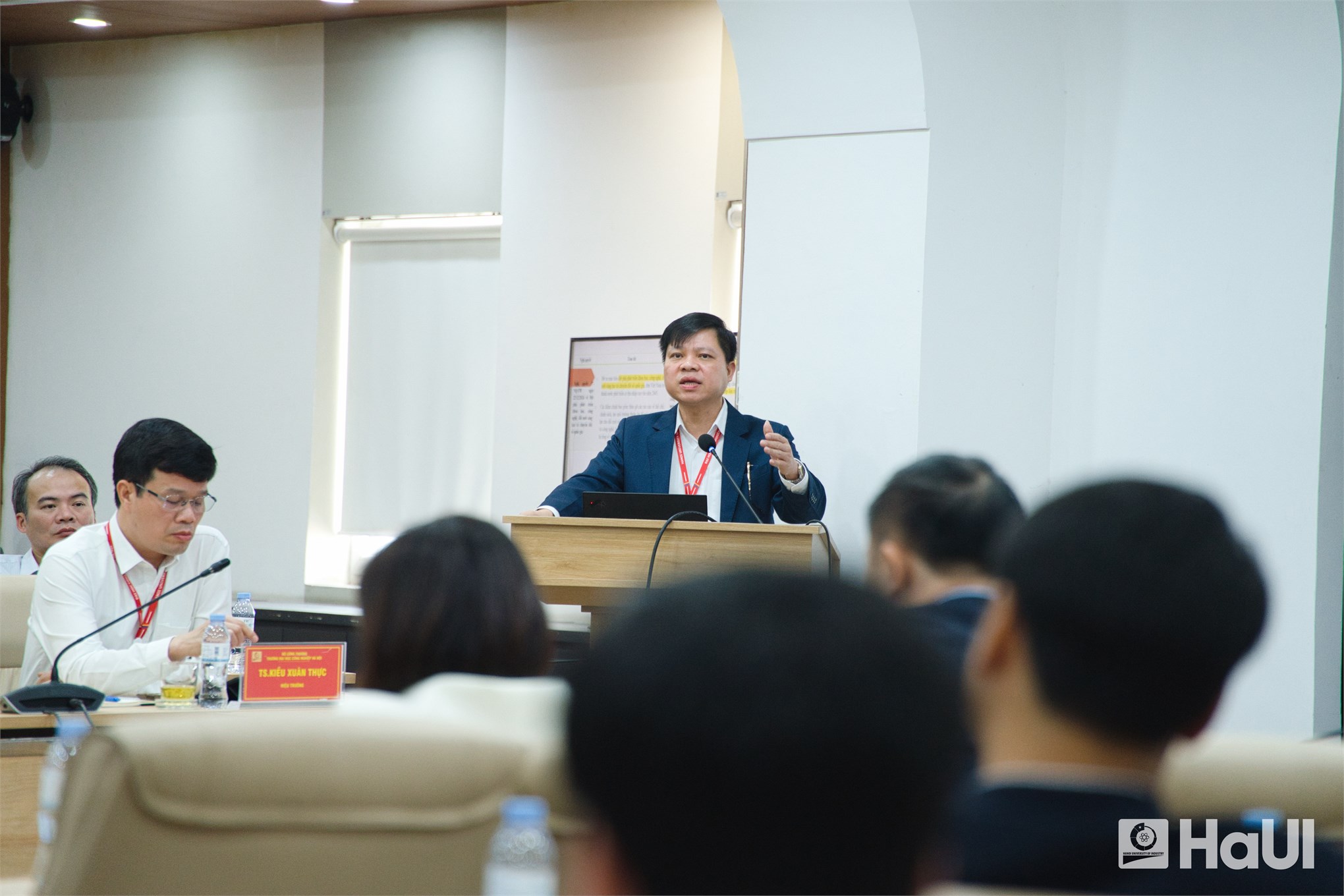
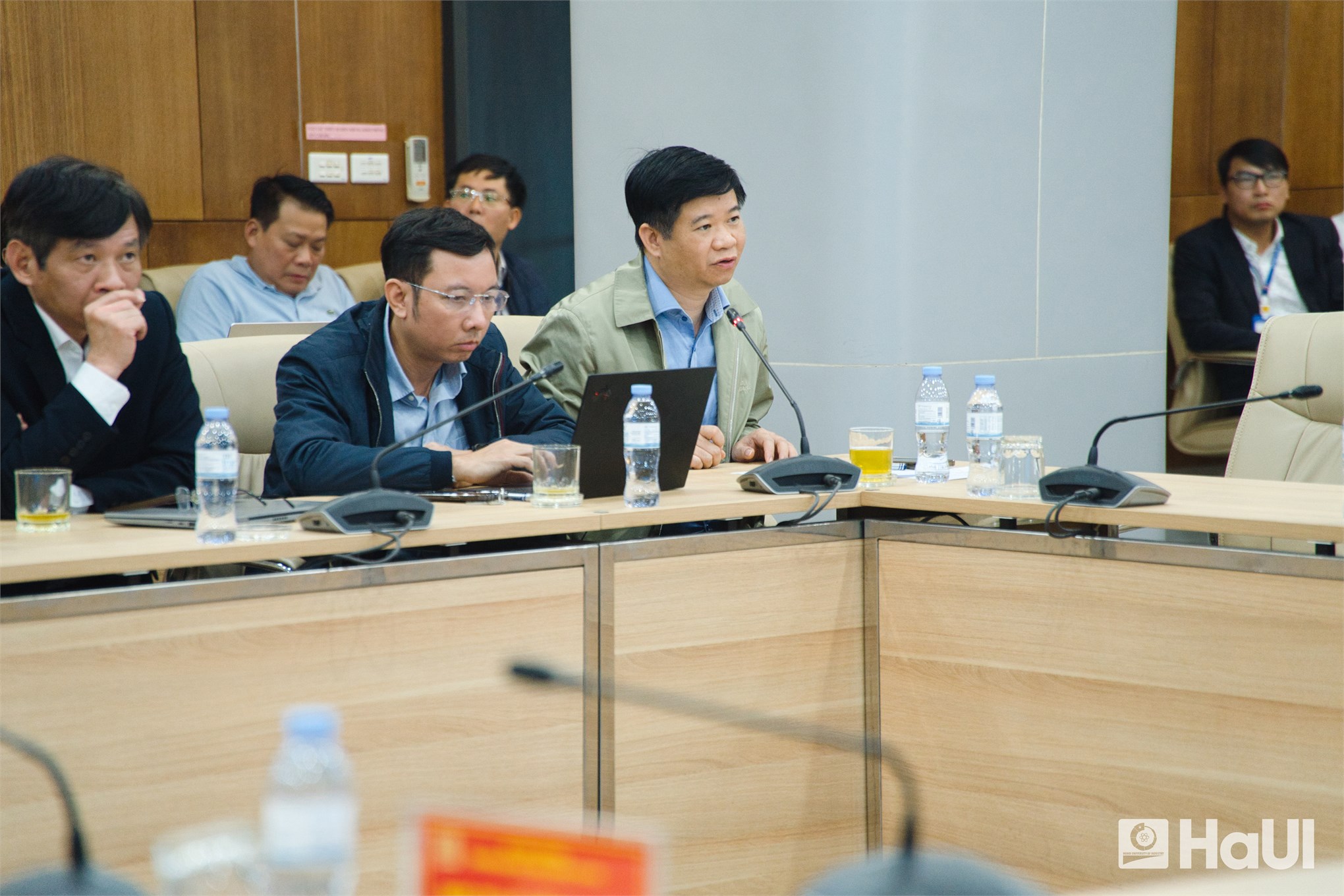
Mr. Pham Van Dong, Vice Rector of Hanoi University of Industry
At the conference, Mr. Phạm Văn Đông, Vice Rector of Hanoi University of Industry, delivered a comprehensive report on the key trends, strategic objectives, and development orientations for science, technology, and innovation at HaUI toward 2035. Drawing on the most recent national policy and legal frameworks, particularly Politburo Resolution No. 57-NQ/TW dated December 22, 2024 on breakthroughs in science, technology, innovation, and national digital transformation, as well as the amended Capital Law, he emphasized that the policy environment is becoming increasingly favorable for universities to strengthen their research capacity, promote innovation, and enhance societal impact.
Looking ahead to 2035, Mr. Phạm Văn Đông stressed that HaUI aims to commercialize three to five high technology or nationally recognized products, establish six to eight strong research groups, and increase revenue from science and technology activities to account for 12 to 15 percent of the university’s total revenue. These strategic objectives demonstrate HaUI’s strong commitment to developing a robust innovation ecosystem, advancing technology transfer, and making meaningful contributions to national socio economic development.
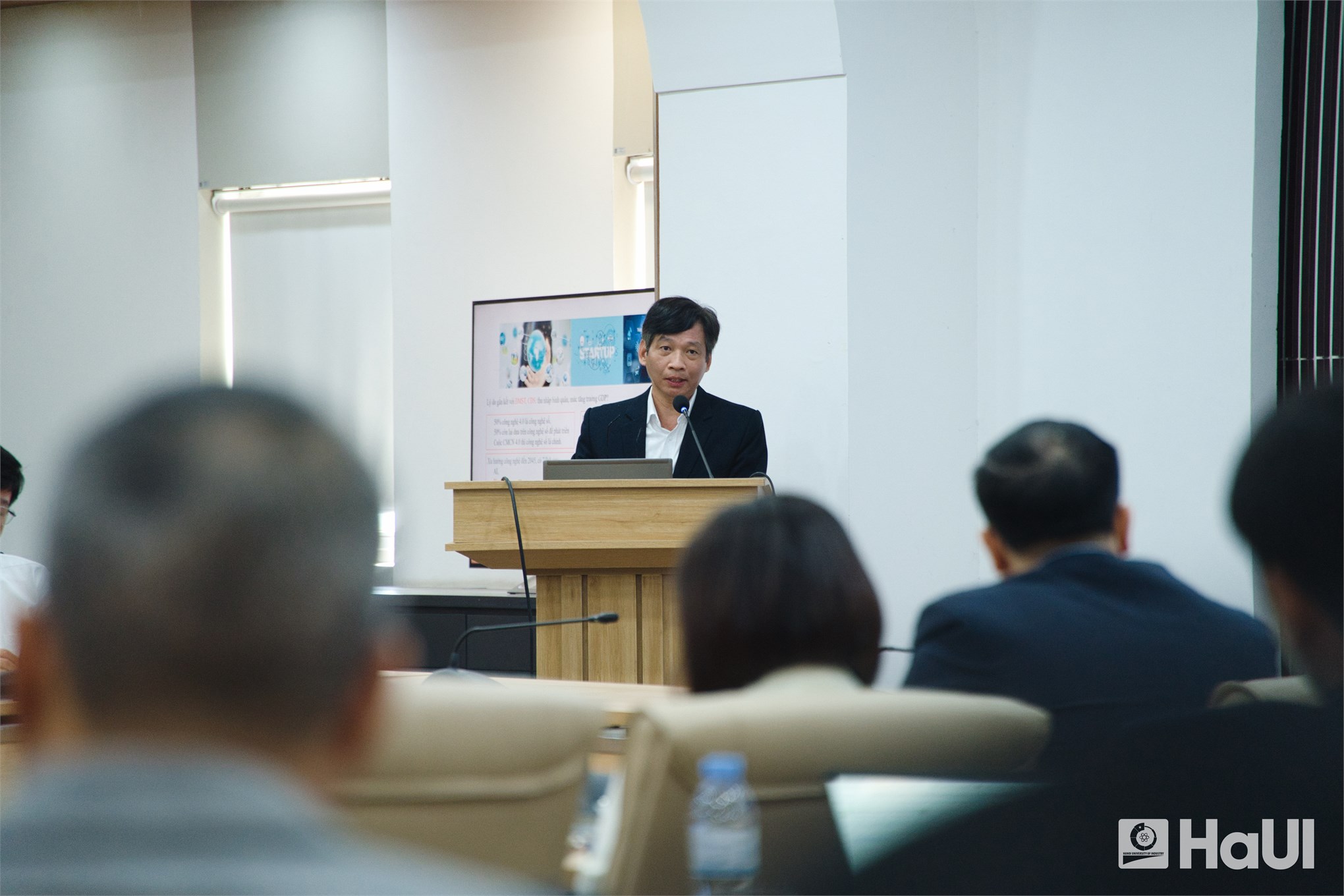
Mr.Trịnh Trọng Chưởng, Head of the Department of Science and Technology
Presenting a report on the orientation for science and technology development and innovation at Hanoi University of Industry towards 2035, Mr. Trịnh Trọng Chưởng, Head of the Department of Science and Technology, analyzed and compared science and technology development models across various countries. Drawing lessons from Brazil’s limited success due to fragmented investment in universities and research institutes without strong linkage to enterprises, he contrasted this with the more effective models of Japan, South Korea, and China, where science and technology development is closely aligned with practical demands and market needs.
On that basis, Mr. Trịnh Trọng Chưởng proposed a number of strategic solutions, emphasizing the prioritization of applied research projects with the potential to generate revenue and economic value, while adjusting and reducing the emphasis on purely academic publications. He also recommended establishing a roadmap for the creation of science and technology spin-off enterprises and specialized research centers within academic units, alongside the comprehensive implementation of digital transformation in the management of scientific tasks, covering the entire process from project registration and implementation to acceptance and contract settlement.
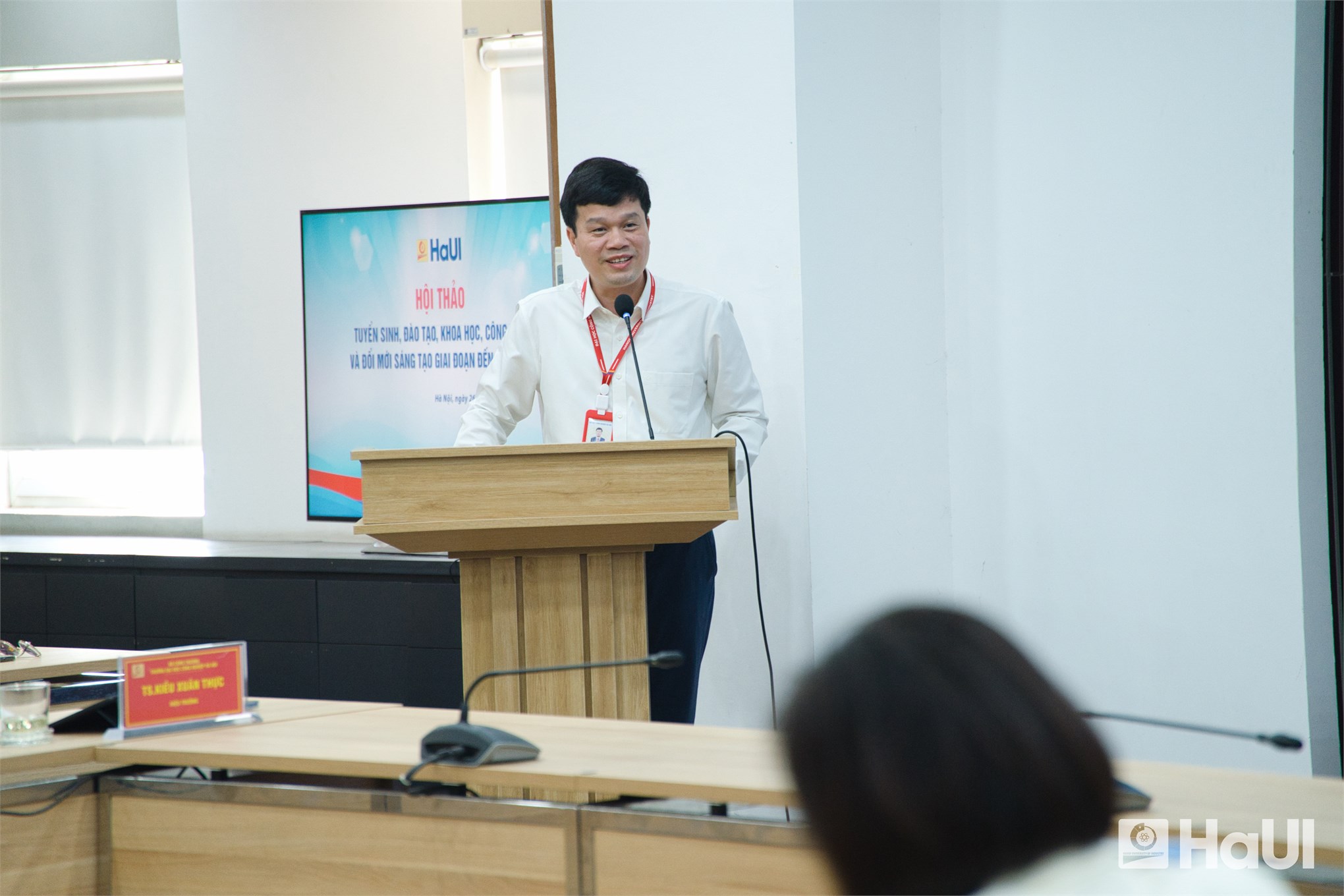
Mr. Kiều Xuân Thực, Rector of Hanoi University of Industry
In his closing remarks, Mr. Kiều Xuân Thực, Rector of Hanoi University of Industry, emphasized that the Prime Minister’s decision to transform the institution into a university represents not only a recognition of the collective efforts of the academic community in recent years, but also an imperative for a fundamental shift in governance and operational thinking. He underscored the critical importance of renewing mindsets, promoting an open and forward-looking culture that embraces innovation and places institutional interests above individual considerations.
Mr. Kieu Xuan Thuc further stressed that all strategies and action plans must be clearly articulated in formal documents, publicly communicated, and implemented decisively in the spirit of “translating commitments into action,” with no tolerance for hesitation or reluctance. The overarching objective is to position Hanoi University of Industry as an innovation-oriented university committed to sustainable development, making meaningful contributions to the nation’s industrialization and modernization in the new era.