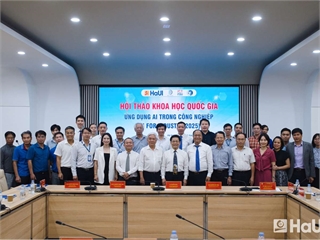
Vietnam's Aspiration for Chip Autonomy: The Pivotal Role of Training Institutions
In an increasingly intense global technology race, semiconductor chips are considered the heart of all modern devices, from smartphones and electric vehicles to artificial intelligence systems. Recognizing this strategic importance, Vietnam is setting ambitious goals, with research and training institutions like Hanoi University of Industry (HaUI) identified as key players in this national endeavor.
According to a report by Vietnam Today, the Vietnamese government has demonstrated a strong determination to develop its semiconductor industry. During the second meeting of the national steering committee on semiconductor industry development, the Prime Minister called for urgent and concerted efforts for Vietnam to independently design, manufacture, and test several essential semiconductor chips by no later than 2027.
This goal is set against the backdrop of Vietnam's rapidly growing market for semiconductor-based products. This expansion is largely fueled by the swift uptake of next-generation technologies like IoT, AI, and 5G, coupled with growing consumer electronics demand and robust government stimulus.
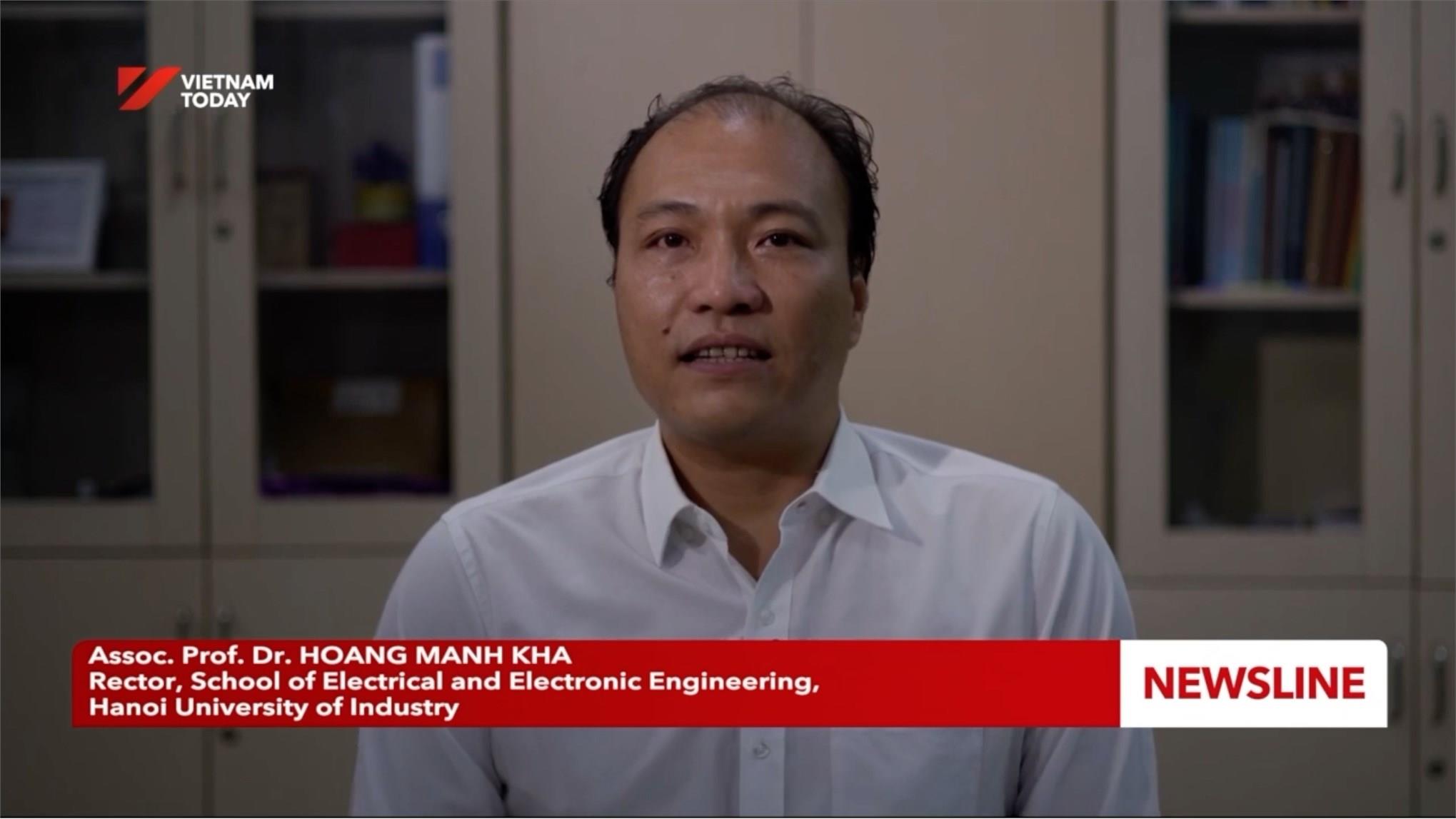
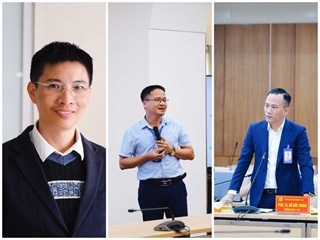
To better understand the role of research and training institutions in realizing these goals, the program interviewed Assoc. Prof. Dr. Hoang Manh Kha, Rector of the School of Electrical and Electronic Engineering (SEEE) at HaUI—one of the institutions prioritized for state budget investment in semiconductor laboratories.
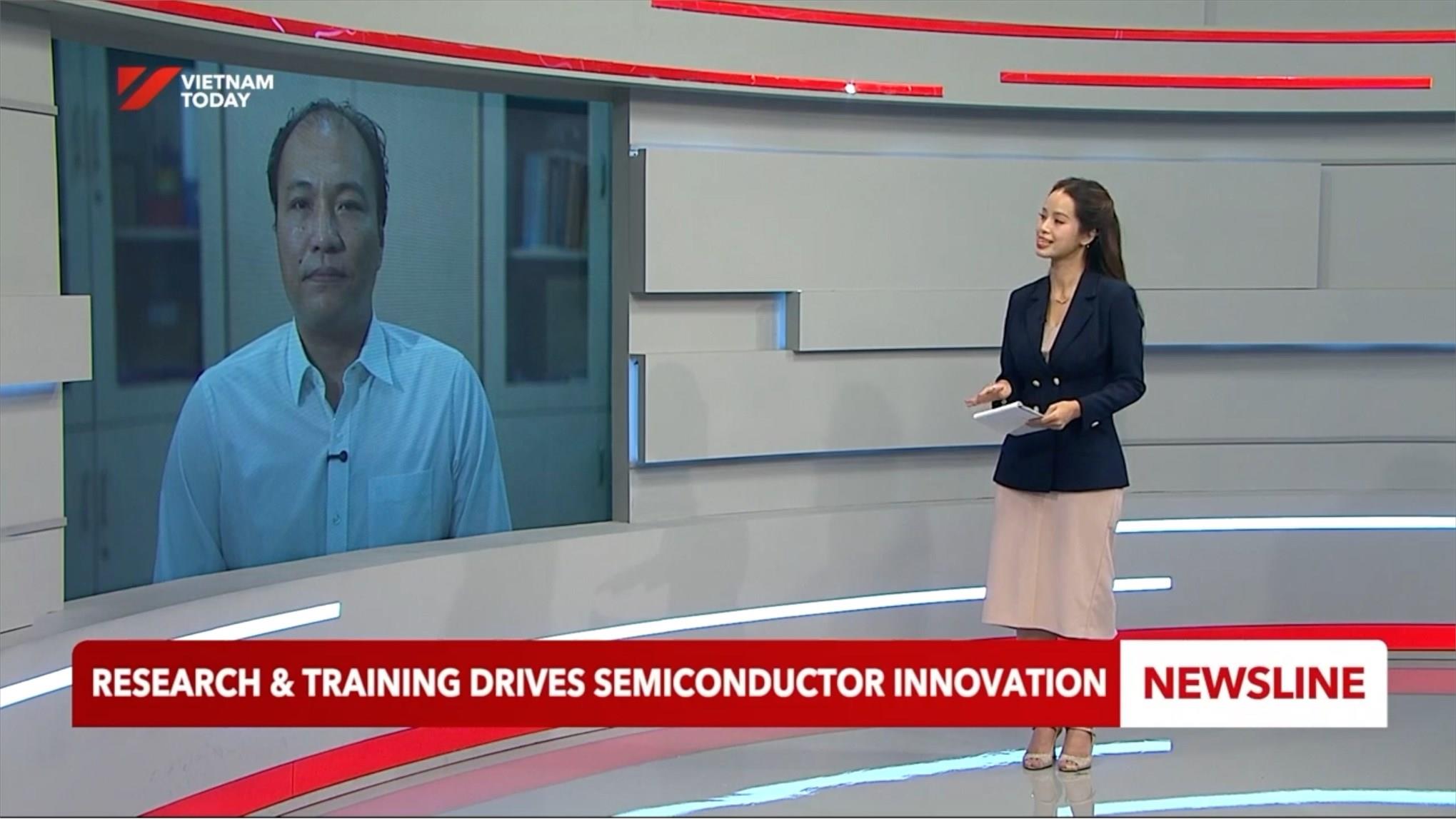
According to Dr. Kha, although Vietnam started later than other countries in the semiconductor industry, "the key is that we have started and we still have the chance to catch up." He emphasized that the current global supply chain shift presents a "golden opportunity" for Vietnam to attract investment and access new technologies.
"Looking ahead, if we master chief design, manufacturing and testing, we can build our own ecosystem, create a national brand, escape the middle income trap, and move toward sustainable development on the path to become a high income nation by 2045," Dr. Kha shared.
When asked about the role of training institutions like HaUI, Dr. Kha affirmed that these units play a "vital role". The semiconductor supply chain involves multiple stages, from design and manufacturing to packaging and testing. Each training institution, depending on its strengths, will focus on one or a few of these value chain stages.
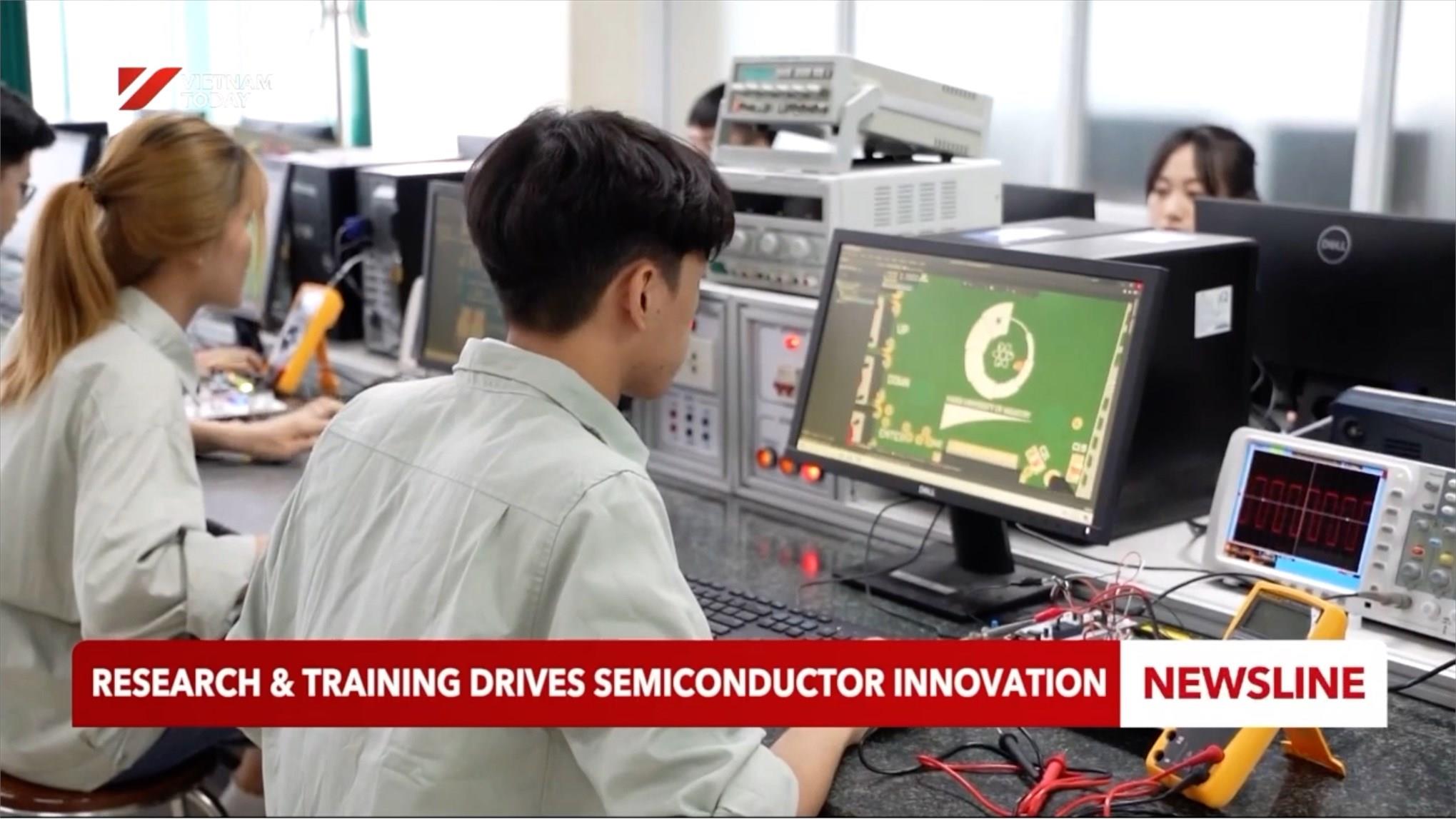
Dr. Kha also pointed out that the biggest challenge in semiconductor training is the need for huge investments in equipment, software, and high-quality lecturers. In response, the government has taken concrete actions. HaUI has been selected as one of 18 Vietnamese universities to receive investment for a basic semiconductor laboratory, expected to launch in 2026. Additionally, other support activities, such as training and professional development for lecturers and providing scholarships for students, are being implemented.
"These supports give us a great opportunity to strengthen training and research capacity and to contribute to the successful implementation of the national semiconductor strategy," Dr. Kha emphasized.
The synergy between macro-level policies and practical actions is expected to create a powerful lever, helping Vietnam gradually mark its name on the global semiconductor map and realize its aspiration for a technologically autonomous and sustainably developed nation.
-
Friday, 20:28 03/10/2025
Related news
Hot News
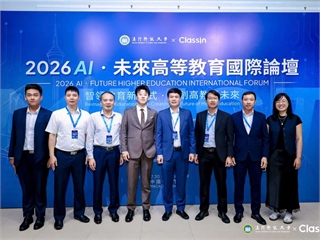
HaUI expands partnerships in Education, Research and Digital Transformation in China
Chủ Nhật, 09:09 02/08/2026

Related news
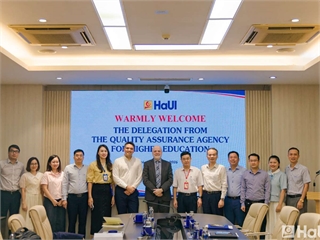
HaUI and QAA exchange expertise on international quality assurance and accreditation
Thứ Ba, 07:35 13/10/2026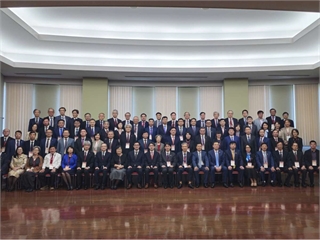
HaUI expands academic partnerships in Japan at the Fourth Japan- Vietnam University Presidents’ Conference
Thứ Sáu, 18:05 09/10/2026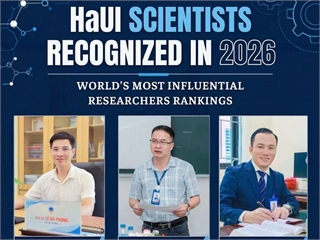
Three HaUI scientists advance in the 2026 World’s Most Influential Researchers Rankings
Thứ Sáu, 07:59 09/10/2026
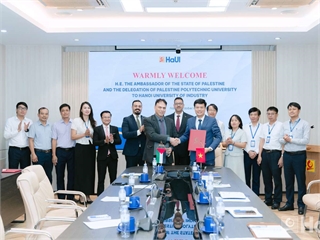
HaUI and Palestinian partners explore new avenues for education and research
Thứ Sáu, 15:55 02/10/2026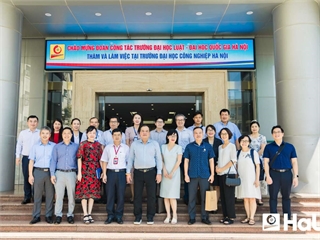
HaUI welcomes VNU School of Law delegation for a working session on digital transformation
Thứ Sáu, 07:39 03/10/2025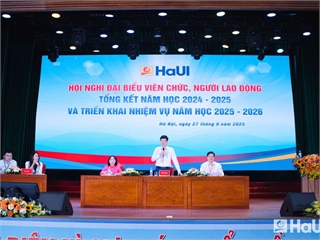
HaUI reviews achievements of 2024–2025 and sets strategic tasks for the new academic year
Thứ Hai, 15:06 29/09/2025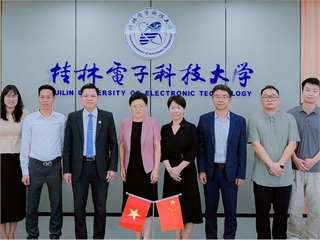
HaUI scientists honored in the global ranking of the world’s most influential researchers
Thứ Năm, 08:32 25/09/2025