From research lab to industry: A HaUI student's semiconductor journey
For Chu The Khai, studying Electronics and Telecommunications Engineering at the School of Electrical and Electronic Engineering, Hanoi University of Industry (HaUI) has been more than an academic pursuit. It has been a journey of intellectual exploration, professional growth, and continuous engagement with one of today's most dynamic technological fields.
Driven by a strong interest in the technologies underpinning modern electronic systems, Khai gradually developed a passion for integrated circuit design and semiconductor engineering. Through his participation in research activities at ICD Lab, he gained valuable experience in semiconductor design, joined the Viettel Digital Talent programme, undertook professional training at the Viettel Semiconductor Center, and contributed to his first international scientific publications. His experience reflects the opportunities available to HaUI students to combine academic study with research, industry engagement, and international collaboration, preparing them for careers in advanced technology sectors.
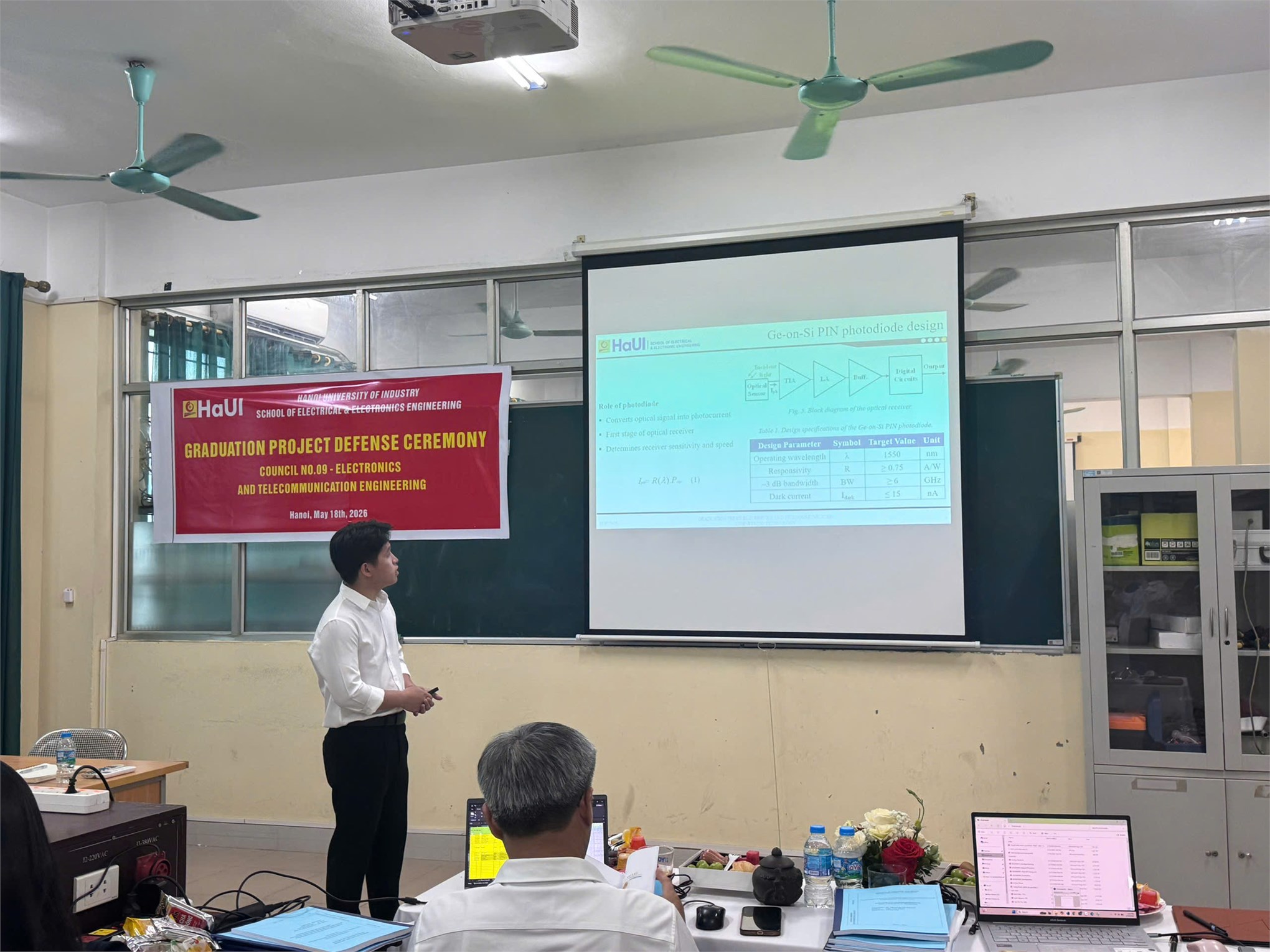
Chu The Khai presents his graduation thesis in English at the School of Electrical and Electronic Engineering, Hanoi University of Industry.
Building a strong foundation for semiconductor engineering
When choosing his university programme, Khai was motivated by a desire to understand how electronic circuits, communication systems, and semiconductor devices are designed and developed. Rather than focusing solely on future employment opportunities, he sought an academic environment that would allow him to explore emerging technologies through both theoretical learning and practical experience.
Recognizing that semiconductor engineering is an internationally connected discipline, where technical documentation, design tools, and scientific publications are predominantly produced in English, Khai enrolled in HaUI's English-taught Electronics and Telecommunications Engineering programme. Studying in English enabled him to access global knowledge resources directly while developing the communication skills required for research and professional practice in an international environment.
Beyond the classroom, ICD Lab became an important part of his academic development. There, he participated in research activities related to integrated circuit design and semiconductor engineering, applying theoretical knowledge to practical engineering challenges under the guidance of experienced researchers and faculty members.
These experiences broadened his technical expertise while reinforcing a fundamental understanding that engineering is not only about mastering existing knowledge, but also about analysing problems, exploring innovative solutions, and continuously improving through research and experimentation. It was through this process that semiconductor engineering evolved from an academic interest into a long-term professional aspiration.
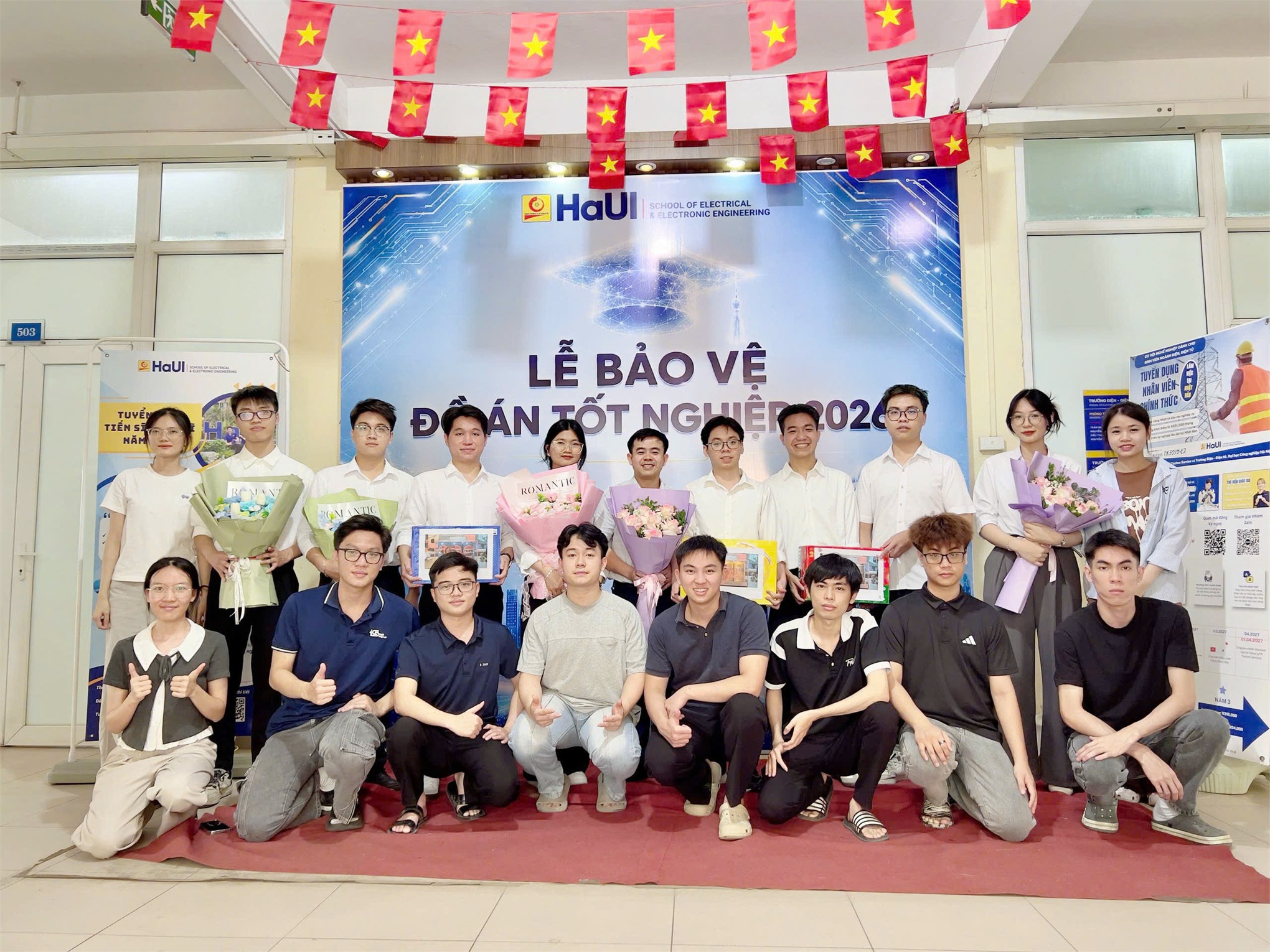
Chu The Khai poses with members of ICD Lab
From Research Experience to Professional Development
For Khai, ICD Lab became the environment where academic knowledge was translated into research practice. Throughout his undergraduate years, the laboratory served as the setting for scientific research projects, his graduation thesis, and participation in the Integrated Circuit Design for Smart Cities Competition. Working alongside fellow researchers, he spent countless hours developing circuit designs, conducting simulations, identifying design errors, and refining technical solutions.
The process was often demanding. Minor simulation errors could require days of analysis before their underlying causes were identified. These experiences strengthened not only his technical competence but also his ability to think critically, work systematically, and collaborate effectively within a research team.
Reflecting on his time in the laboratory, Khai believes that the most valuable outcome was not the awards or academic achievements, but the opportunity to learn alongside dedicated mentors and peers who shared a common commitment to scientific inquiry.
Throughout this journey, Dr. Pham Xuan Thanh and members of the ADC and AIM research groups played an important role in shaping his academic and professional development. Their guidance extended beyond technical expertise, helping him cultivate the analytical thinking, research methodology, and professional discipline expected of future engineers working in advanced technology industries.The collaborative research environment at ICD Lab also enabled Khai to appreciate that engineering innovation is built upon persistence, rigorous experimentation, and continuous learning. These qualities have become an integral part of his approach to both research and professional practice.
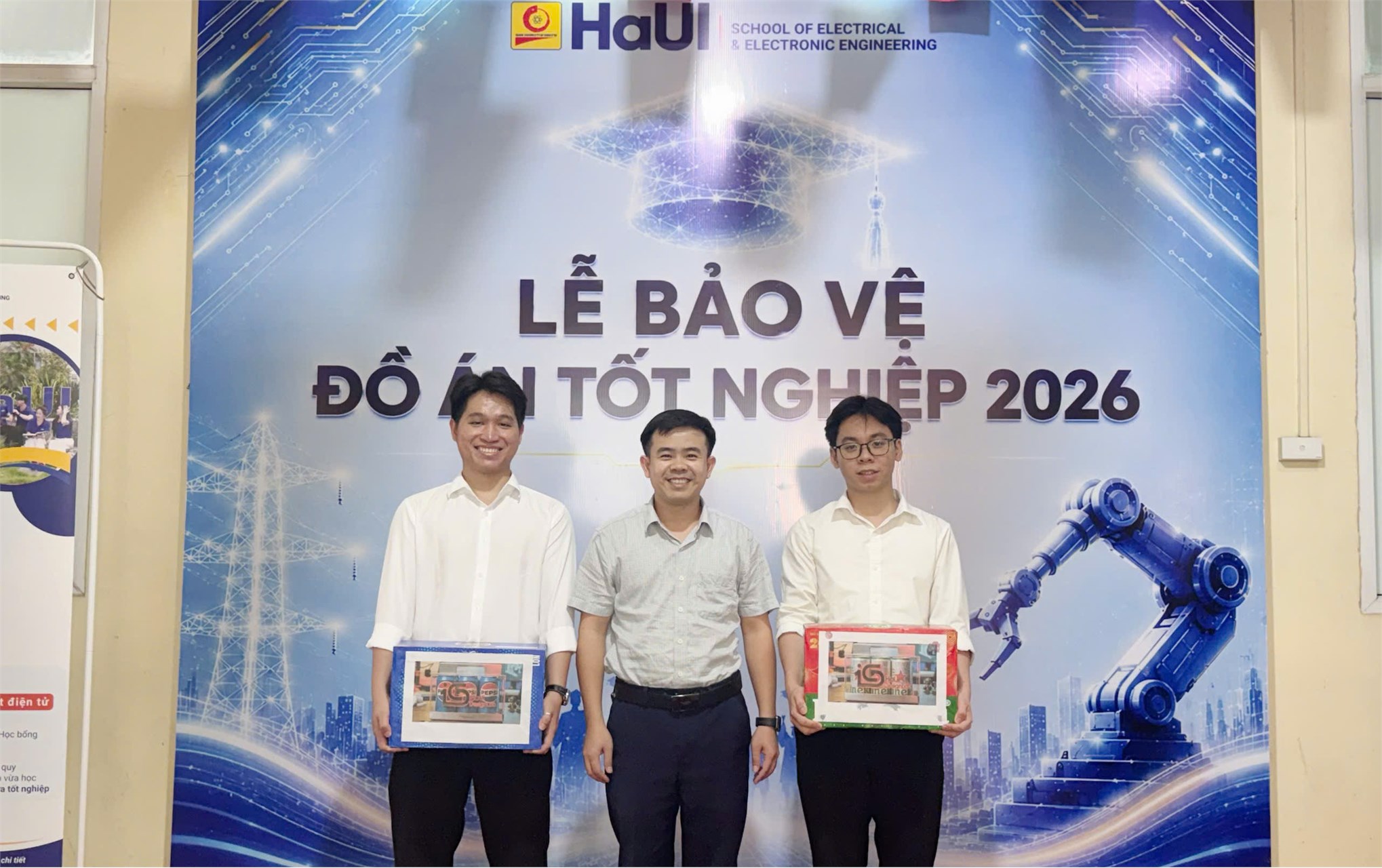
Chu The Khai and Dr. Pham Xuan Thanh celebrate the successful defence of Khai's graduation thesis, marking the conclusion of his four-year academic and research journey at Hanoi University of Industry.
Preparing for the Next Stage of a Semiconductor Career
The research experience gained at ICD Lab opened new opportunities beyond the University. While still an undergraduate, Khai was selected to participate in the Viettel Digital Talent programme and began working with the Viettel Semiconductor Center, where he gained first-hand experience in a professional semiconductor research and development environment.
Transitioning from the laboratory to industry allowed him to see how the theoretical knowledge acquired at university forms the foundation for solving increasingly complex engineering challenges. Working alongside experienced engineers further strengthened his technical capabilities while providing valuable insight into the pace of technological innovation within the semiconductor sector.
For Khai, semiconductor engineering represents far more than an attractive career path. As the enabling technology behind smartphones, intelligent manufacturing, telecommunications infrastructure, medical devices, and modern data centres, semiconductor technology continues to shape the future of the global digital economy. Contributing to this field has therefore become both a professional ambition and a long-term commitment.
Although he recognizes that the road ahead will present new challenges, Khai remains confident that perseverance, continuous learning, and a willingness to embrace complex problems will continue to guide his professional development. The same determination that sustained him through long hours of research and design at HaUI now serves as the foundation for his future aspirations.
His journey also reflects the educational philosophy of Hanoi University of Industry: creating an environment where academic excellence, scientific research, and industry collaboration complement one another to prepare graduates capable of contributing to technological innovation and sustainable industrial development. Through opportunities to engage in advanced research, collaborate with industry partners, and participate in international programmes, HaUI continues to equip students with the knowledge, skills, and professional mindset required to thrive in emerging technology sectors.
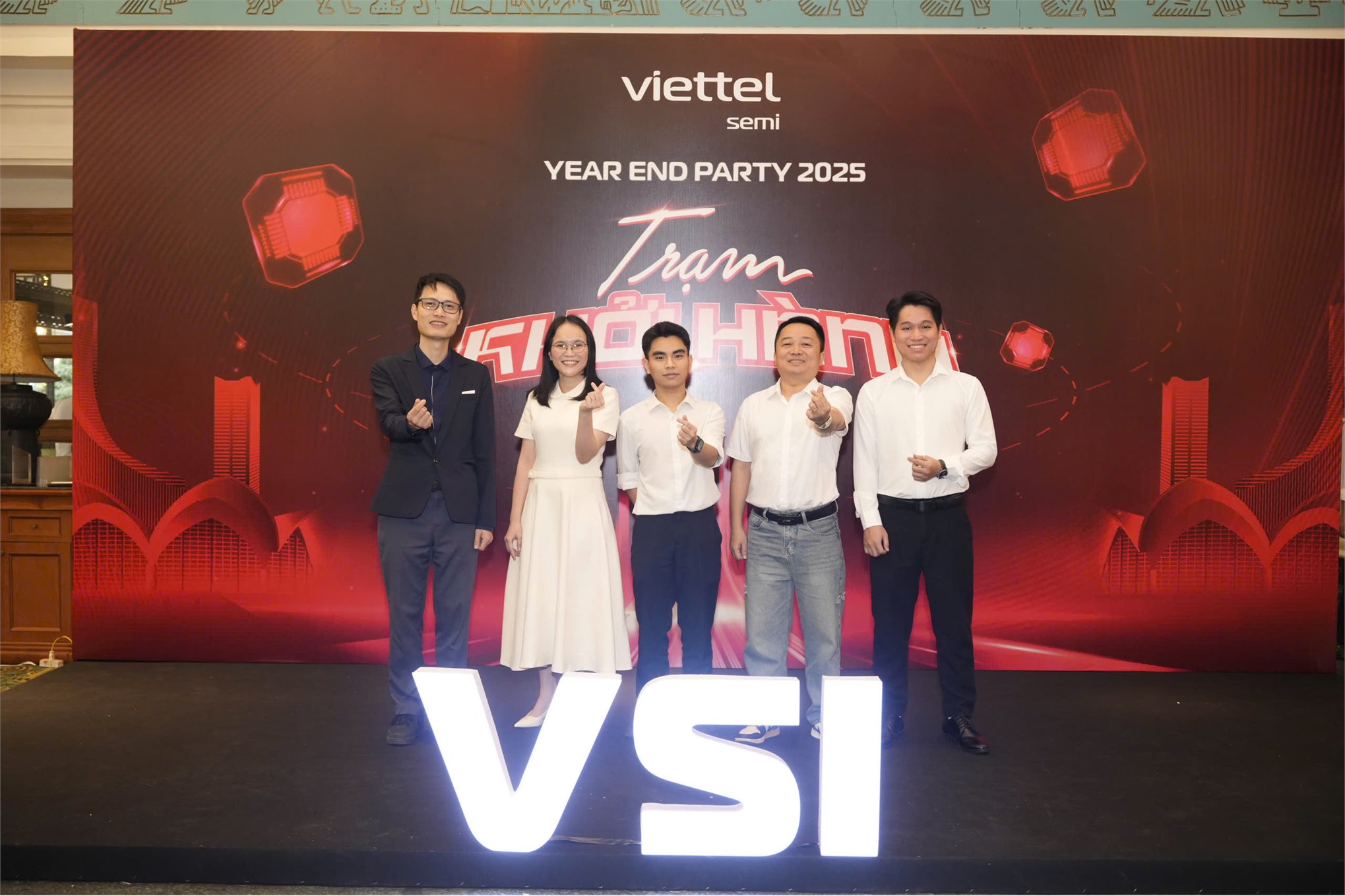
Chu The Khai poses with colleagues at the Viettel Semiconductor Center, where he gained hands-on experience in semiconductor engineering while still an undergraduate student.
Electronics and Telecommunications Engineering
(English-Taught Programme)
- Programme Code: 7510302TA
- Admission Methods: Methods 1, 2, 3, and 5
- Subject Combinations: A00, A01, X06, X07
- Programme Highlights:
+ English-medium instruction
+ Strong emphasis on scientific research
+ Access to specialised laboratories
+ Extensive industry partnerships and internship opportunities
- Career Opportunities:
+ Semiconductor and integrated circuit (IC) design
+ Electronics and telecommunications engineering
+ Embedded systems engineering
+ Research and development (R&D) in advanced technologies
- For detailed admission information, click here.
-
Friday, 10:09 05/06/2026
Related news
Hot News
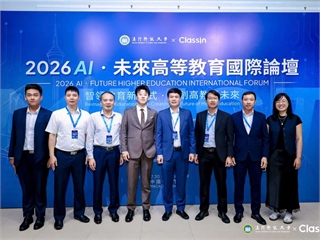
HaUI expands partnerships in Education, Research and Digital Transformation in China
Chủ Nhật, 09:09 02/08/2026

Related news
HaUI students advances to quarterfinals of national finance competition “The Moneyverse"
Thứ Ba, 10:24 12/05/2026
Two HaUI teams earn top awards at "Cultural colors of Vietnam - Japan" competition
Thứ Năm, 08:20 07/05/2026
HaUI students shine with First Prize at the 2026 “Chinese Talent” competition
Chủ Nhật, 10:01 19/04/2026
“Warm Winter for the Highlands”: HaUI Youth bring sustainable hope to Tan Mai
Thứ Sáu, 07:55 23/01/2026