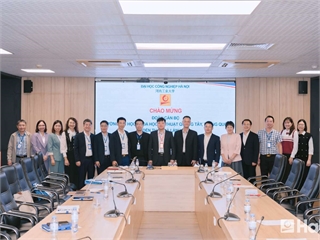
HaUI strengthens leadership capacity for student class officers in the new development phase
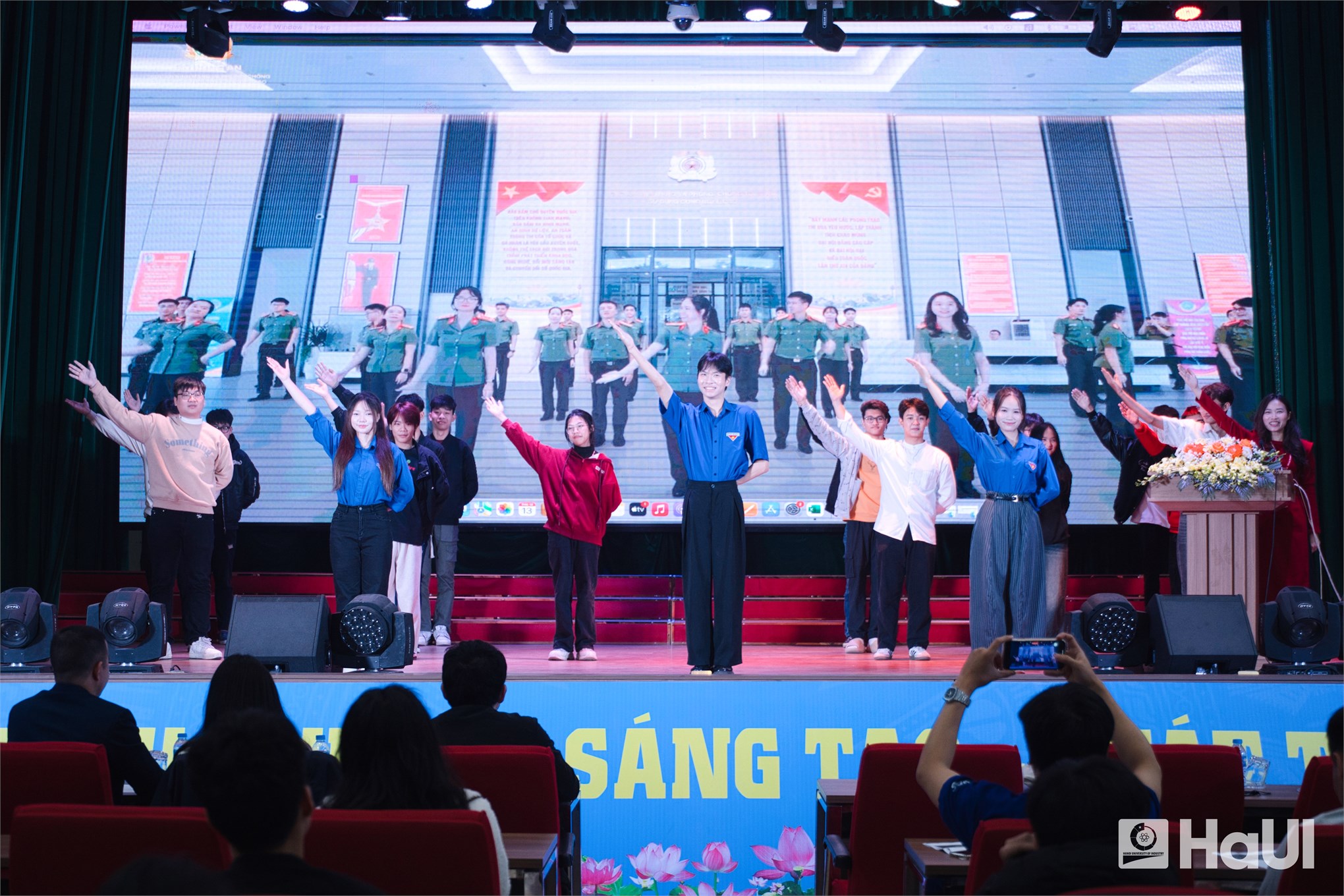
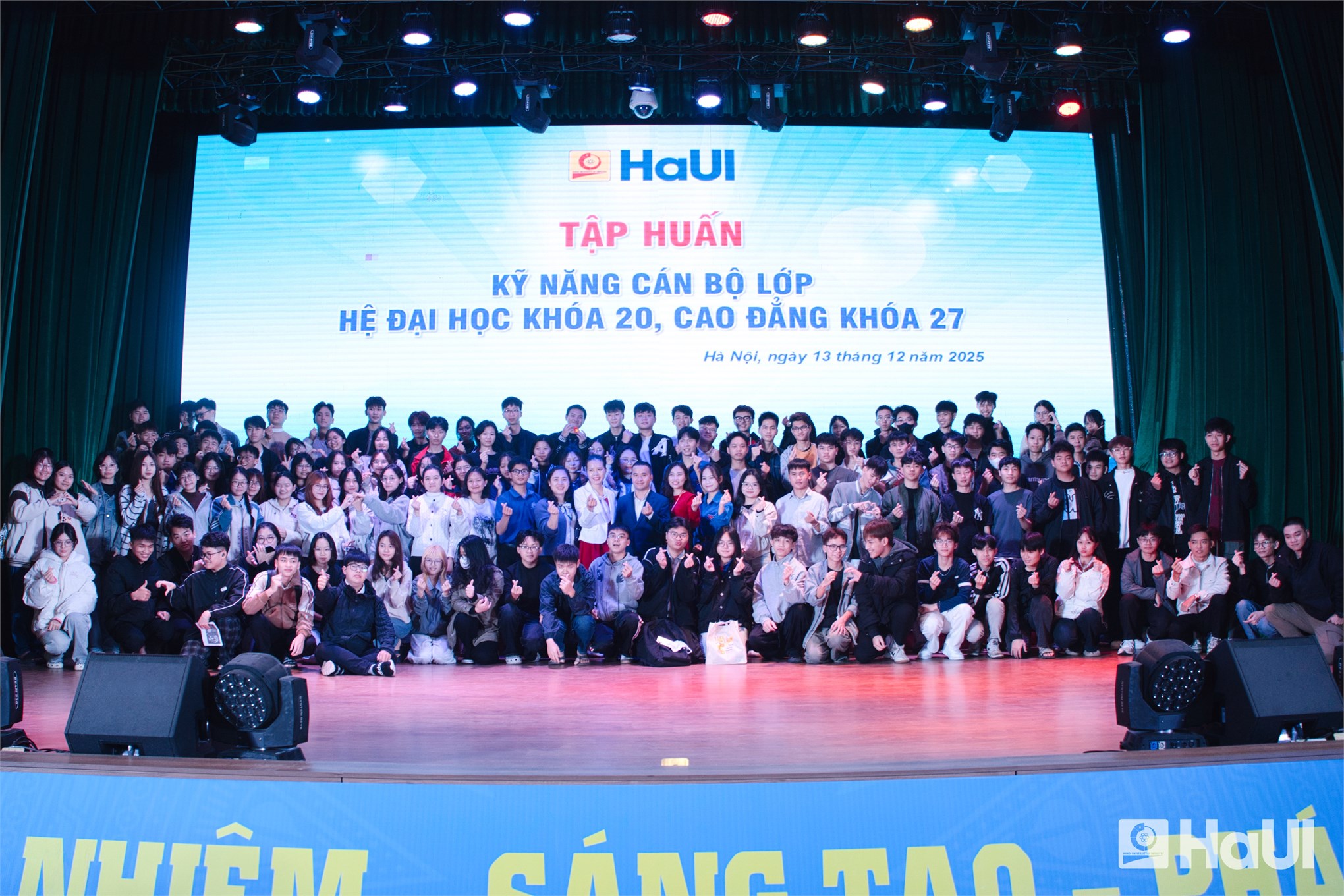
In the context of higher education undergoing substantial transformations toward quality enhancement and capacity development, the training of class leadership teams has been identified as a key task that extends beyond the provision of basic administrative management skills. Through a training program for class representatives of Undergraduate Cohort 20 and College Cohort 27, held on December 13–14 at the Hanoi and Ninh Binh campuses, Hanoi University of Industry has progressively established and shaped a contingent of student leaders equipped with organizational competence, leadership capacity, and a strong sense of responsibility, in alignment with the University’s objectives for innovation and sustainable development in the current period.
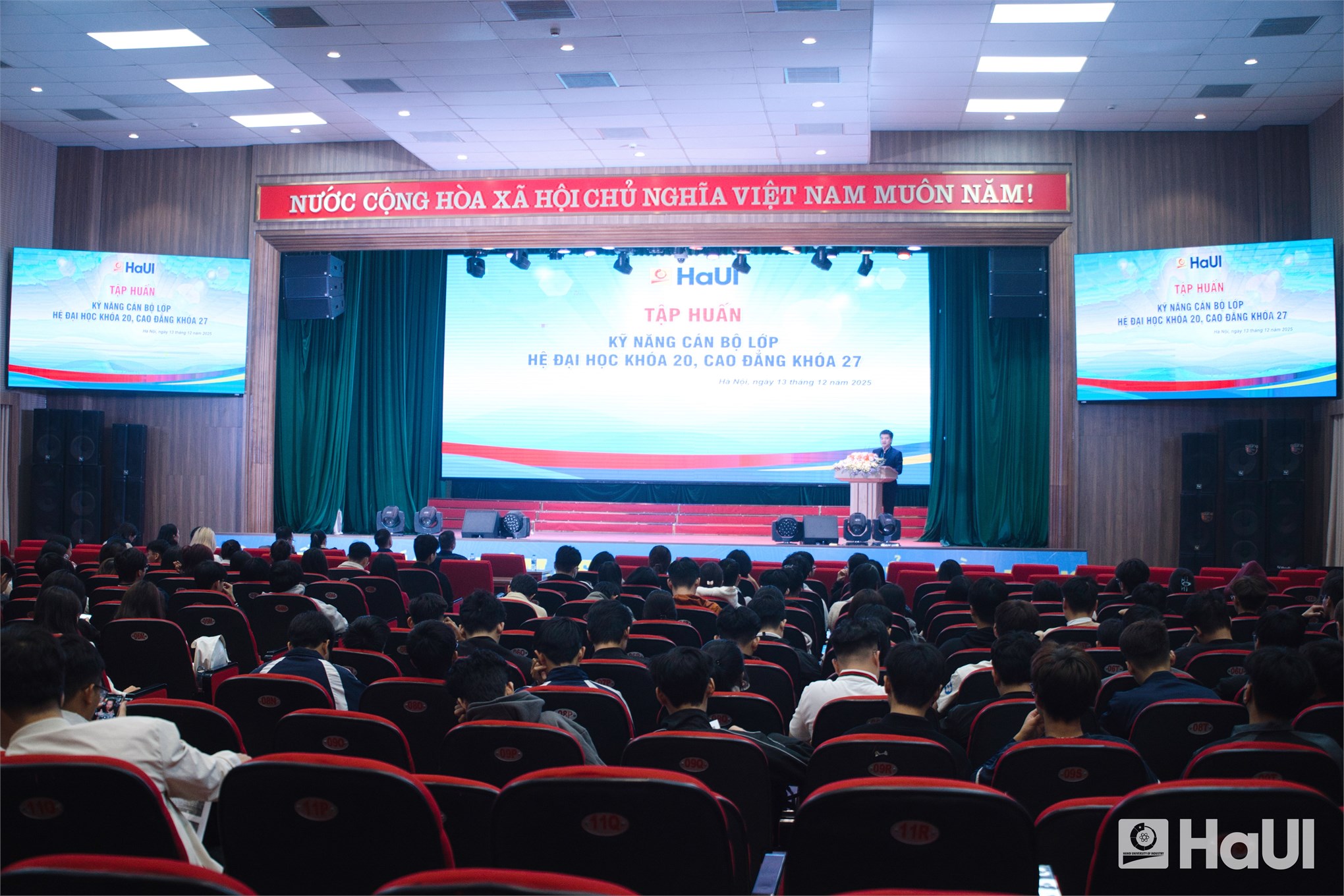
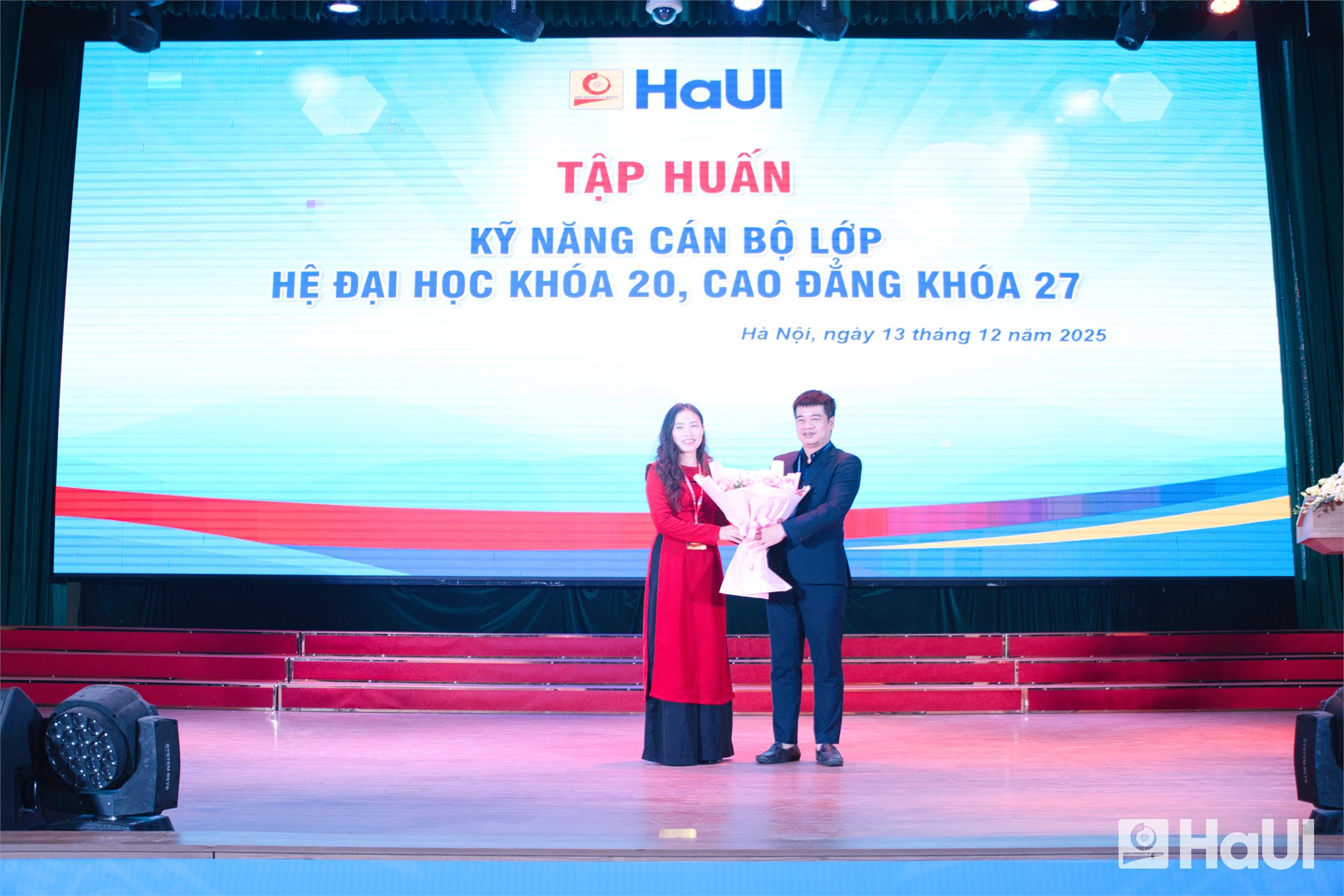
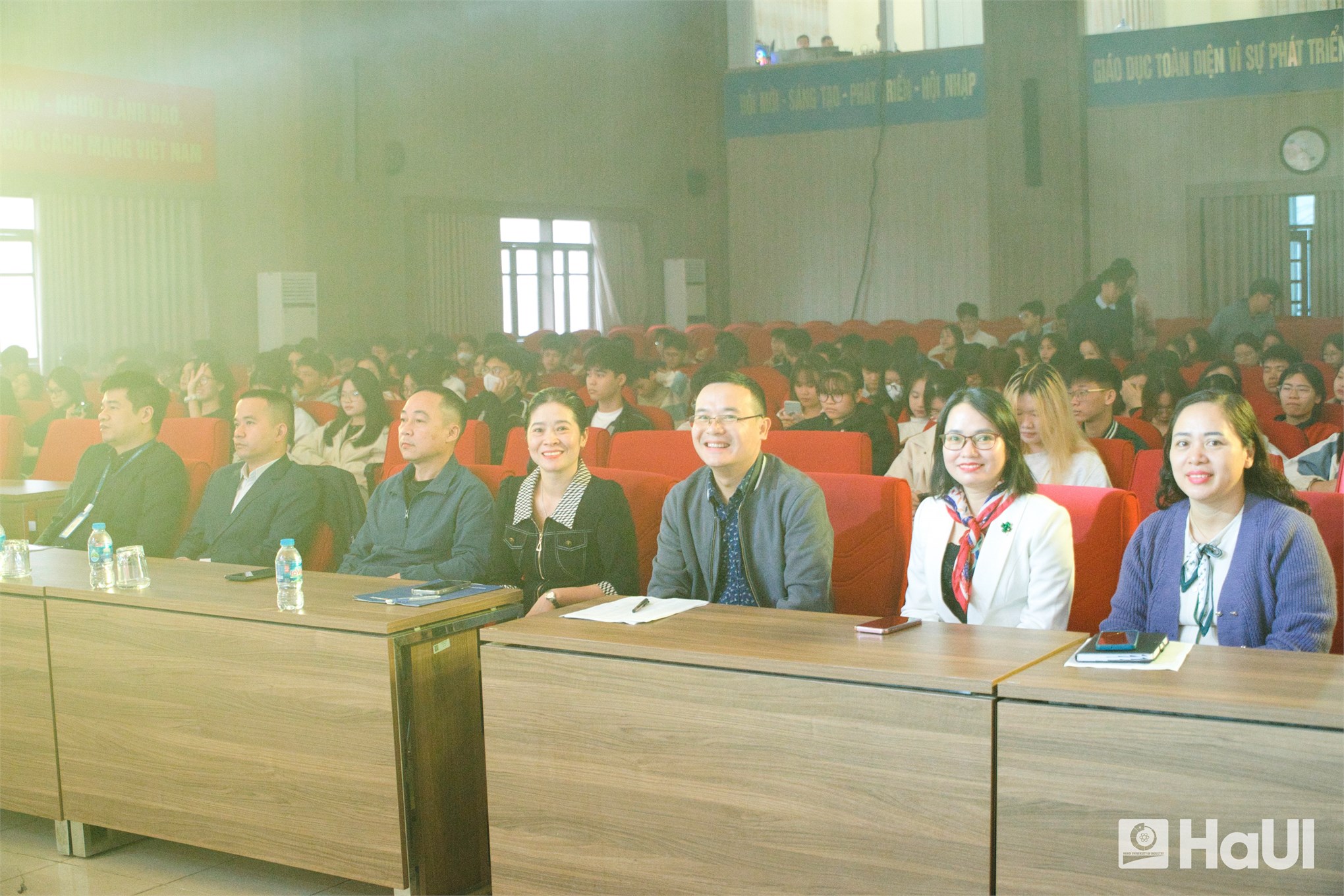
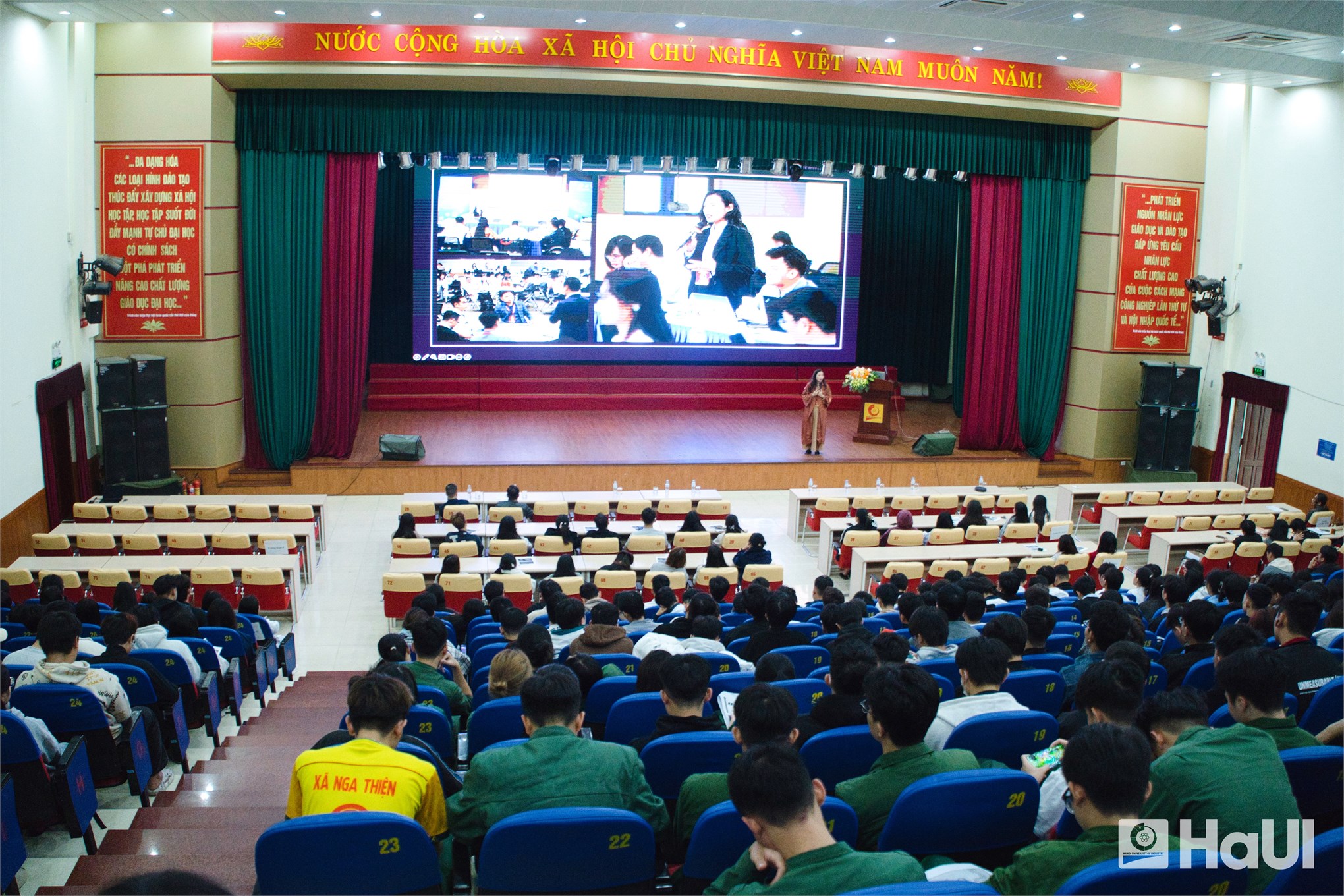
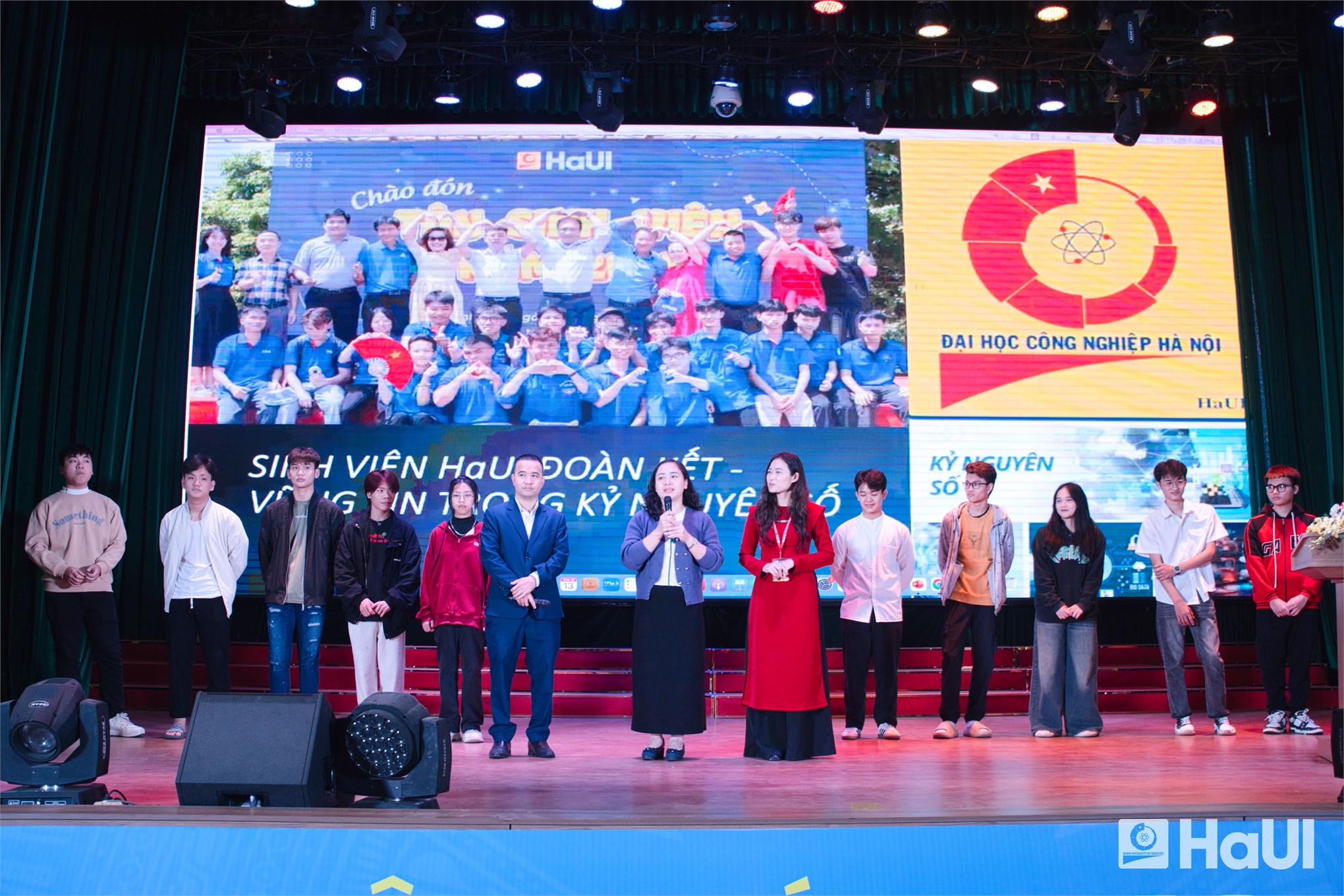
Training workshop for class leaders of Undergraduate Cohort 20 and College Cohort 27
The series of activities was conducted at a particularly significant moment, when Hanoi University of Industry officially transitioned its governance model from a “University” to a “University System.” In his orientation address, Mr. Tran Ngoc Khanh, Head of Student Affairs Department, emphasized that this upgrade in the governance model represents not merely a structural change, but also imposes higher standards and more rigorous requirements across the entire institutional framework. Accordingly, each unit, collective, and individual is expected to proactively adapt, enhance capacity, and demonstrate a heightened sense of responsibility in this new phase of development.
Within this context, class monitors and Youth Union secretaries are identified as key actors in student management and organization. Beyond serving as conduits for information or carrying out administrative tasks, student class leaders are required to assume the role of genuine leaders with organizational thinking, leadership competence, and the ability to cultivate a positive learning and engagement environment. This core group plays a direct role in building disciplined, proactive, and sustainable student communities, in alignment with the demands of modern university governance in the new development stage.
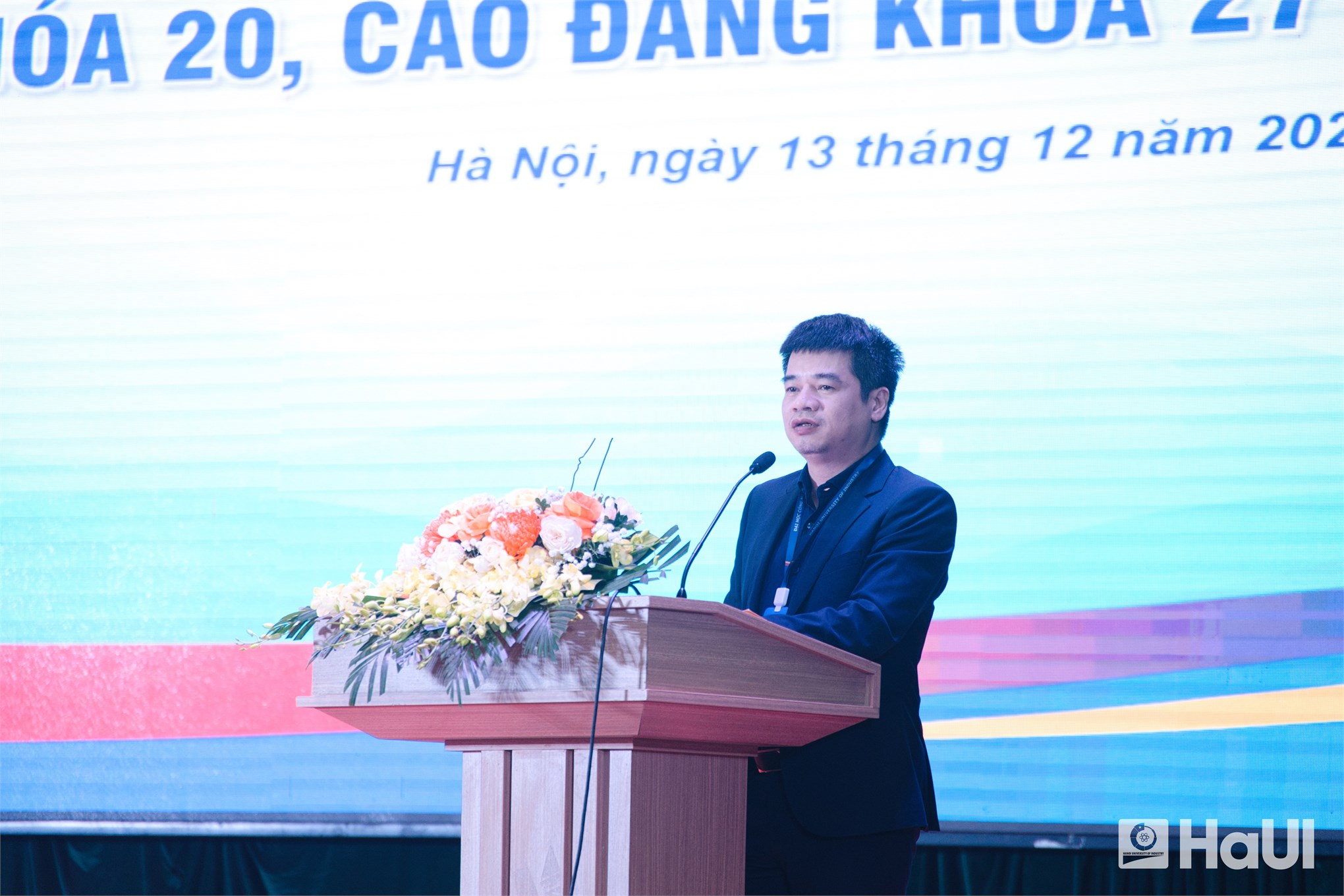
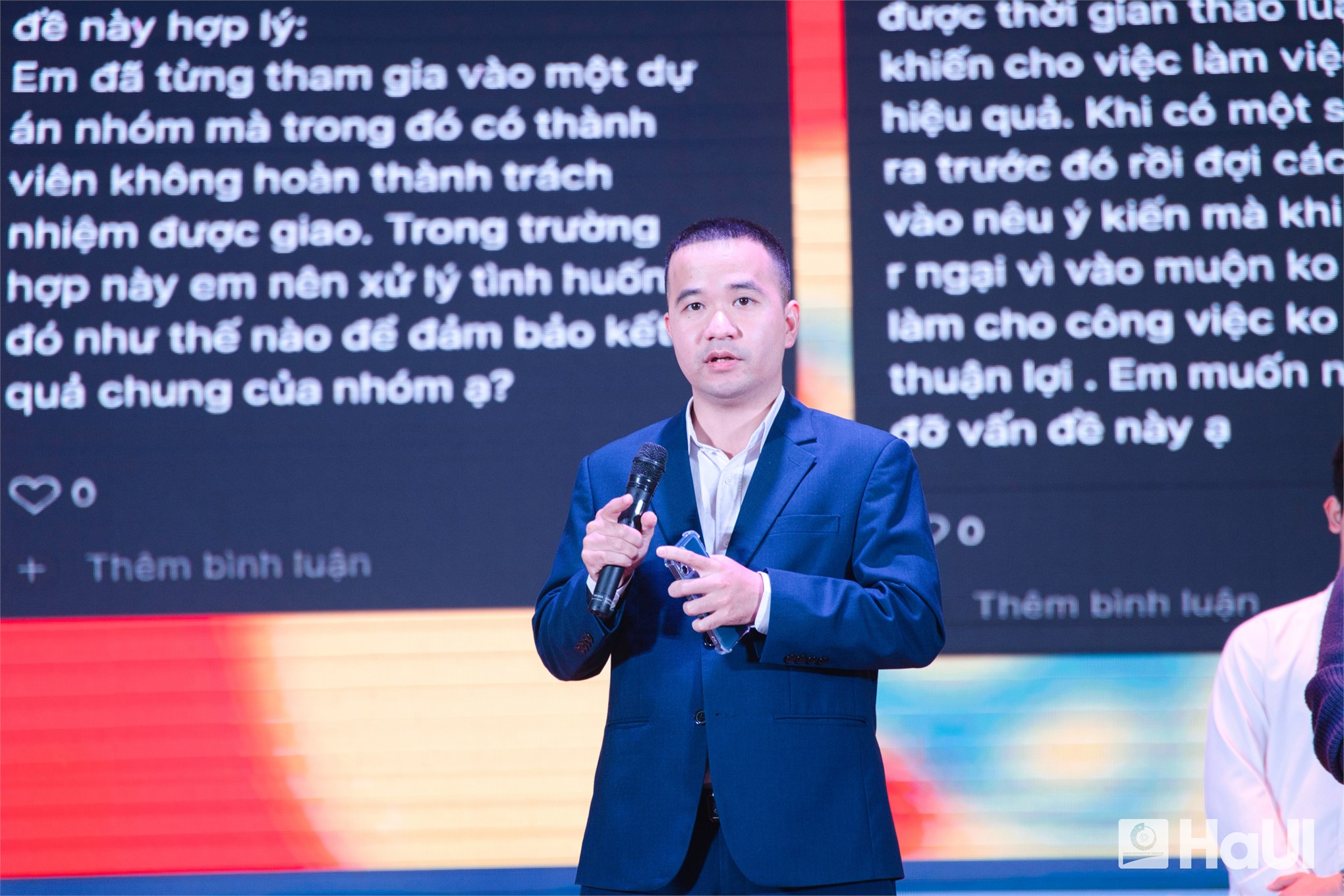
Mr. Tran Ngoc Khanh, Head of Student Affairs Department
To meet the demands of a new era, the mindset of student class leaders must move beyond traditional frameworks. In her presentation, Ms. Nguyen Thi Trang, a member of the Executive Committee of the Young Scientists Club at the Ho Chi Minh National Academy of Politics, guided students toward a deeper understanding of leadership science by examining the dialectical relationship between intelligence quotient (IQ) and emotional intelligence (EQ).
The speaker emphasized that while strong professional competence enables effective task management, exemplary leadership requires empathy and emotional awareness. It is this capacity for understanding and connection that allows leaders to bring together individual members into a cohesive and unified collective, thereby fostering sustainable and effective group dynamics.
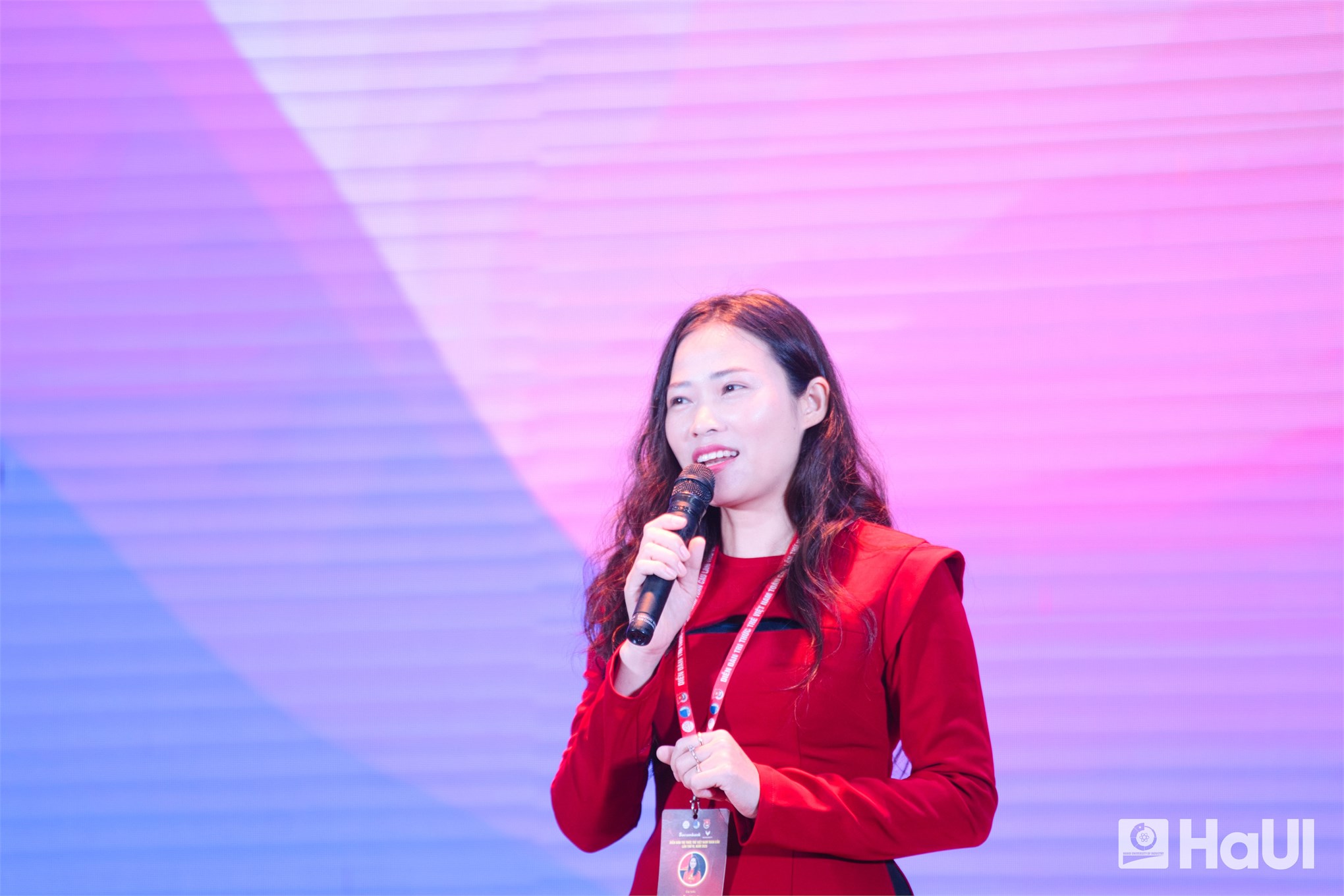
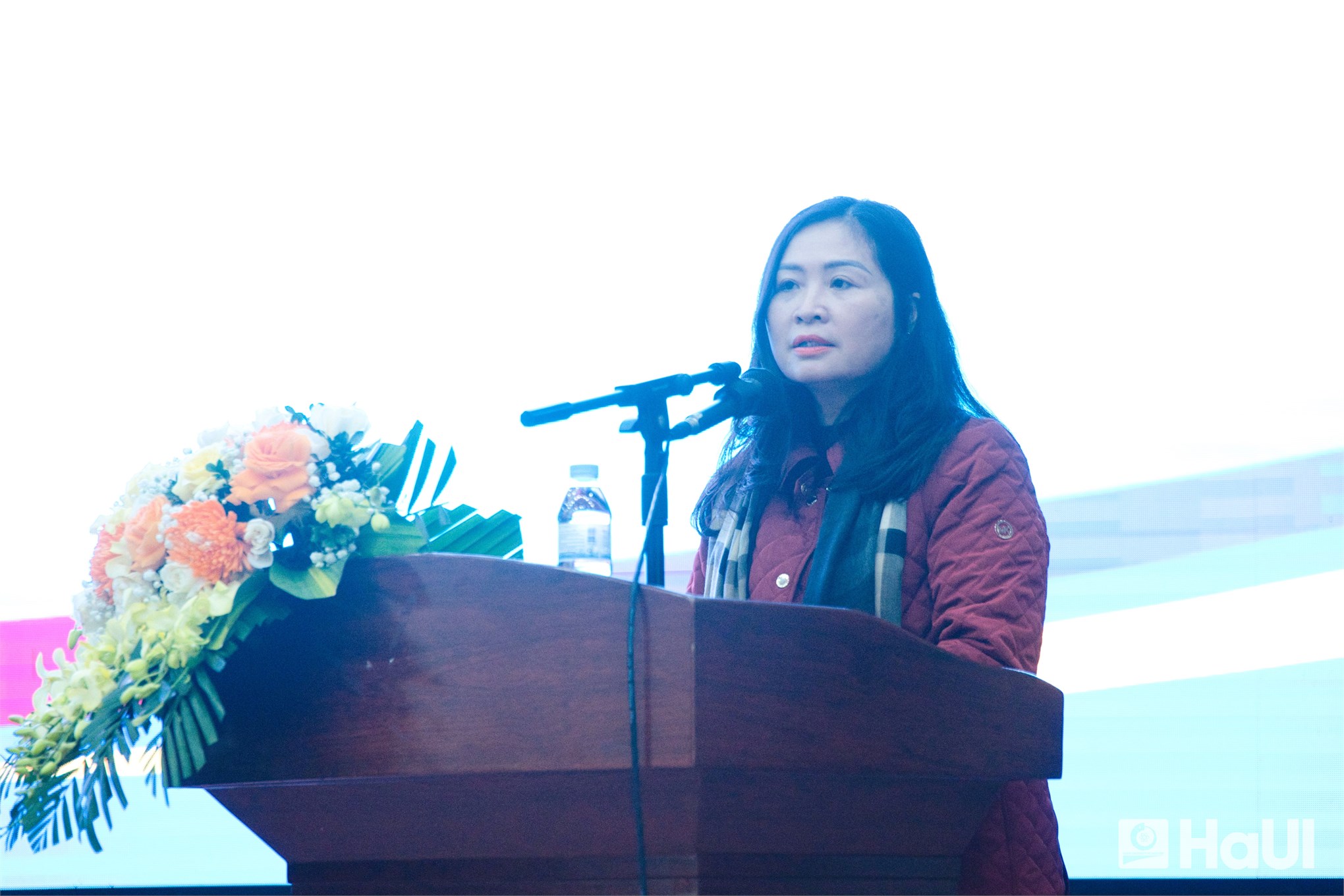
Ms. Nguyen Thi Trang, Member of the Executive Committee of the Young Scientists Club, Ho Chi Minh National Academy of Politics
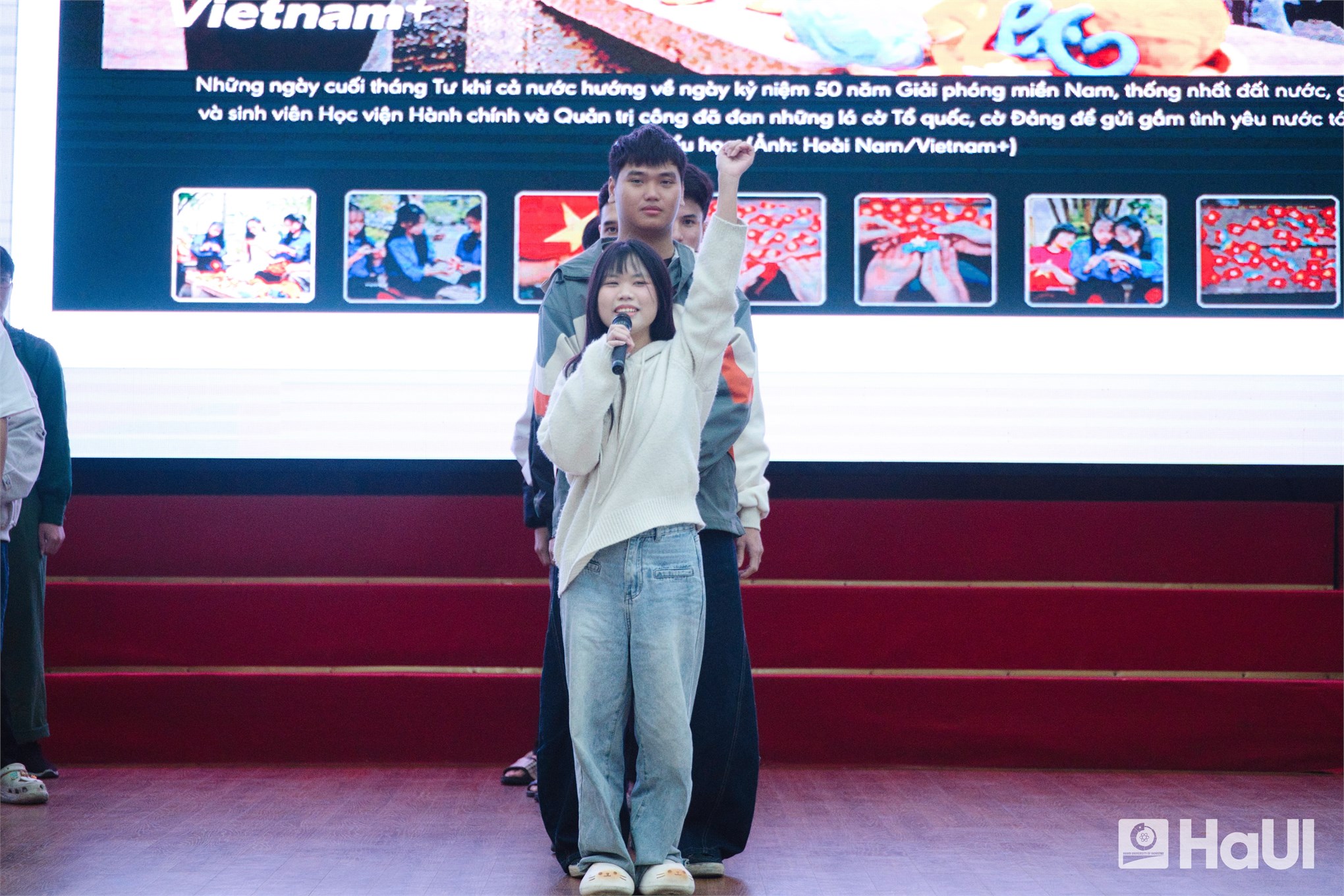
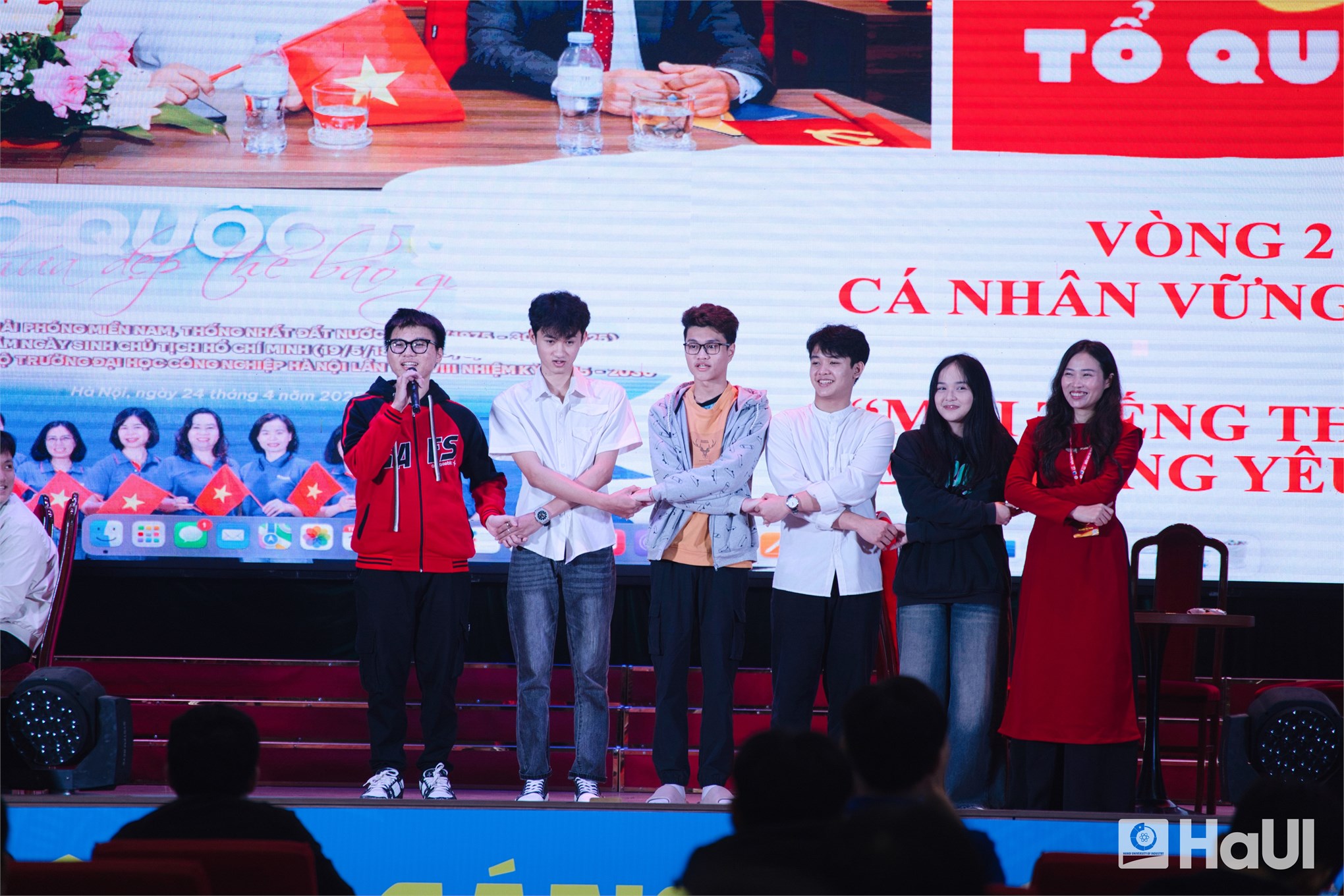
Notably, the training program creatively applied the spirit of the “Seven Dares,” a valuable ideological legacy of the late General Secretary Nguyen Phu Trong, as a guiding framework for strengthening leadership capacity. These core qualities include the courage to think independently, to speak responsibly, to act decisively, to assume accountability, to innovate, to confront challenges, and to place the common good above personal interests. They were thoughtfully integrated into scenario based learning activities aimed at developing practical leadership competence among student class leaders.
When faced with simulated situations involving conflicts between individual interests and collective responsibilities, students were encouraged to apply critical thinking and to practice articulating their viewpoints while maintaining organizational discipline. Discussions on balancing assigned duties with personal relationships, as well as on addressing behaviors that hinder collective progress, enabled participants to gain a clearer understanding of the ethical responsibilities and decision making demands of leadership positions.
At the same time, the cultural dimension of the training was carefully designed to foster national pride and historical awareness. The presentation of seminal works such as Duong Kach Menh, Prison Diary, and The Testament of President Ho Chi Minh to outstanding groups carried strong symbolic significance, reminding students of the continuity of revolutionary ideals and the responsibility to inherit and uphold those values in contemporary contexts.
Beyond traditional leadership skills, the program expanded its focus to include competencies essential in the digital era. The message “Hanoi University of Industry – Confident and Secure in the Digital Environment,” conveyed through collective activities, highlighted the role of class leaders in shaping responsible conduct in online spaces. In an environment where multidimensional information strongly influences student perceptions, class leaders are expected to demonstrate discernment in information selection and to guide their peers toward constructive and positive engagement.
Through this training program, class leaders from Cohorts 20 and 27 were equipped with a modern governance mindset alongside strong political awareness and leadership resilience. This group is expected to serve as a core driving force in strengthening student movements and contributing meaningfully to the University’s development objectives in the new phase.
-
Monday, 09:00 15/12/2025
Related news
Hot News
HaUI expands partnerships in Education, Research and Digital Transformation in China
Chủ Nhật, 09:09 02/08/2026
Related news
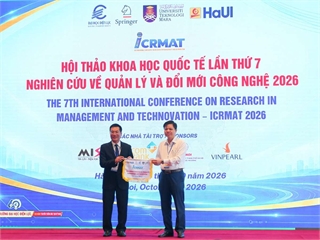
HaUI takes on hosting role for ICRMAT 2027, Expanding global research networks
Thứ Hai, 10:03 26/10/2026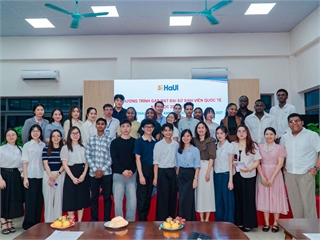
HaUI strengthens international student engagement through Ambassador program
Thứ Năm, 11:34 22/10/2026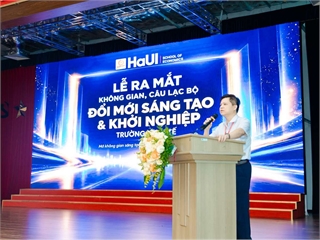
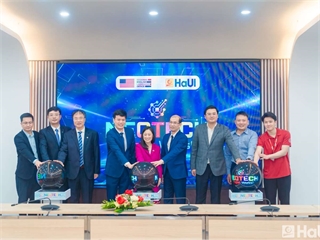
NeoTECH English Works 2026–2027 launches at HaUI, strengthening global readiness for engineering students
Thứ Ba, 07:53 06/10/2026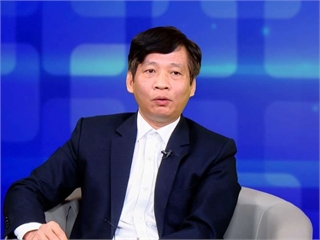
A constructive approach to scientific research at Hanoi University of Industry
Thứ Tư, 09:39 10/12/2025
Scientific Workshop " Future-ready: Bridging Education and Industry 5.0 Era"
Thứ Hai, 08:07 08/12/2025