Shaping the Future: Five new majors at Hanoi University of Industry in response to a technology-driven world
In a technology-driven economy, not all academic disciplines will hold the same relevance in the future. Competitive advantage is increasingly determined not by the capacity to manufacture products, but by the ability to develop the technologies behind them. Fields such as artificial intelligence, semiconductors, advanced materials, biotechnology, and energy are becoming the pillars of the next generation of industries.
This transformation extends far beyond individual companies, influencing entire global value chains. Nations now compete not only through resources, but through technological capability and the quality of human capital. In this context, the choice of field of study represents a strategic decision about how individuals engage with sectors that are actively shaping the future.
Hanoi University of Industry (HaUI) has responded to this challenge by introducing five new majors, each focused on disciplines that are driving the transformation of the economy and the modern technological landscape.
Biotechnology: Life Sciences with Practical Applications
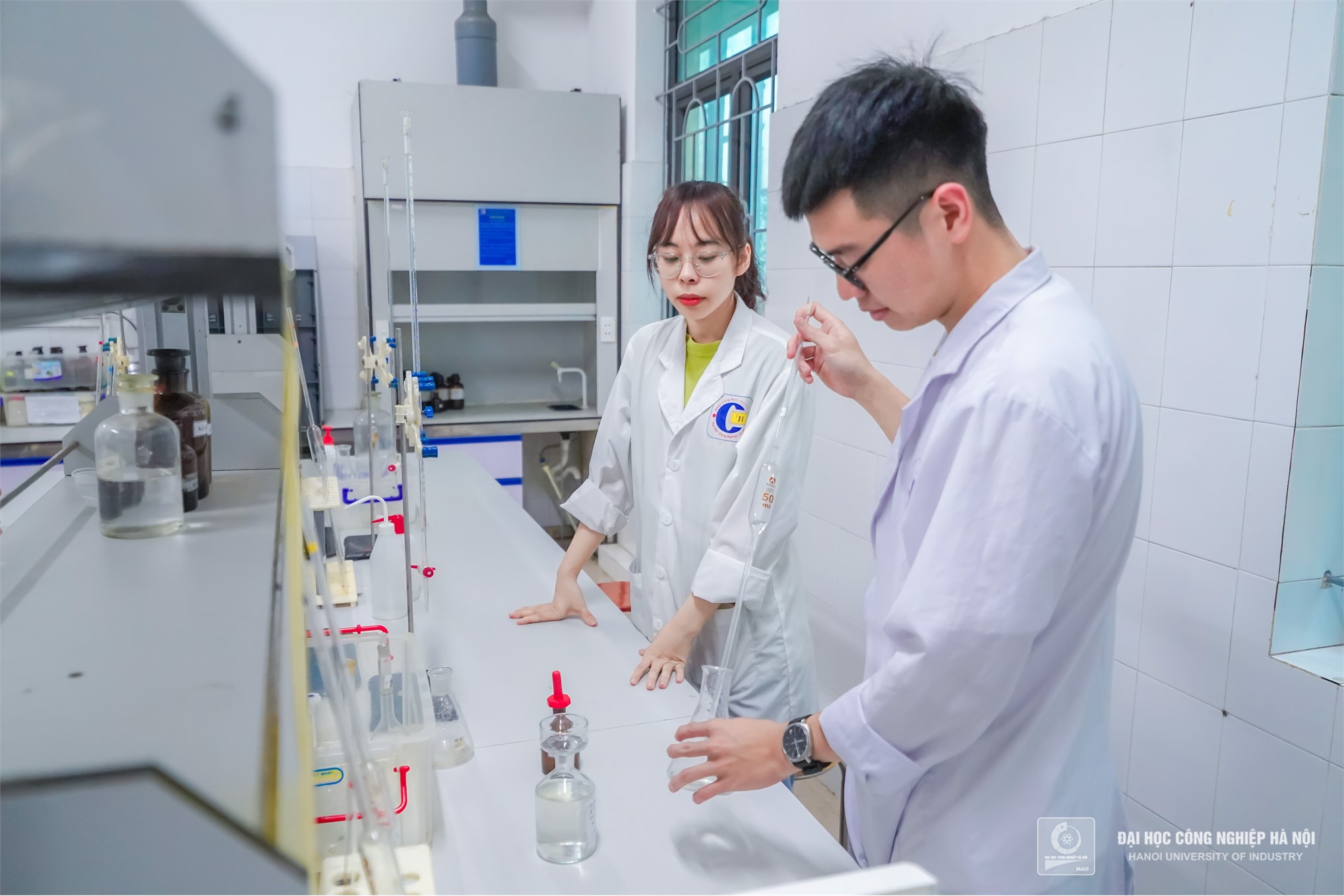
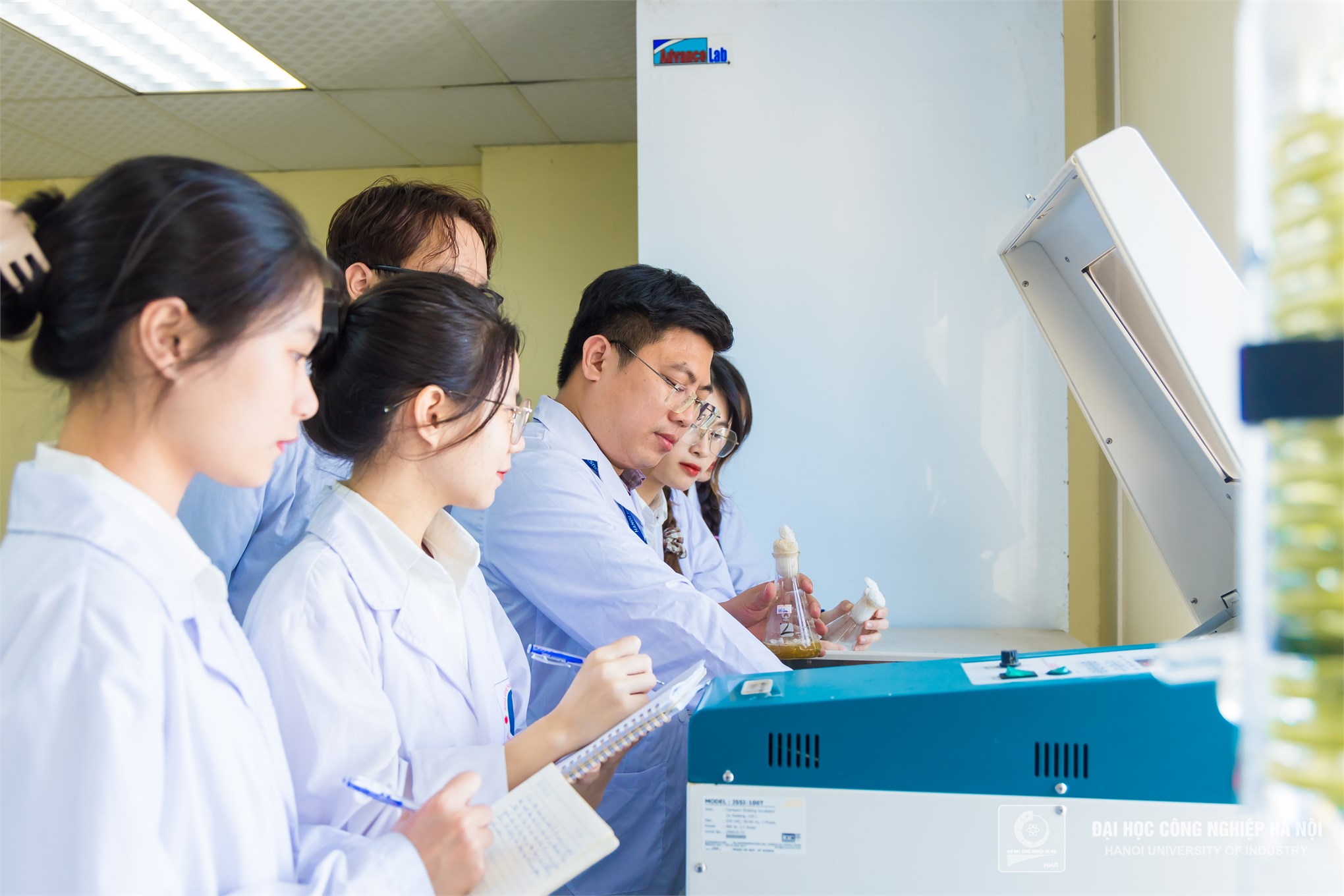
As health, food security, and environmental sustainability become increasingly interlinked, biotechnology is emerging as a vital discipline. The field applies biological principles to develop innovative products, processes, and technological solutions across sectors including pharmaceuticals, food production, agriculture, and environmental management.
HaUI’s Biotechnology program integrates life sciences with applied technology. Students gain foundational knowledge in cell and molecular biology, microbiology, and production-related biological processes, complemented by hands-on training in laboratory techniques, cultivation, analysis, and quality control. The curriculum emphasizes practical experience, enabling students to transform scientific principles into real-world solutions. Graduates are well-prepared to work in pharmaceutical companies, high-tech agriculture, food production, environmental organizations, research institutes, testing centers, and regulatory agencies. Biotechnology at HaUI represents a bridge between scientific knowledge and sustainable, practical solutions for society and industry.
Artificial Intelligence: Redefining Decision-Making in the Digital Economy
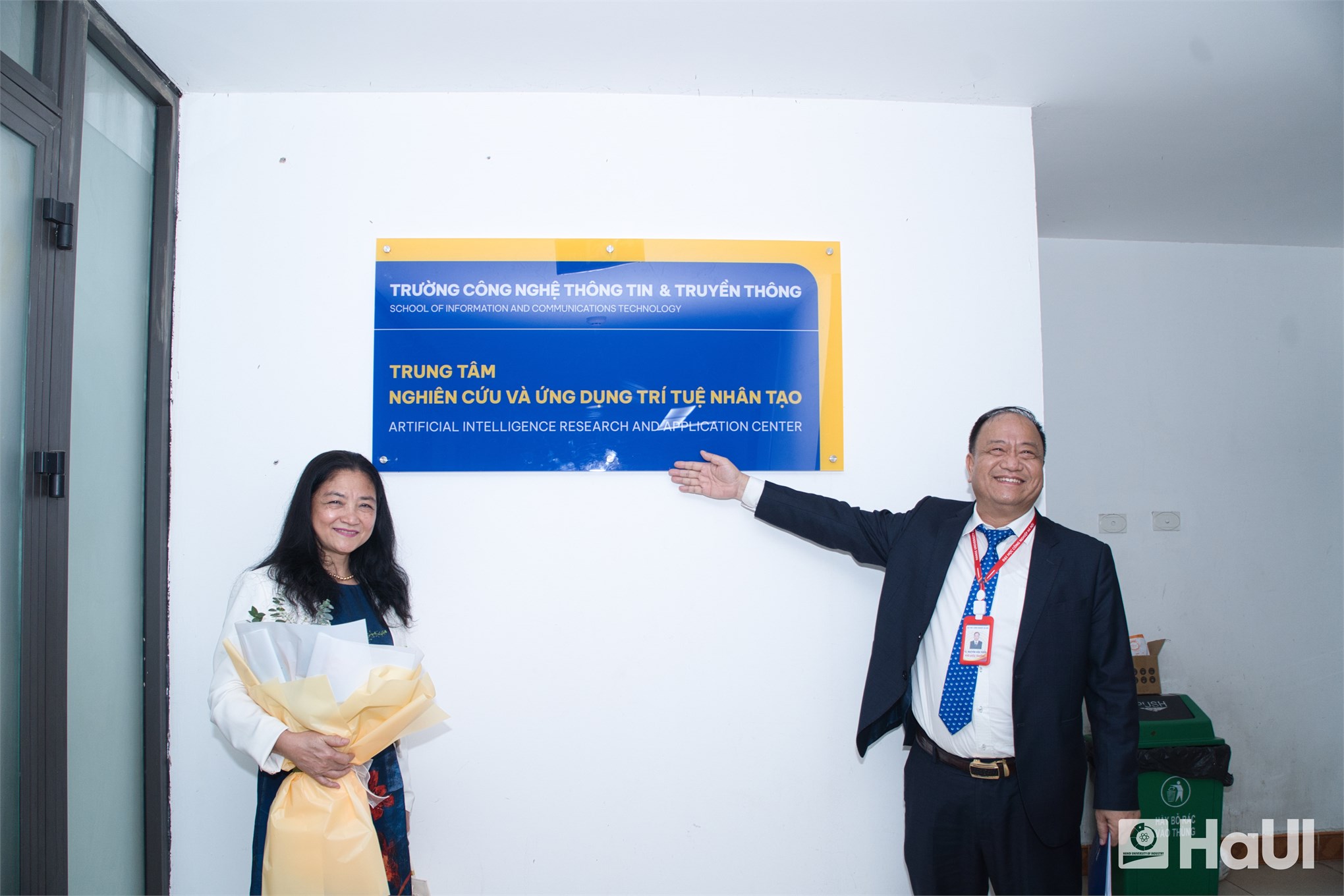
Artificial intelligence (AI) is increasingly becoming the backbone of modern economies, influencing sectors from finance and healthcare to manufacturing and e-commerce. Data is no longer merely stored; it is analyzed, predicted, and transformed into actionable decisions. AI has evolved from a specialized discipline into a foundational technology that shapes both system operations and business value creation.
HaUI’s Artificial Intelligence program equips students to understand, design, and implement AI systems in practical contexts. The curriculum covers programming, mathematics, probability, statistics, and data science, while introducing advanced techniques such as machine learning, natural language processing, and computer vision. Applied projects and data-driven challenges develop students’ technical expertise as well as their capacity to evaluate and refine AI models, while also considering the ethical, societal, and technological implications of AI. Graduates can pursue careers in AI system development, data analytics, data science, or join research and development teams in domestic and international organizations.
Semiconductor Engineering: Building Technology at the Smallest Scale
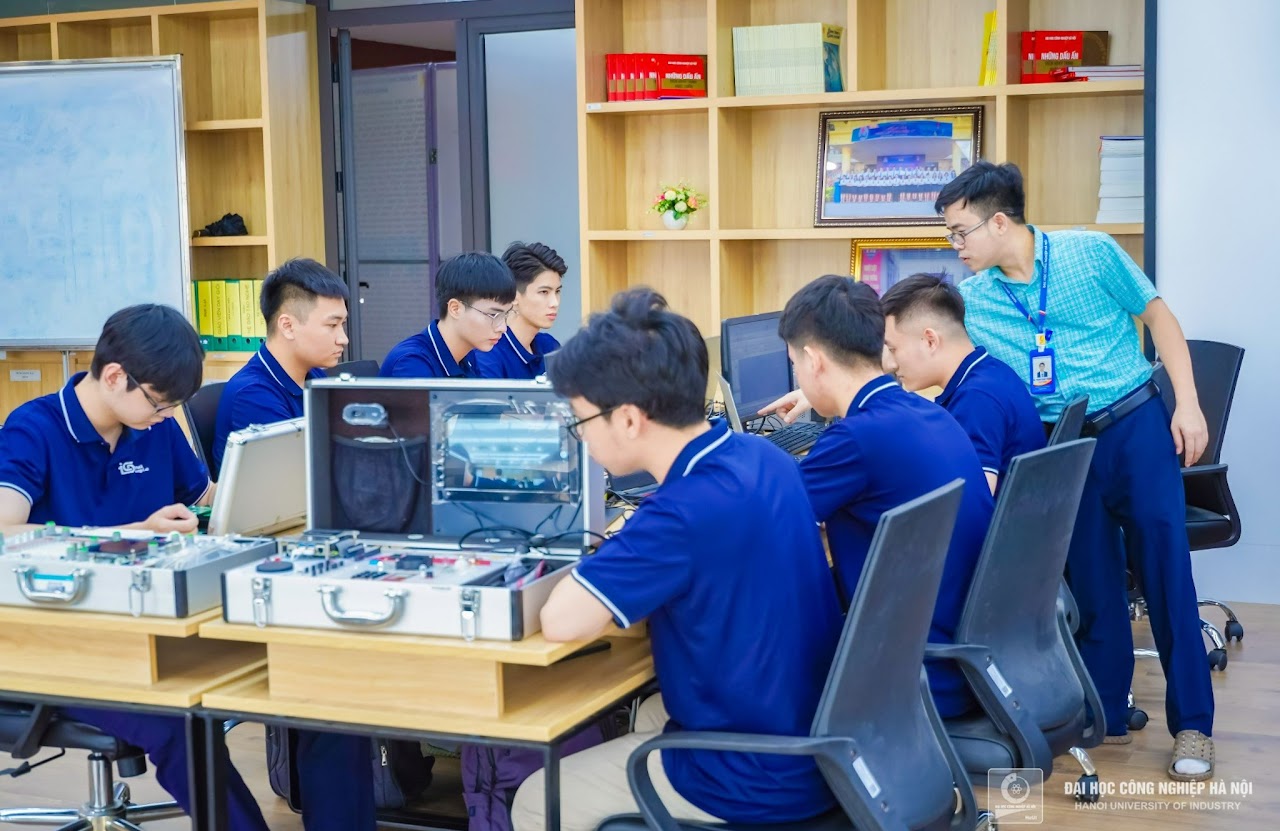
Modern technology begins with semiconductor microchips. From AI and 5G networks to electric vehicles, all systems rely on circuits designed at the microscopic level. Semiconductors are therefore not only a technical field, but also a strategic foundation for nations seeking global technological competitiveness.
HaUI’s Semiconductor Engineering program, offered through the School of Electrical and Electronics Engineering, focuses on core competencies in design, packaging, and testing. The university has been prioritized by the government for semiconductor laboratory development, providing students with access to advanced facilities for both training and research. Through project-based learning and industry collaboration, students learn how circuits function and acquire the skills to design, simulate, and validate microchips according to industrial standards. Graduates are prepared to contribute across the semiconductor value chain, from design and testing to manufacturing, benefiting from strong governmental and international investment in this sector.
Materials Technology: Defining the Limits of Innovation
Technological breakthroughs, from faster-charging batteries and more powerful microchips to biocompatible materials, are determined not by devices but by the materials themselves. Materials science therefore defines the boundaries of what technology can achieve.
HaUI’s Materials Technology program trains students to understand, design, and optimize materials for specific industrial applications. Students study material structures, properties, and fabrication processes, working with polymers, composites, nanomaterials, and biomaterials in an industrial context. Laboratory experiments, analytical techniques, and quality control methods allow students to approach materials as systems that can be engineered, measured, and improved. Graduates can work in research and development, materials design, production, quality assurance, and applications in sectors including manufacturing, chemicals, electronics, automotive, construction, and biomedical industries, as well as research institutes and regulatory bodies.
Automotive Engineering and New Energy: Vehicles as Integrated Technological Systems
Government plans aim for all road vehicles to operate on electricity and green energy by 2050, signaling a transformation of the automotive sector from traditional mechanical engineering into an integrated discipline that combines mechanics, electronics, control systems, and energy technologies.
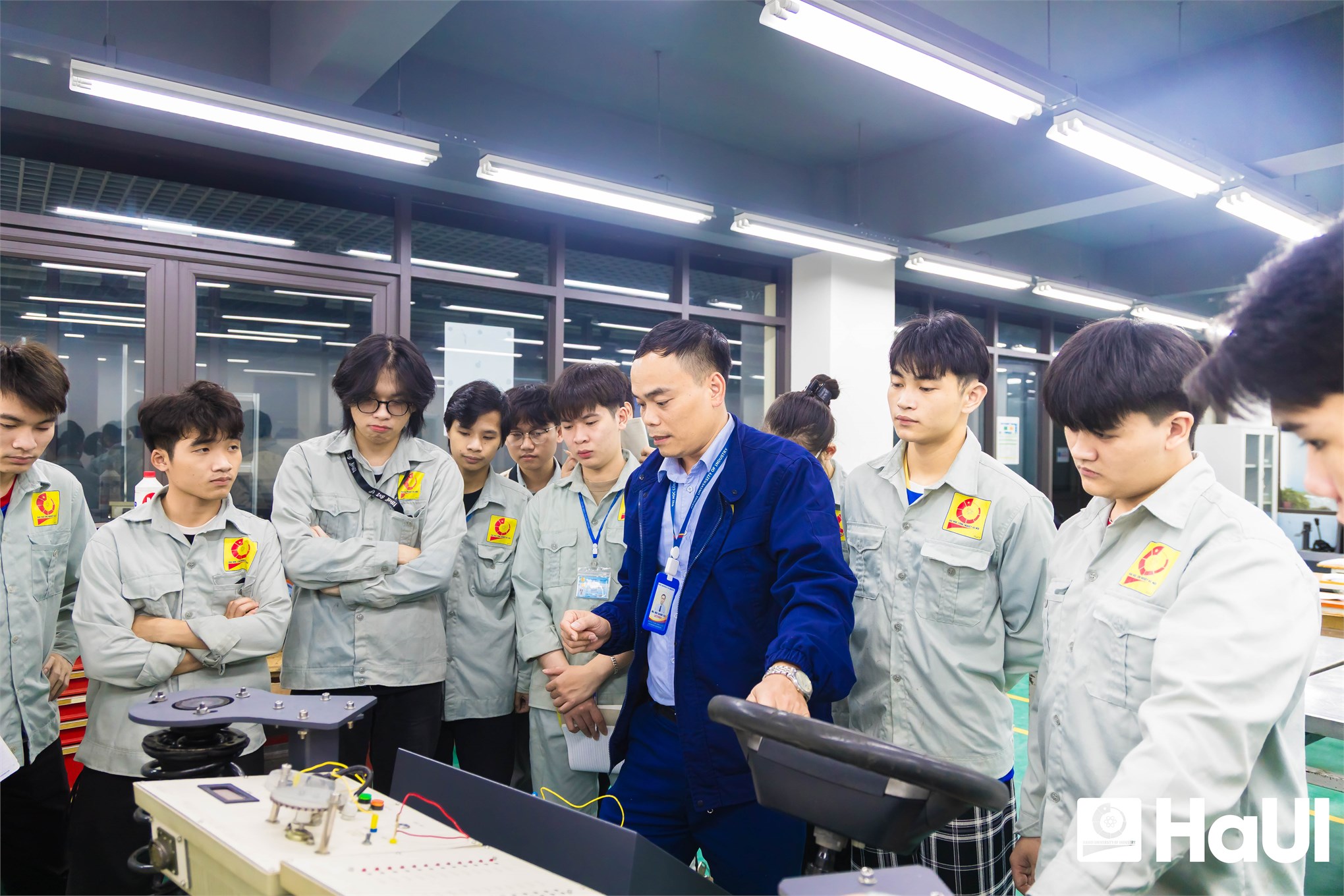
HaUI’s Automotive Engineering and New Energy program embodies this interdisciplinary vision. Students gain a comprehensive understanding of vehicle structures and operations while being introduced to electric drive systems, battery technologies, intelligent control systems, and sustainable energy solutions. The curriculum emphasizes extensive practical training in modern laboratories and workshops, allowing students to work directly with hybrid engines, battery testing systems, and diagnostic equipment. This hands-on experience equips graduates with the skills to analyze and manage complex engineering systems and prepares them for careers in design, production, operations, maintenance, and system development within the automotive and energy sectors, or to pursue further research in green and sustainable technologies.
-
Thursday, 11:41 19/03/2026
Related news
Hot News
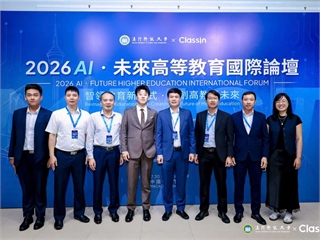
HaUI expands partnerships in Education, Research and Digital Transformation in China
Chủ Nhật, 09:09 02/08/2026

Related news
NeoTECH English Works 2026–2027 launches at HaUI, strengthening global readiness for engineering students
Thứ Ba, 07:53 06/10/2026
HaUI and Biel Crystal strengthen cooperation in training and high-tech human resource development
Thứ Sáu, 08:07 25/09/2026
HaUI and Leon Guinto Memorial College sign MoU to strengthen educational cooperation
Thứ Sáu, 10:00 18/09/2026
HaUI "Red Spring" Festival promotes blood donation and community responsibility
Thứ Ba, 08:41 17/03/2026