Digital transformation in higher education: HaUI and International University, VNU-HCM exchange experience
Reducing administrative processing time from two days to approximately three minutes and operating 28 integrated digital modules encompassing more than 600 operational processes were among the key outcomes presented at a working session between Hanoi University of Industry (HaUI) and a delegation from the International University, Vietnam National University Ho Chi Minh City (VNU-HCM), held on August 11 to exchange experience in digital transformation and university governance.
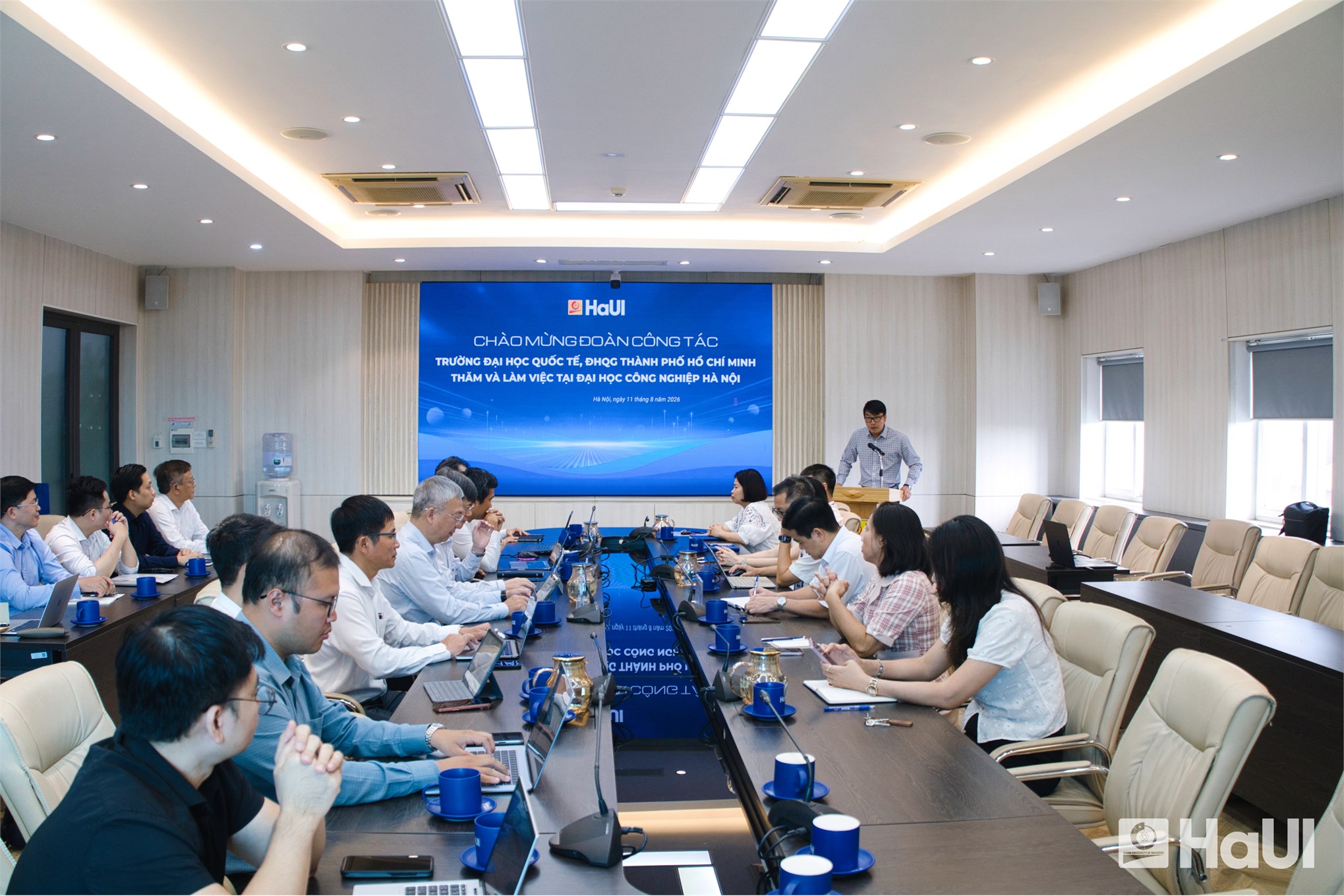
Overview of the working session
Reflecting on HaUI's 15-year process of developing and consolidating its digital ecosystem, Dr. Nguyen Van Thien, Vice President of HaUI, stated that the University's core management systems, covering academic administration, human resources, assessment, and science and technology, have been developed as an integrated and interconnected architecture and continuously enhanced in response to institutional requirements. He emphasized that digital transformation should not be understood merely as the application of information technology to existing administrative procedures. Rather, it entails organizational transformation, process re-engineering, and a fundamental shift in institutional practices. HaUI has pursued a people-centered approach while establishing digital processes across its operations. Under this model, data is entered at the point of origin and subsequently reused across relevant processes and systems, supporting interoperability, consistency, and continuity in institutional management.
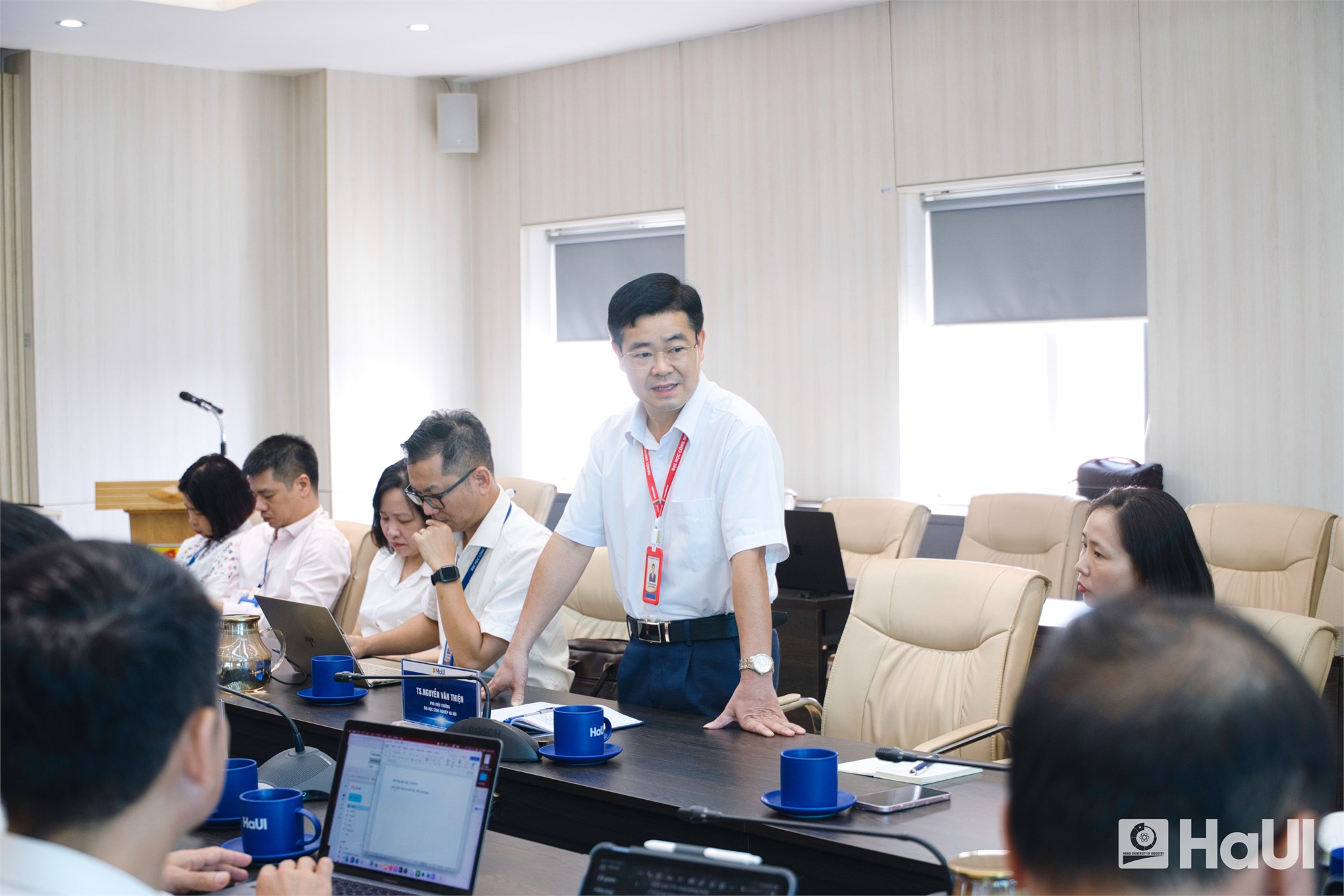
Dr. Nguyen Van Thien, Vice President of Hanoi University of Industry
The development of core technological systems has enabled HaUI to address issues arising from fragmented data and disconnected administrative processes. A range of institutional functions, including student administration, online administrative services, approval of scientific research outputs, and staff assessment, are now conducted through electronic systems. Requests submitted by students and lecturers are automatically classified and directed to the relevant units for processing. Digital signatures are integrated into the workflow, enabling documents and requests to be processed electronically throughout the relevant stages. This approach has contributed to greater consistency in administrative procedures and improved the efficiency of institutional operations.
At the meeting, Dr. Nguyen Quoc Chinh, Vice President in charge of the International University, VNU-HCM, acknowledged HaUI's experience in applying digital technologies to university administration. He noted that, in the context of ongoing reforms in higher education, strengthening institutional efficiency through appropriate digital solutions has become an important requirement for universities. The International University delegation expressed interest in studying HaUI's experience in the development and operation of digital administrative systems, particularly the approaches adopted in designing integrated processes and coordinating data across different areas of university administration.
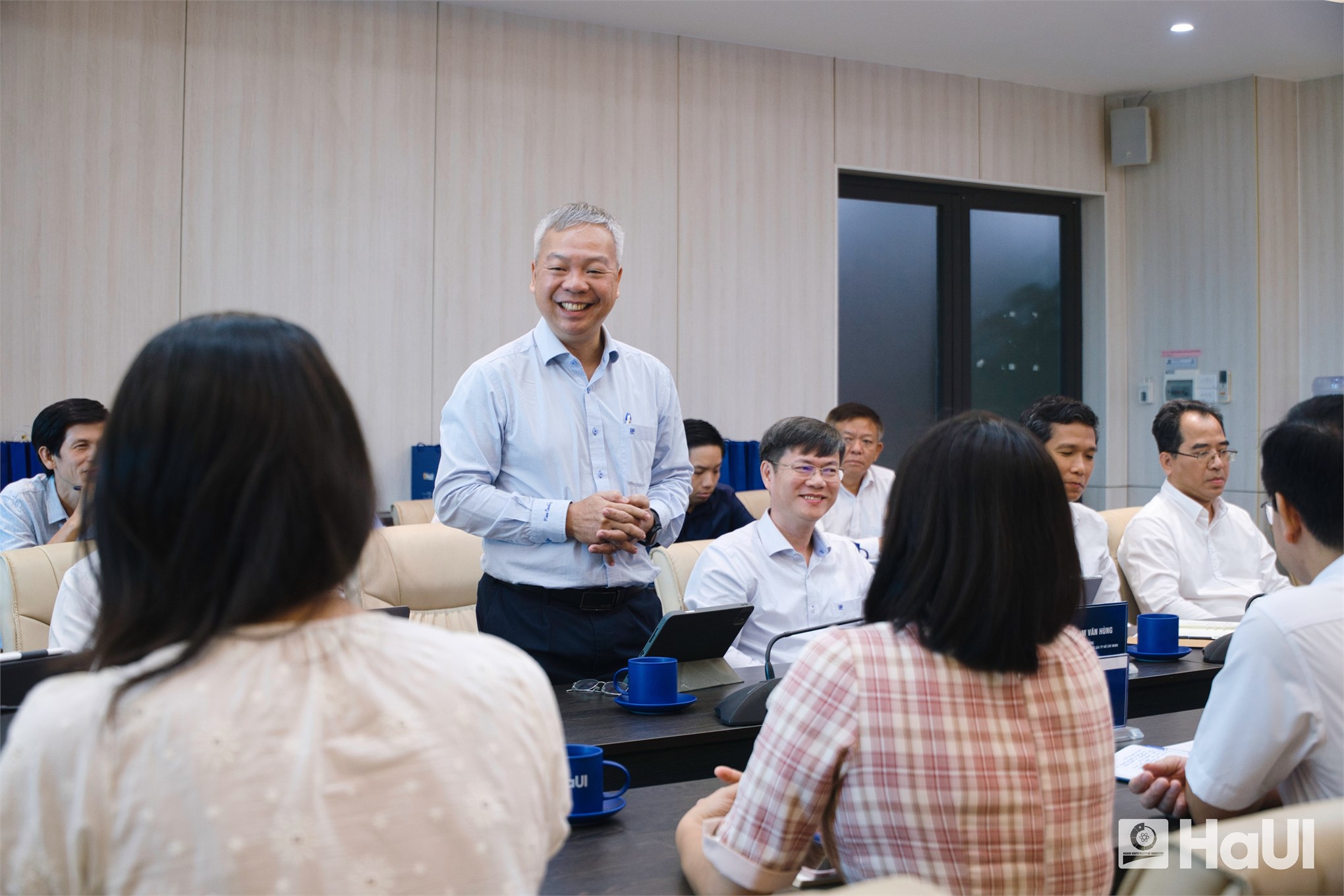
Dr. Nguyen Quoc Chinh, Vice President in charge of the International University, VNU-HCM
The delegation from the International University also proposed continued professional exchange, technical consultation, and knowledge sharing with HaUI's specialists in digital technology and university administration. The two universities agreed to maintain communication and explore opportunities for further exchange of experience and technical expertise, with a view to supporting the continued development of digital governance and administrative modernization in higher education. The exchange provided an opportunity for the two institutions to share practical experience and identify areas for further collaboration in digital transformation, contributing to the improvement of university administration and the advancement of higher education in the context of digital transformation.
-
Tuesday, 16:36 11/08/2026
Related news
Hot News
HaUI expands partnerships in Education, Research and Digital Transformation in China
Chủ Nhật, 09:09 02/08/2026

Related news
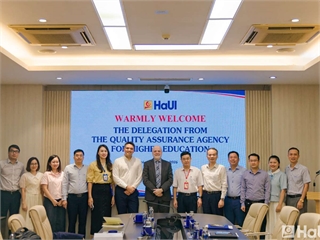
HaUI and QAA exchange expertise on international quality assurance and accreditation
Thứ Ba, 07:35 13/10/2026
HaUI expands academic partnerships in Japan at the Fourth Japan- Vietnam University Presidents’ Conference
Thứ Sáu, 18:05 09/10/2026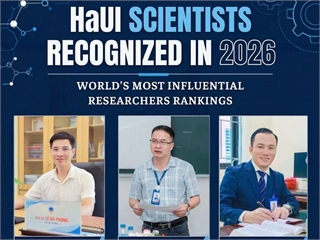
Three HaUI scientists advance in the 2026 World’s Most Influential Researchers Rankings
Thứ Sáu, 07:59 09/10/2026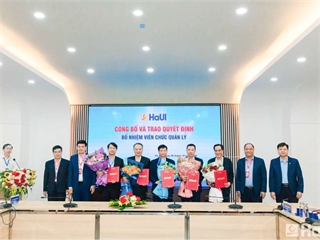
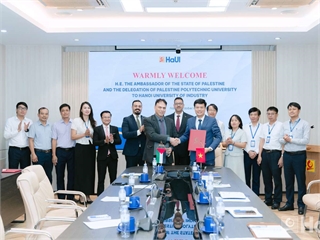
HaUI and Palestinian partners explore new avenues for education and research
Thứ Sáu, 15:55 02/10/2026
English-Taught programs at HaUI: Building global competence with scholarships of up to 100%
Thứ Hai, 10:55 10/08/2026
HaUI and Cooler Master explore new pathways for High-Tech talent development
Thứ Năm, 10:53 06/08/2026
HaUI expands partnerships in Education, Research and Digital Transformation in China
Chủ Nhật, 09:09 02/08/2026
HaUI and UFM exchange perspectives on university governance and digital transformation
Thứ Tư, 08:18 22/07/2026
HaUI strengthens educational cooperation and scholarship opportunities for Lao students
Thứ Sáu, 15:53 17/07/2026