Vietnam's Push for Semiconductor Self-Sufficiency: Training 50,000 Engineers by 2030
Vietnam has set an ambitious goal to train and supply 50,000 skilled personnel for its semiconductor industry by 2030, a strategic move aimed at cementing its position in the global supply chain. This roadmap is being brought to life through strong government commitments, significant investment in universities, and close collaboration with the private sector.
A national program for the development of human resources for the semiconductor industry through 2030, with an orientation toward 2050, has been established to comprehensively meet Vietnam's demand for both the quantity and quality of personnel across all stages of the value chain. To achieve the target of providing at least 50,000 high-quality professionals, the state budget is being prioritized to establish and upgrade semiconductor laboratories at 18 universities nationwide.
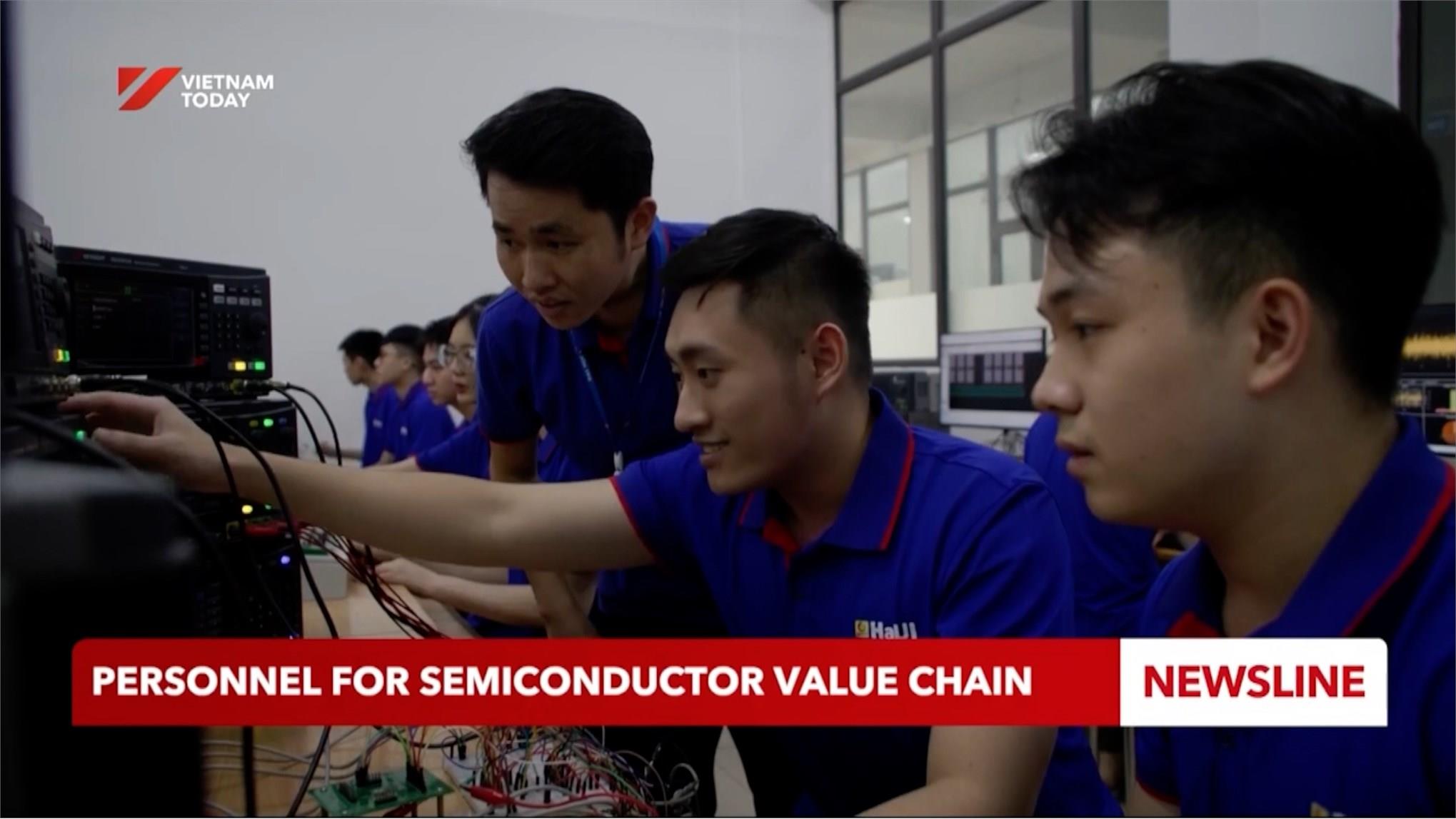
Hanoi University of Industry (HaUI) is one of the educational institutions at the forefront of this effort. The university expects to receive nearly $2 million from the government's incentive package in 2026 alone to upgrade and procure more modern equipment, similar to the $75,000 chip testing system it currently operates. This systematic investment, combined with the industry's impressive annual growth rate of 14% over the past two decades, has become a powerful motivator for more students to pursue semiconductor-related majors.
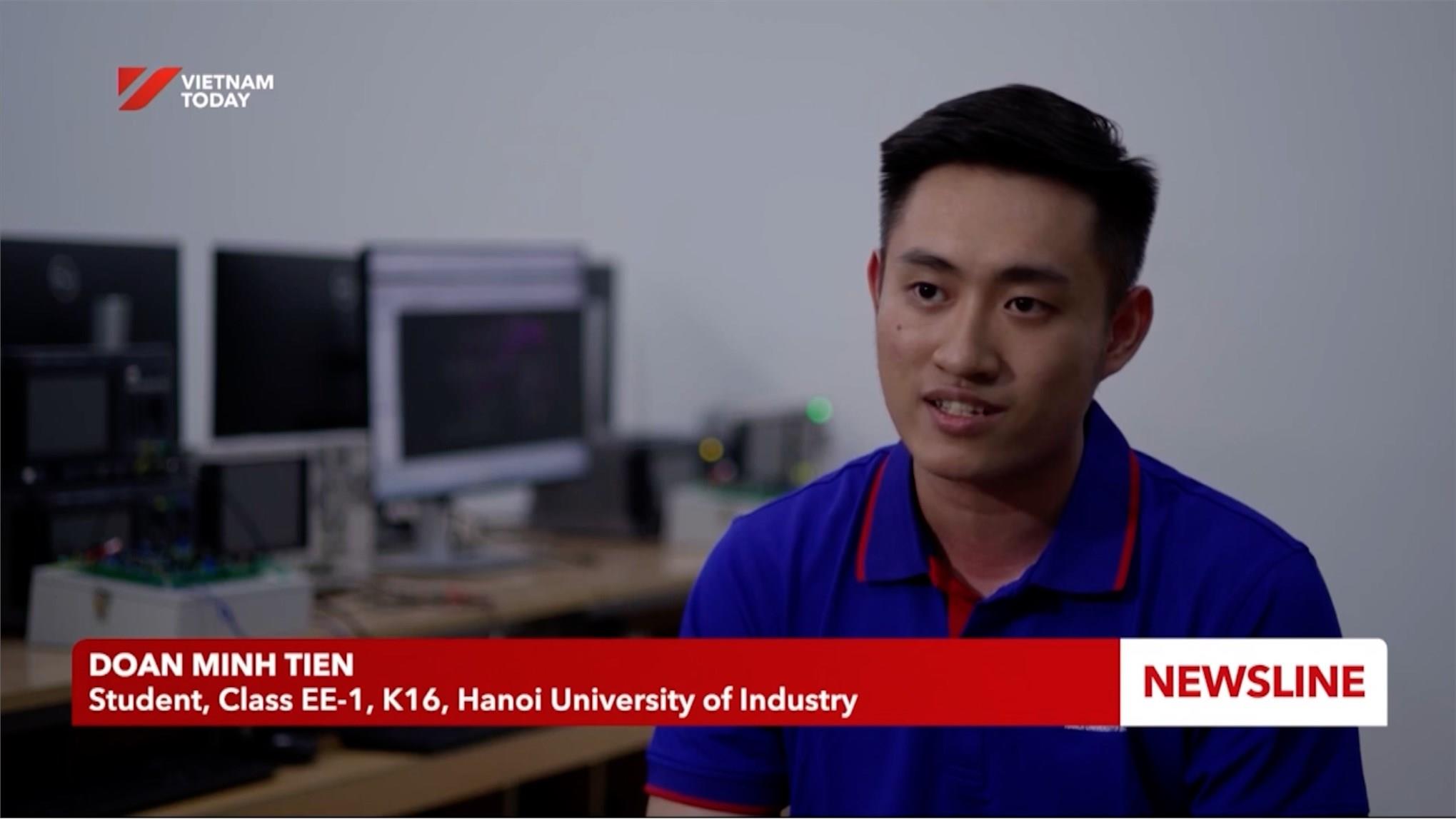
According to Doan Minh Tien, a student at HaUI, students get practical exposure from very early on. Starting from their sophomore year, they undertake small projects under the guidance of lecturers and have opportunities to interact and work with experts in the field.
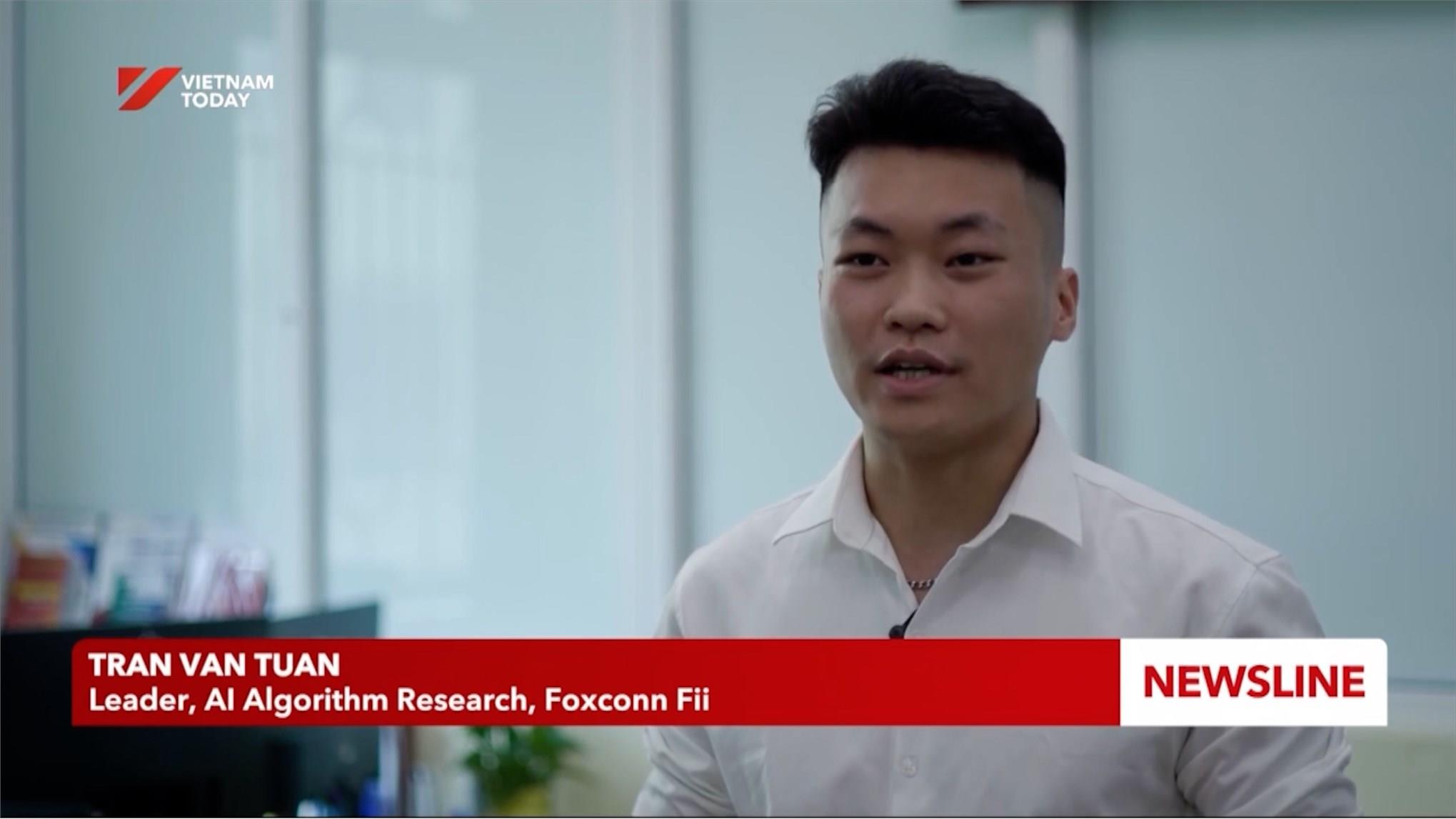
The crucial link between academia and industry is demonstrated by the long-standing partnership of over 10 years between HaUI and Foxconn Fii in training and recruiting high-quality engineers. Under this collaboration, students in semiconductor-related majors can gain hands-on experience or become interns at the company.

In an interview with Vietnam Today, Dr. Pham Xuan Thang, Chair of the Semiconductor Integrated Circuit Bachelor's Program at HaUI, analyzed the roadmap for achieving the national goal.
Dr. Thang noted that Vietnam holds significant advantages, including strong government commitment and growing human resource demands driven by the global supply chain shift, which has attracted major semiconductor companies to invest in the country. Furthermore, Vietnam boasts an extensive network of about 40 universities with semiconductor training programs, notably including Hanoi University of Science and Technology, Hanoi University of Industry, and other national technology universities.
However, Dr. Thang also pointed out considerable challenges. Training institutions currently face a shortage of expert lecturers and modern facilities. The scale of specialized semiconductor training programs remains relatively small, and there is a high risk of a "brain drain" as talented students and lecturers may seek better study and work opportunities abroad.
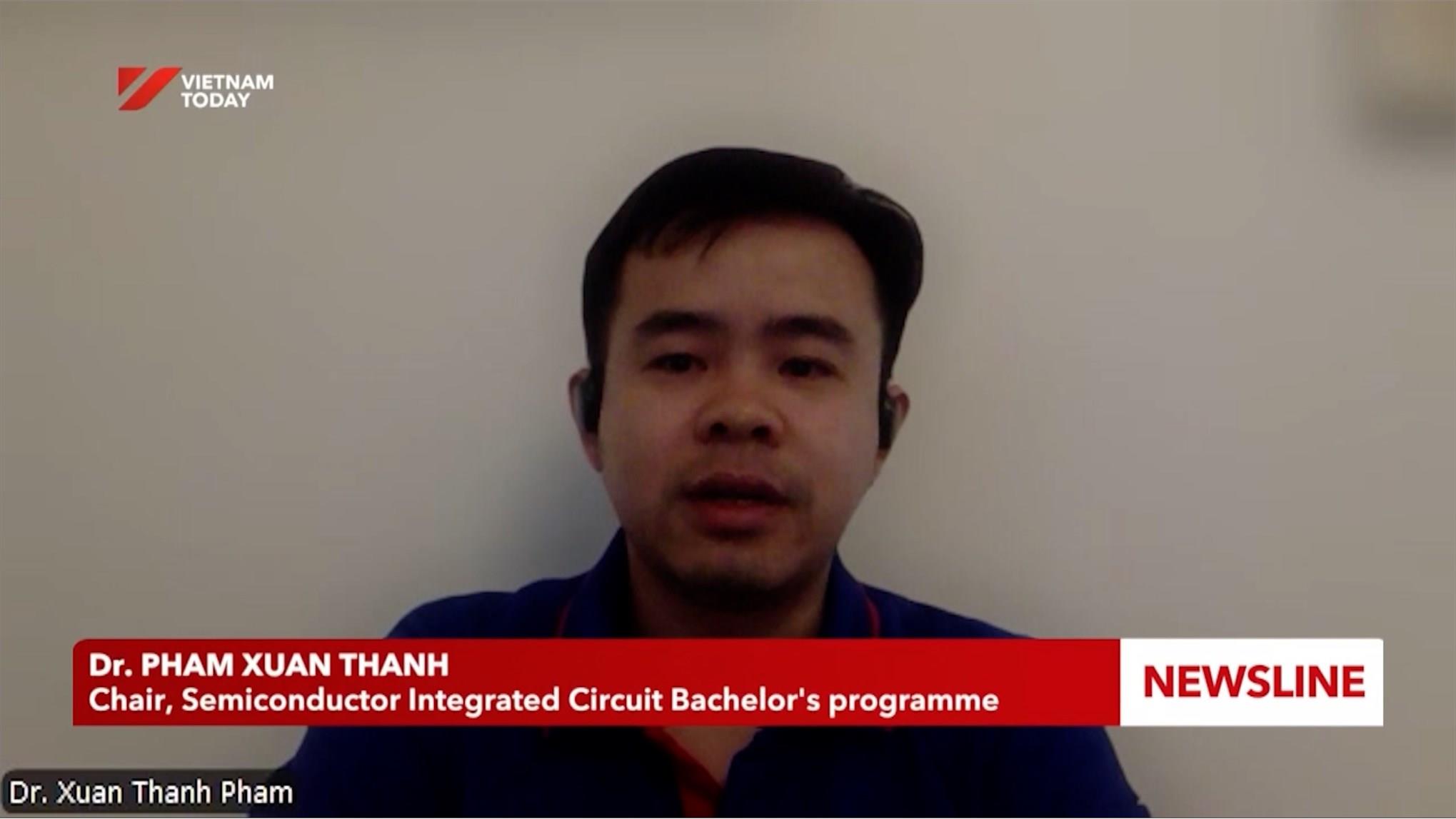
To realize the goal of 50,000 personnel, Dr. Thang proposed several integrated solutions. First, it is necessary to organize specialized training courses on semiconductor research for lecturers at companies and universities in developed countries like South Korea and Japan. Second, continued investment in modern specialized laboratories, chip design and simulation software, and high-performance computing systems is crucial. Third, creating a modern working environment is key—when universities are equipped with advanced facilities, researchers and students will be motivated to stay and contribute to the domestic industry or return to the country after studying abroad.
With these ongoing efforts, the prospect of achieving the 50,000-personnel target—and furthermore, launching a "Made-in-Vietnam" chip by 2027—appears highly promising.
-
Friday, 16:14 10/10/2025
Related news
Hot News
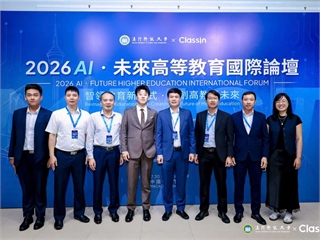
HaUI expands partnerships in Education, Research and Digital Transformation in China
Chủ Nhật, 09:09 02/08/2026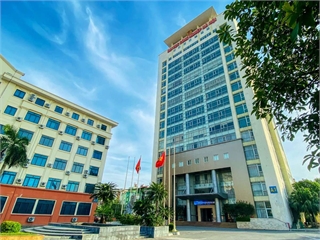

Related news
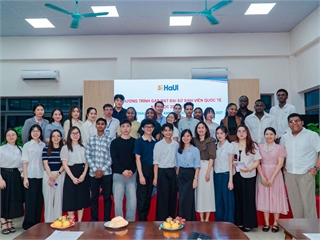
HaUI strengthens international student engagement through Ambassador program
Thứ Năm, 11:34 22/10/2026New innovation and startup hub inaugurated at HaUI’s School of Economics
Thứ Năm, 11:38 15/10/2026
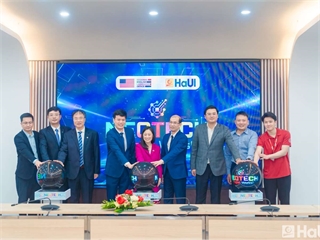
NeoTECH English Works 2026–2027 launches at HaUI, strengthening global readiness for engineering students
Thứ Ba, 07:53 06/10/2026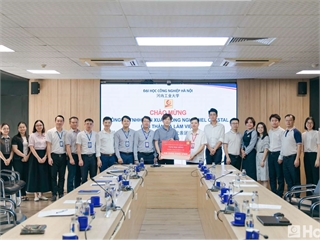
HaUI and Biel Crystal strengthen cooperation in training and high-tech human resource development
Thứ Sáu, 08:07 25/09/2026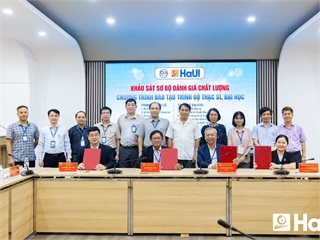
HaUI embarks on preliminary survey for accreditation of ten academic programs
Thứ Sáu, 08:34 26/09/2025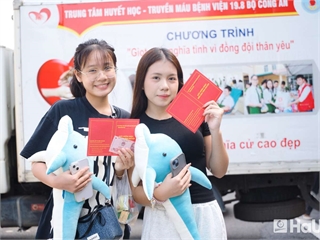
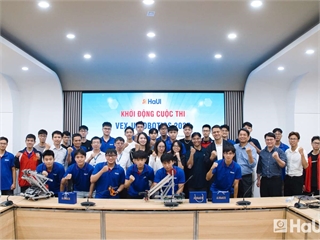
HaUI engages students with VEX-U Robotics 2025: A gateway to global robotics competitions
Thứ Hai, 10:55 22/09/2025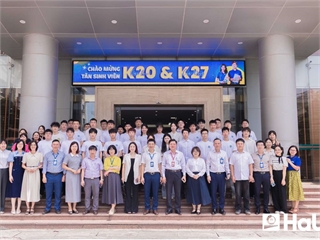
Advancing educational collaboration: HaUI welcomes GXUST Master’s and Undergraduate students
Thứ Hai, 08:05 22/09/2025
“Rainbow of Kindness 2025” at HaUI: Young generation raises awareness of a safe blood source
Thứ Tư, 15:45 17/09/2025